How Are Implant Infections Treated 7 Expert Tips?

Time:2026-10-15 Author:Amelia
0%

How are implant infections treated? The answer begins with speed, accuracy, and restraint. Infection may appear as warmth, drainage, increasing pain, fever, or a wound that refuses to close. Sometimes, the signs are quiet. That makes judgment difficult.

The American Academy of Orthopaedic Surgeons reports that periprosthetic joint infection affects roughly 1% of primary joint replacements, with higher rates after revision surgery. The 2013 Infectious Diseases Society of America guideline recommends clinical assessment, inflammatory markers, imaging when appropriate, and properly obtained cultures. Antibiotics should usually follow culture collection, unless sepsis demands immediate treatment. A rushed prescription can obscure the diagnosis.

Professor Werner Zimmerli, a leading researcher in implant-associated infection, stated, “Successful treatment requires a multidisciplinary approach.” That principle still matters. Orthopedic surgeons, infectious-disease physicians, microbiologists, radiologists, and wound-care teams may all influence the outcome.

Treatment can include surgical debridement, implant retention, component exchange, staged revision, implant removal, and targeted antimicrobial therapy. The choice depends on infection timing, organism, biofilm, implant stability, soft-tissue condition, and patient health. Early infections may sometimes respond to debridement and implant retention. Chronic infections often require a more extensive strategy.

The International Consensus Meeting on Musculoskeletal Infection emphasizes biofilm-aware diagnosis and coordinated care. Yet the evidence is not perfect. Individual cases do not always follow guidelines neatly. A stable implant can become loose. Cultures can remain negative. A patient may improve, then relapse.

This guide will examine seven expert tips, from recognizing subtle symptoms to monitoring treatment safely, without promising an effortless cure.
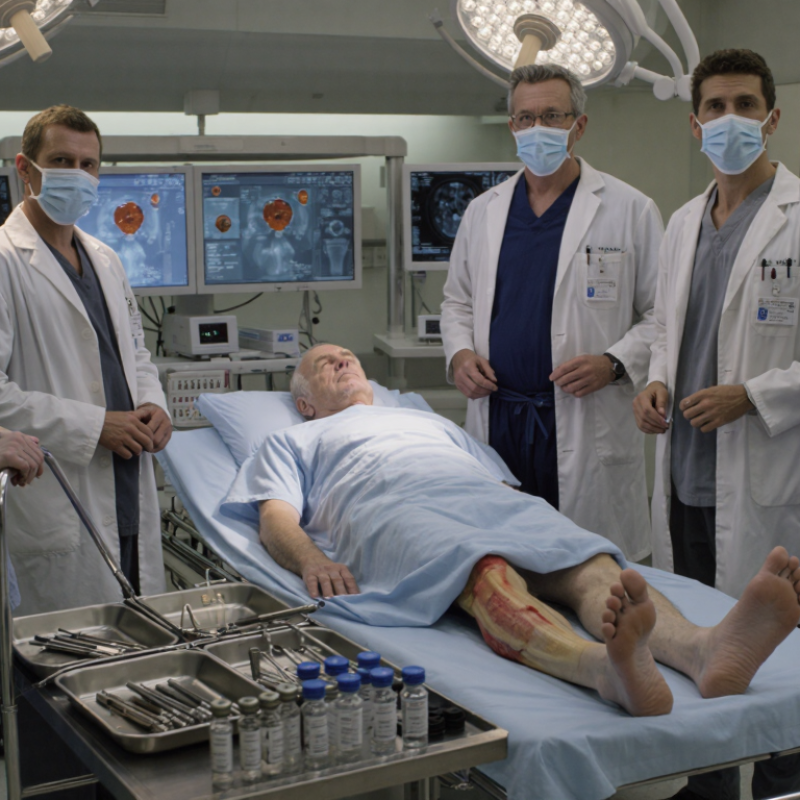
How Are Implant Infections Treated 7 Expert Tips?

Understanding the Causes and Warning Signs of Implant Infections

Implant infections can begin with bacteria introduced during surgery, wound contamination, or spread from another infection. Later, bacteria may travel through the bloodstream and settle around an implant.

Diabetes, smoking, poor circulation, and weakened immunity can increase risk. Poor wound care also matters, although infection can occur despite careful treatment.

Watch for increasing pain, redness, warmth, swelling, or tenderness around the implant. Cloudy fluid, bad-smelling drainage, wound separation, fever, chills, or unusual tiredness need prompt medical attention.

A loose joint, painful movement, or a new clicking sensation may also signal deeper problems. Do not wait for severe symptoms. Some infections develop quietly.

A clinician may examine the wound, order blood tests or imaging, and collect fluid for laboratory testing. Treatment can include targeted antibiotics, drainage, and surgical cleaning of infected tissue.

Severe or persistent infections may require temporary implant removal and later replacement. Keep the wound clean and dry, take prescribed medicines exactly, and never squeeze drainage.

Report worsening symptoms quickly, especially after a recent procedure. Avoid smoking during recovery. Control blood sugar if advised. Attend every follow-up visit.

One common mistake is assuming less pain means less danger. It does not always.

Seek urgent care for confusion, faintness, rapidly spreading redness, or breathing difficulty.

How Doctors Confirm an Infection Around an Implant

Doctors confirm an infection around an implant through several clues, not one quick test. They ask about increasing pain, warmth, swelling, drainage, fever, and reduced movement. A wound that reopens deserves careful attention. However, pain alone can mislead. Normal healing, irritation, or mechanical loosening may look similar.

During examination, the doctor checks the incision, skin temperature, tenderness, and joint stability. Blood tests may measure inflammation, including C-reactive protein and erythrocyte sedimentation rate. These results support a diagnosis but cannot prove it.

Imaging can reveal fluid, bone changes, or implant loosening. X-rays are common, while ultrasound, CT, or MRI may help in selected cases.

The most reliable confirmation often comes from fluid or tissue collected near the implant. The sample goes to a laboratory for cell analysis and bacterial culture. Doctors may collect multiple tissue samples because one result can be misleading. Recent antibiotics can reduce culture accuracy, so treatment timing matters. This decision must be guided by a qualified clinician, especially when the patient is unstable.

There is no perfect test.

Doctors interpret the full pattern: symptoms, examination findings, laboratory results, imaging, and sample cultures. A mild fever may be important in one patient but unrelated in another. Delayed infections can produce subtle symptoms, and some patients have little redness. That uncertainty is uncomfortable, but careful confirmation helps doctors choose between monitoring, antibiotics, drainage, or further surgery.

Choosing Antibiotics and Other Initial Treatment Options

Implant infections require prompt, carefully targeted treatment. The implant type, infection depth, and patient’s health guide every decision. A red, swollen wound with warmth, drainage, worsening pain, or fever needs medical assessment. Do not squeeze the area or use leftover antibiotics. That can hide symptoms and delay proper care.

Tip 1: Contact the treating surgeon or dentist quickly. Tip 2: Expect a physical examination, and sometimes imaging. Tip 3: Clinicians may collect fluid or tissue samples before choosing antibiotics. This helps identify the responsible bacteria. However, severe infections may require immediate treatment before test results return. Antibiotics should match the infection site, allergies, kidney function, and local resistance patterns. The wrong choice can fail quietly.

Tip 4: Ask whether the implant can safely remain in place. Tip 5: Surgical drainage or cleaning may be necessary. Tip 6: Some infections respond to antibiotics and close monitoring, while others need implant removal. Tip 7: Complete the prescribed course and attend follow-up visits. Treatment plans are not always perfect. New drainage, increasing pain, wound separation, or fever may signal a change. Recovery should be checked, not assumed.

How Are Implant Infections Treated? 7 Expert Tips — Choosing Antibiotics and Other Initial Treatment Options
Tip Clinical Focus Recommended Initial Approach Antibiotic Considerations Key Safety or Decision Point
1 Confirm the infection and assess severity Examine the wound, sinus tract, drainage, swelling, pain, implant stability, skin condition, and systemic symptoms. Obtain appropriate blood tests and imaging when indicated. Antibiotics should support a diagnosis and treatment plan rather than replace evaluation. A superficial irritation, sterile inflammation, or allergic reaction may require a different approach. Urgent assessment
Fever, low blood pressure, rapidly spreading redness, severe pain, confusion, or suspected deep infection requires prompt medical care.
2 Collect cultures before antibiotics when the patient is stable Obtain deep tissue, aspirate, or operative specimens when possible. Multiple properly collected deep samples are generally more useful than a superficial swab. Culture results should guide narrowing, changing, or stopping therapy. If the patient is unstable or septic, treatment should not be delayed while waiting for cultures. Avoid taking leftover antibiotics or self-starting treatment, because this can reduce culture accuracy and delay appropriate care.
3 Begin empiric therapy only when clinically indicated For a likely deep or clinically significant infection, clinicians may start empiric therapy after cultures. The regimen should reflect the implant location, likely organisms, local resistance patterns, allergies, kidney and liver function, and recent antibiotic exposure. Initial coverage may need to address common skin organisms, including staphylococci. Broader gram-negative or anaerobic coverage is considered only when the clinical setting and risk factors justify it. Reassess promptly
Empiric therapy is temporary; it should be reviewed when microbiology and clinical response become available.
4 Use targeted antibiotics and optimize the regimen Once the organism and susceptibility results are known, use the narrowest effective agent, appropriate route, and evidence-based duration for the implant type and depth of infection. Check allergies, drug interactions, kidney and liver function, blood counts, and other toxicity risks. Intravenous treatment may be needed initially, while selected stable patients may later transition to an effective oral option. Antibiotic selection and duration should be individualized by an experienced clinician, often with infectious-disease and surgical input.
5 Prioritize source control Drain abscesses, remove infected or devitalized tissue, open and manage infected wounds when necessary, and address dead space or persistent fluid collections. Antibiotics alone may fail when infected material, necrotic tissue, or a mature biofilm remains around an implant. Source control is frequently the decisive part of treatment and should not be postponed without a clear clinical reason.
6 Decide whether the implant can be retained Retention may be considered in selected early infections when the implant is stable, the surrounding tissues are suitable, symptoms are promptly addressed, and effective debridement is possible. Some organisms can persist in biofilm, so prolonged or specialized therapy may be required when an implant is retained. The exact regimen depends on culture results and implant type. Implant removal or staged revision may be necessary for chronic infection, loosening, extensive bone or tissue involvement, recurrent infection, or inadequate source control.
7 Monitor response and prevent recurrence Follow pain, drainage, wound appearance, temperature, implant function, inflammatory markers when useful, and repeat imaging or sampling if improvement is inadequate. Do not stop therapy early or extend it automatically. Treatment length varies substantially by implant type, infection depth, surgical management, organism, and response. Complete follow-up
Worsening drainage, new fever, increasing pain, wound separation, or reduced implant function warrants prompt reassessment.
Clinical note: Implant infections require individualized evaluation. The appropriate antibiotic, route, and duration cannot be selected safely from a general table alone. Dental, orthopedic, vascular, cardiac, breast, and other implanted devices may require different diagnostic and surgical strategies. This information is educational and does not replace examination by a qualified healthcare professional.

When Implant Cleaning or Removal Becomes Necessary

Implant infections are not treated by antibiotics alone. The first decision is whether the infection is superficial or deep. A surgeon may inspect the wound, review imaging, and collect tissue samples for laboratory testing. Redness, warmth, increasing pain, drainage, fever, or a loose implant need prompt medical assessment. Symptoms can be surprisingly mild.

Cleaning may be appropriate when the infection is detected early, the implant remains stable, and surrounding tissue is healthy. This procedure usually involves opening the affected area, removing infected tissue, washing the site, and prescribing antibiotics based on culture results. Drains or wound care may also be needed. Timing matters. Biofilm can form on implant surfaces, making infection harder to control. A small improvement is not always a cure.

Removal becomes more likely when the implant is loose, the infection is deep, drainage continues, or cleaning and antibiotics fail. In some cases, the implant is exchanged during the same operation. In others, it is removed temporarily while infection is treated. Replacement may wait until inflammation settles and tests look reassuring. Each case needs a tailored plan. Even experienced teams may revise treatment after cultures or surgery reveal unexpected damage. That uncertainty deserves honest discussion. Patients should ask about the infection’s depth, implant stability, culture findings, antibiotic duration, and the risks of keeping or removing the device.

How Are Implant Infections Treated? 7 Expert Tips

Implant infection management usually combines prompt assessment, microbiological testing, targeted antibiotics, surgical debridement, and close follow-up. Implant retention may be considered when the infection is identified early and the implant remains stable; implant cleaning or removal becomes more likely with persistent infection, loosening, mature biofilm, or failed debridement. The priority scores below are an educational synthesis of commonly recommended clinical actions, not patient-specific treatment advice.

Preventing Complications and Supporting Long-Term Recovery

Implant infections need prompt, coordinated care because bacteria can damage nearby tissue and weaken fixation. Pain that suddenly worsens, increasing redness, drainage, fever, or wound separation deserves medical review. Do not squeeze the wound or change antibiotics without guidance. A clinician may examine the site, order imaging, and collect fluid or tissue samples before selecting treatment.

Long-term recovery depends on more than antibiotics. The care team may recommend targeted medication, wound cleaning, drainage, or surgery to remove infected material. Keep dressings clean and dry as instructed. Wash your hands before touching the area. Take every dose on schedule, even when symptoms improve. Missing doses can encourage persistent infection. Your clinician may also review blood sugar, nutrition, smoking, and other factors that slow healing.

Rehabilitation should progress gradually. Follow movement limits, attend therapy, and report new swelling or reduced function early. Keep every follow-up appointment, including blood tests or imaging when requested. Ask how the implant is being monitored after treatment. Recovery is rarely tidy. Some days feel better, then symptoms return. That change is worth reporting, not dismissing. Families can help by checking medication times, observing the wound, and supporting safe mobility. Emergency care may be needed for confusion, severe weakness, rapidly spreading redness, or difficulty breathing.

FAQS

What can cause an infection around an implant?

Bacteria may enter during surgery, contaminate the wound, or spread through the bloodstream. Diabetes, smoking, poor circulation, and weak immunity can increase risk.

Which warning signs should I watch for?

Look for increasing pain, redness, warmth, swelling, tenderness, or cloudy drainage. Fever, chills, wound separation, unusual tiredness, or bad smells also matter.

Can an implant infection develop with mild symptoms?

Yes. Some infections stay quiet at first. Less pain does not always mean less danger.

When should I seek urgent medical care?

Seek urgent help for confusion, faintness, breathing difficulty, or rapidly spreading redness. Do not wait for severe pain.

How is an implant infection diagnosed?

A clinician may examine the wound and order blood tests or imaging. Fluid or tissue samples can identify the bacteria more accurately.

When might cleaning the implant be enough?

Cleaning may help when the infection is found early, the implant remains stable, and nearby tissue looks healthy. Treatment can include removing infected tissue, washing the area, drains, and targeted antibiotics.

When might implant removal become necessary?

Removal becomes more likely when the implant is loose, drainage continues, or infection remains deep. Sometimes replacement happens during the same operation; sometimes it must wait.

What should I do during recovery?

Keep dressings clean and dry, and wash your hands before touching the area. Take every prescribed dose on schedule, attend follow-up visits, and avoid smoking during recovery.

How can rehabilitation support healing?

Follow movement limits and attend therapy gradually. Report new swelling, reduced function, or returning symptoms, even after a better day.

What questions should I ask the care team?

Ask about infection depth, implant stability, test results, antibiotic duration, and removal risks. Plans can change after testing reveals unexpected damage. That uncertainty deserves honest discussion.

Conclusion

How are implant infections treated depends on the type of implant, the location of the infection, and how early it is identified. Common warning signs include increasing pain, redness, warmth, swelling, drainage, fever, or reduced function around the implant. Doctors typically review the patient’s symptoms and medical history, examine the area, and may use blood tests, imaging, or a sample of fluid or tissue to identify the infection and select appropriate treatment.

Initial care may involve targeted antibiotics, wound care, and close monitoring. In some cases, doctors can clean the implant area and preserve the device, while deeper or persistent infections may require a procedure to remove infected tissue or replace the implant. Recovery also depends on managing underlying health conditions, following wound-care instructions, attending follow-up visits, and completing prescribed medication. Early medical attention and careful hygiene can reduce complications and support long-term healing.

Amelia

Amelia

Amelia is a seasoned marketing professional with a wealth of expertise in our company’s core offerings. With an unwavering passion for driving growth and innovation, she plays a pivotal role in shaping our marketing strategies and enhancing brand visibility. A key aspect of her responsibilities......