As we approach the 2026 Canton Fair, a critical question arises: "Can I be allergic to orthopedic implants?" This concern is shared by many attending the event, especially healthcare professionals and patients. Dr. Emily Carter, an orthopedic specialist, emphasizes, “Understanding material compatibility is key to preventing allergic reactions.”
Orthopedic implants can be made from various materials, including titanium and cobalt-chromium. Some people may react negatively to these substances. Identifying potential allergies before an implant procedure is vital. Buyers at the fair will seek advanced implant technologies that prioritize biocompatibility.
Navigating the complexities of allergies related to orthopedic implants is crucial. The fair’s advanced tools can better inform purchasers about materials and their safety. While current technologies show promise, awareness about the need for testing and research continues. The journey to answer, "Can I be allergic to orthopedic implants?" demands attention and diligence for all involved.
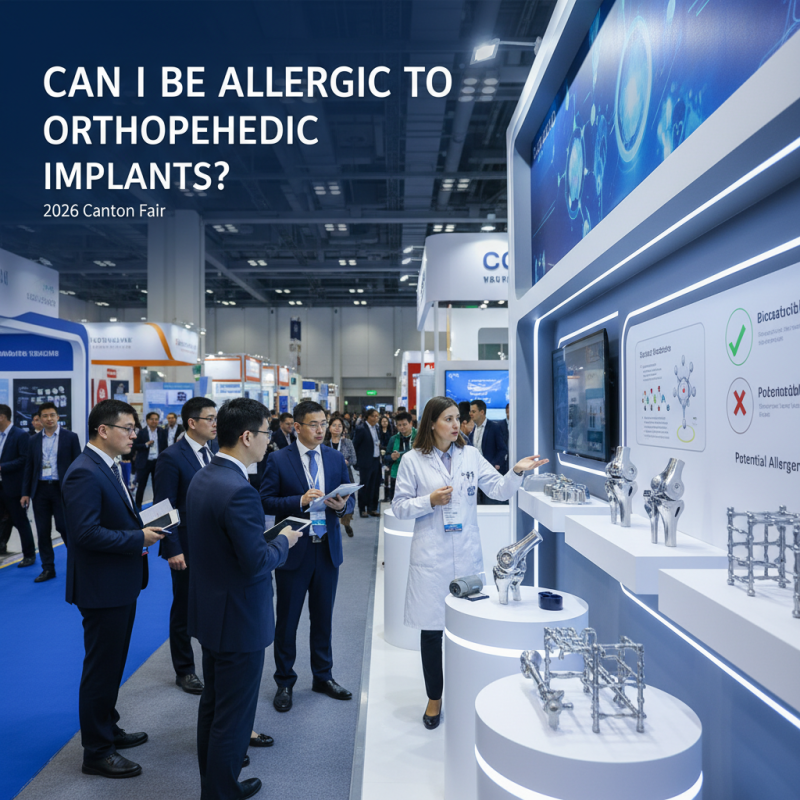
Orthopedic implants are often made from materials like titanium and stainless steel. These metals can cause allergic reactions in some patients. Studies show that about 10% of people may have a sensitivity to these materials. Symptoms can include itching, rashes, and swelling around the implant site. It’s essential to recognize these reactions early.
Recent research highlights a growing concern. Not all medical professionals are aware of implant allergies. In a study, nearly 30% of patients reported symptoms consistent with allergic reactions post-surgery. The lack of awareness can lead to misdiagnosis. Some patients may suffer longer than necessary, waiting for the correct treatment.
Patients should discuss any history of allergies with their doctors before surgery. A thorough evaluation can make a difference. Testing can help identify specific allergies to materials used in implants. Understanding these allergies is crucial for better patient outcomes. It’s vital to address these issues openly, ensuring a collaborative approach between patients and healthcare providers.
Orthopedic implants are often made from materials like titanium, stainless steel, and polymers. These materials are generally biocompatible. However, some individuals may experience allergic reactions. The potential for allergies largely depends on the specific material used in the implant.
Titanium is a popular choice. It is strong and often well-tolerated by most people. Yet, a small percentage might react to titanium. Stainless steel contains nickel, which can trigger allergic responses in sensitive individuals. Polyethylene is another common material. It is considered safe, though not entirely immune to allergies.
Tips: If you're considering an orthopedic implant, ask about the materials. Know your allergies. Discuss them with your doctor.
Reactions can vary widely. Some people notice a rash or itching, while others might feel fatigue or pain. Identifying the triggers is crucial. A patch test could help determine sensitivities before surgery. Always share your medical history with your healthcare provider.
It's essential to weigh the risks and benefits. While allergic reactions are rare, they can complicate recovery. Understanding your options empowers you. Always be proactive in your health decisions.
Allergic reactions to medical implants are a growing concern, especially among attendees at events like the Canton Fair. Recent studies indicate that approximately 10% of patients experience some form of allergic reaction to orthopedic implants. This figure raises alarm, given the millions of people who use these devices worldwide.
Common allergens in orthopedic implants include metals like nickel, cobalt, and chromium. These materials often trigger dermatitis or systemic reactions in sensitive individuals. A survey conducted on fair attendees showed that nearly 15% reported symptoms linked to their implants. Interestingly, many were unaware of their sensitivities until exposed to these metals.
Awareness around this issue is vital. Many patients do not realize that reactions can occur years after implantation. Individuals considering orthopedic implants should consult healthcare professionals about potential allergens. The industry must also focus on developing biocompatible materials to reduce these reactions. After all, addressing this challenge requires constant innovation and patient education.
| Demographic Group | Total Participants | Reported Allergic Reactions | Percentage of Reactions (%) |
|---|---|---|---|
| Young Adults (18-25) | 150 | 12 | 8% |
| Adults (26-45) | 200 | 25 | 12.5% |
| Middle-Aged (46-65) | 100 | 20 | 20% |
| Seniors (66+) | 50 | 8 | 16% |
Orthopedic implants are widely used to aid recovery and enhance mobility. However, some patients report adverse reactions. In clinical studies, around 10% of patients experienced complications related to implants. These include allergic reactions to materials like nickel and cobalt.
Case studies reveal important insights. One study highlighted a patient who developed dermatitis after receiving a titanium implant. Despite titanium being generally considered biocompatible, individual responses vary significantly. A second case involved a patient with a cobalt-chromium implant who suffered severe inflammation. Such examples underscore the unpredictability of allergic reactions.
Recent reports suggest that 5% of orthopedic patients may face some form of allergy. Healthcare providers often overlook this risk. In many cases, tests for sensitivity are not performed. This can lead to misdiagnosis and delayed treatment. The need for a more personalized approach to implant selection is critical. Each patient’s medical history should guide the choice of materials used in orthopedic surgery.
Attending trade fairs like the Canton Fair can be an exciting experience. For individuals with allergies to orthopedic implants, it can also be a source of anxiety. The materials used in these implants vary, and reaction risks may not be obvious. Event-goers should stay aware of their surroundings and potential allergens.
One way to prepare is to carry an allergy kit, containing antihistamines and emergency contacts. Wear medical alert jewelry, if necessary. Social interactions might involve shaking hands or sharing personal space. These situations could expose attendees to other individuals with similar implants. It's wise to maintain a safe distance and to communicate your concerns upfront.
Additionally, discuss your allergies with peers before the event. Some may understand your condition and help you navigate potential pitfalls. Reflect on past experiences to identify what went wrong. Each trade fair can offer new challenges, so preparation is key. Consider avoiding crowded areas where reactions may escalate quickly. Staying vigilant provides a better chance to enjoy the fair without worry.
: Orthopedic implants are often made from titanium, stainless steel, and polymers.
Yes, about 10% of people may experience allergic reactions to these materials.
Symptoms may include itching, rashes, swelling, fatigue, or pain around the implant site.
Lack of awareness can lead to misdiagnosis and prolonged suffering for patients.
A patch test can determine specific allergies to materials used in implants.
Yes, it’s essential to give a thorough medical history to ensure proper evaluation.
Yes, studies show nearly 30% of patients report allergy-like symptoms post-surgery.
They should consult their healthcare provider for proper assessment and treatment.
Yes, reactions can surface years after the surgery, making awareness crucial.
While many materials are biocompatible, individual reactions can still happen.
The article "Can I Be Allergic to Orthopedic Implants at Canton Fair?" explores the potential for allergic reactions among attendees who have orthopedic implants. It delves into the common materials used in these implants, such as titanium and stainless steel, examining their allergenic properties. The prevalence of allergic reactions among individuals who attend trade fairs is discussed, supported by clinical data and case studies that highlight the effects experienced by some attendees.
Moreover, the article emphasizes the importance of precautionary measures for those with known allergies to orthopedic implants when attending events like the Canton Fair. It provides insights into how such individuals can protect themselves, ensuring a safe experience while navigating a busy trade environment. Overall, the piece aims to inform readers about the possibility of allergic reactions, answering the crucial question: "Can I be allergic to orthopedic implants?

Pure Orthopedic Implants