Best Tips for How Long Does Recovery Take After Orthopedic Surgery?

Time:2026-05-09 Author:Sienna
0%

Recovery after orthopedic surgery raises a common query: "How long does recovery take after orthopedic surgery?" This question is crucial for patients seeking clarity on their healing journey. Understanding recovery timelines can help manage expectations and prepare for post-surgery life.

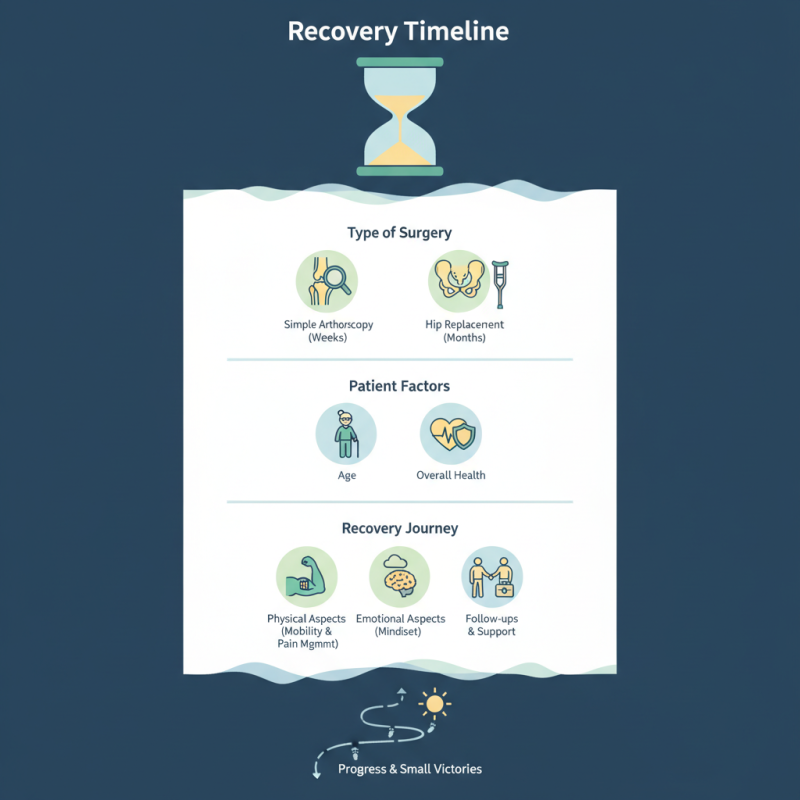
Typically, recovery duration varies based on several factors. These include the type of surgery performed, the patient's age, and overall health. For instance, a simple arthroscopy may require weeks, while a hip replacement might necessitate months of rehabilitation. Each case is unique, and individual experiences may deviate from the norm.

Recovery is not just about time; it involves physical and emotional aspects. Patients often face setbacks. Managing pain and regaining mobility can be challenging. Regular follow-ups with healthcare providers can provide essential support and guidance. It's vital for patients to be proactive and voice any concerns during recovery. Reflecting on one's progress, even small victories, can foster a positive mindset.
Best Tips for How Long Does Recovery Take After Orthopedic Surgery?

Understanding Orthopedic Surgery Recovery Timeline

Recovering from orthopedic surgery can be a nuanced journey. Understanding the timeline helps set realistic expectations. Generally, recovery can take weeks to months, varying by procedure. For instance, knee replacements often see significant improvement within three to six months. However, full recovery might stretch to a year. A comprehensive report by the American Academy of Orthopaedic Surgeons indicates that patients can take anywhere from 4 to 12 weeks to return to daily activities.

Listening to your body is crucial during recovery. A common tip is to engage in physical therapy early on. Physical therapists assess your specific needs. They help you regain strength and range of motion while mitigating pain. Regular check-ins with your healthcare team can prevent setbacks. Moreover, don’t rush the process. A rushed recovery could lead to complications, requiring additional treatments or therapies.

Nutrition also plays a pivotal role in healing. Consuming a balanced diet rich in protein, vitamins, and minerals supports tissue repair. Supplements like vitamin D and calcium can promote bone health, crucial after surgery. Pay attention to hydration as well; it aids in the healing process. While recovery can be challenging, maintaining a positive outlook and staying proactive can make a significant difference.

Factors Influencing Recovery Duration After Orthopedic Surgery

Recovery duration after orthopedic surgery varies greatly. Factors like age, overall health, and the specific procedure play crucial roles. Research shows that older patients may experience longer recovery times. A study by the Journal of Bone and Joint Surgery reported that patients over 65 take, on average, 20% longer to recover than younger adults.

Another significant factor is the type of surgery performed. Major surgeries, such as joint replacements, typically require 6 to 12 months for full recovery. In contrast, minimally invasive procedures might only need a few weeks. A report from the American Academy of Orthopaedic Surgeons noted that rehabilitation needs also impact recovery. Patients who follow post-operative rehabilitation programs are likely to recover faster.

Moreover, pre-existing conditions can complicate recovery. Conditions like diabetes or obesity can lead to delays in healing. Mental health also plays a part; stress and anxiety can hinder physical rehabilitation. An article in the Journal of Orthopedic Trauma discussed how psychological support can improve outcomes. It highlighted that addressing emotional well-being is crucial for recovery. Understanding these factors helps patients manage expectations and plan for their recovery journey effectively.

Typical Stages of Recovery: What to Expect After Surgery

Recovery after orthopedic surgery can vary significantly. The typical stages of recovery often unfold over weeks or months. Initially, there is the acute phase, which usually lasts a few days. This stage focuses on pain management and healing. Patients may experience swelling and bruising. Ice packs and elevation are crucial in this phase.

As recovery progresses, patients enter the rehabilitation stage. This can take several weeks. Physical therapy becomes essential during this time. Strengthening exercises help restore mobility and function. Patients might feel frustrated by slow progress. It’s common to have ups and downs. Setting realistic goals can help manage expectations.

The final stage is the recovery phase, lasting up to six months or longer. Patients gradually return to their normal activities. However, some may find it challenging. Joint stiffness and discomfort can linger. Regular follow-ups with healthcare providers ensure proper recovery. Listening to the body is key during this time. Each recovery journey is unique, filled with lessons and reflections on patience and perseverance.

Best Tips for How Long Does Recovery Take After Orthopedic Surgery?

Recovery Stage Typical Duration Activities Allowed Pain Level
Immediate Post-Op 1-2 days Rest, Ice Application High
Early Recovery 2-6 weeks Physical Therapy, Gradual Activity Moderate
Intermediate Recovery 6-12 weeks Increased Activities, Resuming Work Low to Moderate
Full Recovery 3-6 months Return to Sports, Full Activity Minimal

Rehabilitation Practices to Enhance Recovery After Orthopedic Surgery

Recovering from orthopedic surgery can be a challenging journey. Implementing effective rehabilitation practices is crucial to enhance healing. Physical therapy often begins before surgery. Understanding movement limitations informs post-surgery recovery as well. Engaging in prehabilitation prepares the body for upcoming changes. This proactive approach facilitates better outcomes.

Once surgery is complete, targeted exercises can significantly impact recovery times. Regular physical therapy sessions improve strength and mobility. Patients should adhere to their personalized exercise plans. Gradually increasing activity levels boosts confidence and accelerates healing. Incorporating low-impact exercises can be beneficial, but it's essential to listen to your body. Pain management should also be a priority, allowing rest when needed.

Nutrition plays a pivotal role in recovery. Consuming a balanced diet rich in vitamins and minerals supports tissue repair. Hydration is equally important; it aids in joint lubrication. Some patients may experience setbacks. Emotional health matters, too. Staying connected with a support system can aid motivation and positivity during challenging times. Remember to be gentle with yourself in this process.

Signs of Complications During Recovery from Orthopedic Surgery

Recovery after orthopedic surgery is a critical phase that demands careful attention. Complications can arise, potentially extending the recovery timeline. Research indicates that about 10-30% of patients experience complications after surgery. Understanding these signs is essential for timely intervention.

Common signs of complications include increased swelling, persistent pain, and unusual redness near the surgical site. These symptoms may indicate infection or inadequate healing. According to the American Academy of Orthopaedic Surgeons, post-operative infections occur in about 1-2% of cases. In some patients, fever and chills may arise, signaling a need for immediate medical evaluation.

Additionally, patients should monitor their range of motion and functional abilities. A noticeable decline in mobility can suggest deeper issues, such as blood clots or joint stiffness. Proper education about these warning signs can lead to quicker responses. However, many patients often underestimate their symptoms, chalking them up to normal discomfort. This could delay recovery and lead to significant challenges later on.

Recovery Time After Orthopedic Surgery

This bar chart illustrates the average recovery time for different types of orthopedic surgeries, along with potential signs of complications during recovery. Understanding these timelines can help patients prepare for their healing process.

FAQS

: What factors influence recovery duration after orthopedic surgery?

: Recovery duration varies due to age, health, and the specific procedure performed.

How does age affect recovery time?

Older patients, particularly those over 65, may take 20% longer to recover than younger adults.

What is the recovery time for major surgeries?

Major surgeries, like joint replacements, generally require 6 to 12 months for full recovery.

How can rehabilitation impact recovery speed?

Following post-operative rehabilitation programs can help patients recover faster.

What role do pre-existing conditions play in recovery?

Conditions like diabetes or obesity can complicate and delay the healing process.

How does mental health affect recovery?

Stress and anxiety may hinder physical rehabilitation, making psychological support important.

What are effective rehabilitation practices post-surgery?

Targeted exercises and regular physical therapy sessions can improve strength and mobility.

Why is nutrition important for recovery?

A balanced diet supports tissue repair, while hydration aids in joint lubrication during recovery.

How should patients manage setbacks in recovery?

It’s important to be gentle with oneself, maintain a support system, and keep motivated.

What is prehabilitation and why is it beneficial?

Prehabilitation prepares the body for surgery, promoting better outcomes during recovery.

Conclusion

The recovery period after orthopedic surgery can vary significantly based on several factors, including the type of procedure, the patient's overall health, and adherence to rehabilitation practices. Understanding the orthopedic surgery recovery timeline is crucial for setting realistic expectations. Typically, recovery progresses through defined stages, with each stage presenting specific milestones to achieve.

To enhance recovery, engaging in prescribed rehabilitation practices is key, as they can significantly affect the duration and quality of the healing process. However, it's essential to be aware of signs of complications during recovery, as these may necessitate additional medical intervention. Ultimately, when asking "How long does recovery take after orthopedic surgery," one should anticipate a timeline that can range from weeks to several months, influenced by individual circumstances and the effectiveness of the recovery strategy implemented.

Sienna

Sienna

Sienna is a skilled marketing professional with a deep expertise in our company’s core products and services. With a passion for innovation and detail, she plays a pivotal role in crafting insightful blog posts that not only highlight the unique features of our offerings but also provide valuable......