Can Bone Regrow Around Orthopedic Implants Effectively?

Time:2026-07-07 Author:Charlotte
0%

Orthopedic implants are essential in modern medicine, providing support for damaged bones. However, a critical question remains: "Can bone grow back around orthopedic implants?" This inquiry is vital to improving patient outcomes. According to a study published in the Journal of Orthopedic Research, nearly 30% of patients experience inadequate bone integration with their implants, leading to potential complications.

Experts in the field, like Dr. Emily Hartman, emphasize the importance of this question. She states, "The ability of bone to regenerate around implants is key to the long-term success of orthopedic surgery." Her research shows that enhancing implant surfaces can significantly improve osseointegration, helping to mitigate risks such as implant loosening.

Despite advancements, challenges persist. The complexity of bone biology and varying patient factors complicate efforts to achieve optimal implant integration. Understanding the mechanisms behind bone growth around these implants is crucial. Continued research and innovative techniques are needed to maximize recovery and ensure lasting results for patients.
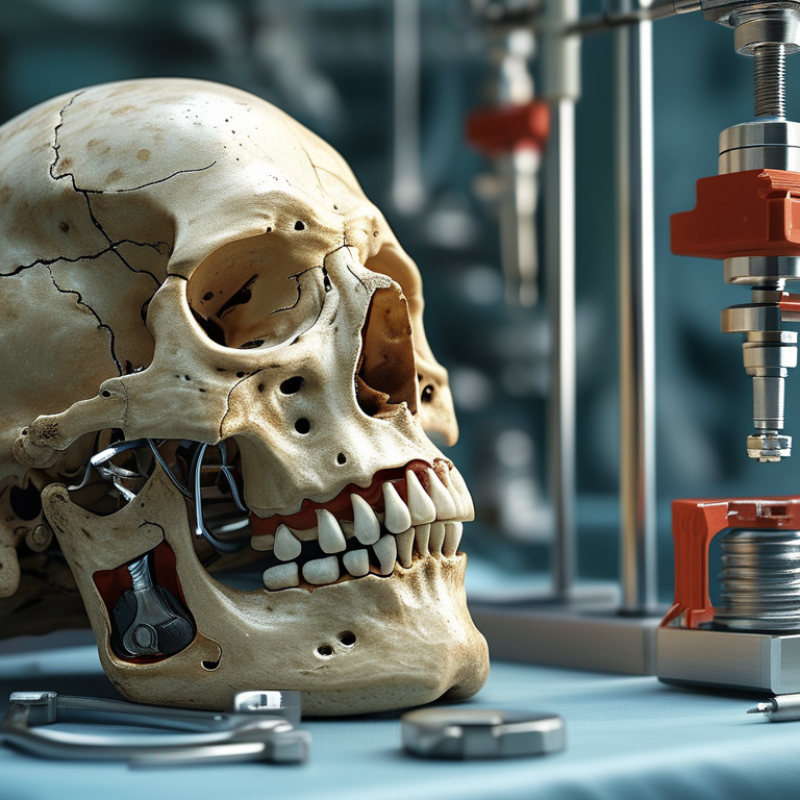
Can Bone Regrow Around Orthopedic Implants Effectively?

Understanding Bone Regeneration Mechanisms Around Implants

Bone regeneration around orthopedic implants is a topic of growing interest in the medical field. Osteointegration is a key element in determining the success of these implants. Studies suggest that nearly 90% of patients experience successful bone ingrowth when using modern materials like titanium. However, variability exists based on the individual patient’s health and lifestyle.


Research shows that biological factors significantly influence bone regeneration. For instance, the presence of growth factors can enhance cell signaling for bone healing. A report published by the Journal of Orthopedic Research highlights that mechanical stability also plays a crucial role. Implants that are securely anchored provide a better environment for natural bone remodeling. Yet, not all patients achieve optimal outcomes. In some cases, inadequate load sharing or poor implant design can lead to failure.


The complexity of bone regeneration necessitates a multifaceted approach. More research is needed to understand the intricate biochemical pathways involved. For example, the interplay between inflammation and tissue healing can affect the success of the implant integration. In orthopedics, it's clear that customizing treatment strategies based on patient-specific factors remains a challenge. Addressing these uncertainties could lead to better implant performance in the future.

Factors Influencing Bone Growth Around Orthopedic Devices

Bone growth around orthopedic implants is influenced by several factors. One major factor is the material composition of the implant. Studies suggest that biocompatible materials, such as titanium, promote better bone integration. A report by the Journal of Biomedical Materials Research found that implants made from titanium alloys can achieve over 80% bone contact within six months. This high level of integration signifies substantial bone regrowth around the implant.

Another crucial factor is the mechanical stability of the implant. Implants that provide stable fixation experience less micromotion. Research indicates that stable implants lead to higher rates of bone healing and growth. According to a review from the Journal of Orthopedic Research, implants with minimal movement can improve bone density by 30% compared to those that are not stable. Additionally, the biological environment plays a vital role. Factors like patient age, health conditions, and localized blood supply can significantly influence the healing process.

Surprisingly, not all implants lead to effective bone regrowth. Some individuals may experience complications, such as infection or implant loosening. These issues can hinder bone integration. A recent survey showed that up to 20% of patients report difficulties with their orthopedic implants. Understanding these complexities is essential. The challenges highlight the need for ongoing research into enhancing implant designs and materials for better patient outcomes.

Types of Orthopedic Implants and Their Compatibility with Bone

Orthopedic implants have revolutionized musculoskeletal surgery. They facilitate bone healing and stability. Various types of implants are used, including plates, screws, and rods. The compatibility of these implants with surrounding bone is critical. According to a study published in the Journal of Orthopedic Research, proper integration leads to a success rate of nearly 90% in certain cases.

Implant materials play a significant role in biocompatibility. Titanium and stainless steel are common choices due to their strength and corrosion resistance. Research indicates that titanium promotes better osseointegration than other materials. However, not all patients respond the same way. Factors such as age, activity level, and underlying health conditions can impact healing. Discrepancies in patient outcomes often lead to discussions among professionals about optimizing implant designs.

Current advancements focus on enhancing bone regeneration. Techniques such as surface coatings and bioactive materials show promise. These innovations aim to create a more favorable environment for bone to regrow around implants. While challenges remain, such as infection and limited vascularization, ongoing research is striving to address these issues. It's crucial to stay informed about evolving technologies in orthopedic implants.

Challenges in Promoting Bone Integration with Implants

The integration of bone around orthopedic implants presents several challenges that must be addressed for improved patient outcomes. Studies indicate that around 20% to 30% of patients experience complications related to poor bone integration. This issue can lead to implant failure, requiring additional surgeries. Understanding the reasons behind these complications is critical.

One primary obstacle is the surface properties of the implants. Rougher surfaces can enhance bone binding but may also lead to increased inflammation. The balance between promoting attachment and avoiding adverse reactions is delicate. Research published in reputable journals shows that implants with bioactive coatings can enhance bone growth. However, these coatings often face challenges related to their long-term stability and effectiveness.

Another aspect to consider is the biological response of patients. Factors such as age, nutrition, and underlying health conditions greatly impact bone healing. A report by the National Institutes of Health highlights that older adults may have diminished regenerative capacity. This raises questions about personalized treatment protocols in orthopedic surgery. As we advance our understanding of these challenges, it becomes clear that a multifaceted approach is essential for promoting effective bone integration with implants.

Challenges in Promoting Bone Integration with Orthopedic Implants

This chart illustrates the effectiveness of bone regeneration around orthopedic implants over various time periods, highlighting key challenges in achieving successful bone integration.

Recent Advances and Future Directions in Bone Regrowth Research

Recent advances in bone regrowth research have shifted the paradigm of orthopedic implants. Scientists are exploring ways to enhance osseointegration, the process by which bone integrates with implants. A study published in the *Journal of Orthopedic Research* highlighted that approximately 25% of patients experience poor bone integration with standard implant techniques. This indicates a clear need for innovative solutions.

Biomaterials research plays a crucial role in this field. Bioactive coatings on implants can stimulate bone growth. Researchers have noted a significant increase in bone-implant contact, achieving rates of up to 80% in animal models. Additionally, advanced techniques like 3D printing are being utilized to create patient-specific implants. These innovations show promise in addressing complications related to implant failure or poor integration.

Despite these advancements, challenges remain. Not all patients respond positively to new therapies. Factors like age, nutritional status, and comorbidities can affect healing. Ongoing clinical trials are necessary to refine these approaches and identify optimal strategies for various demographics. The journey toward effective bone regrowth around implants is a complex one, but the future holds potential for breakthroughs that could redefine patient outcomes.

Can Bone Regrow Around Orthopedic Implants Effectively? - Recent Advances and Future Directions in Bone Regrowth Research

Research Area Recent Advances Future Directions
Biomaterials Development of bioactive coatings Integration of smart materials
Stem Cell Therapy Use of MSCs for enhanced healing Personalized cell therapy approaches
Mechanical Loading Studies on optimal loading conditions Development of adaptive loading devices
3D Printing Production of custom implants Printing of biofunctional structures
Growth Factors Application of BMPs for healing Combination therapies with gene editing

FAQS

: What is osteointegration?

: Osteointegration is the process where bone grows into and integrates with an orthopedic implant.

How does the implant material affect bone growth?

The material, such as titanium, significantly influences integration and promotes better bone healing.

What role does mechanical stability play in bone regeneration?

Stable implants reduce micromotion and enhance bone healing rates, improving overall success.

Are there challenges in achieving optimal bone regrowth?

Yes, factors like implant design, infection, and individual health can hinder integration.

What biological factors affect bone healing?

Growth factors and localized blood supply are crucial for effective healing and regeneration.

Do all patients experience successful outcomes with orthopedic implants?

No, some patients report complications like infection or loosening, affecting overall success rates.

Why is ongoing research important in this field?

Research is essential to improve implant designs and materials for better patient outcomes.

What types of orthopedic implants are most common?

Plates, screws, and rods are common types used to facilitate bone healing.

How significant is patient-specific variability in outcomes?

Individual factors like age and activity significantly impact healing, leading to variable results.

What is the future of orthopedic implant technology?

Innovation, such as bioactive materials, aims to enhance the environment for better bone integration.

Conclusion

Bone regeneration around orthopedic implants is a crucial area of research in the field of orthopedic surgery. Understanding the mechanisms of bone regeneration involves exploring various factors that influence bone growth around these devices, including biological compatibility, mechanical stability, and the surface characteristics of the implants. Different types of orthopedic implants demonstrate varying degrees of compatibility with bone tissue, which can either promote or hinder effective integration.

Despite significant advances, several challenges still exist in enhancing bone integration with implants, such as managing biological responses and preventing implant failure. Recent research has focused on innovative approaches to facilitate bone regrowth, including the use of bioactive materials and advanced techniques in regenerative medicine. As we delve into the question of "Can bone grow back around orthopedic implants," it becomes clear that ongoing studies will play a pivotal role in improving outcomes for patients undergoing orthopedic procedures and enhancing the longevity of implants.

Charlotte

Charlotte

Charlotte is a seasoned marketing professional with a deep understanding of the company's portfolio and a passion for elevating its presence in the market. With a keen eye for detail and a commitment to excellence, she ensures that our professional blog is regularly updated with insightful articles......