Can I be allergic to orthopedic implants? Yes, but a confirmed implant-related allergy appears uncommon. More often, patients have skin sensitivity to metals such as nickel. A red, itchy rash from earrings is not the same as a reaction around a hip or knee implant. The distinction matters.
The American Contact Dermatitis Society’s 2016 expert statement advises against routine preoperative patch testing when patients have no history of metal reactions. Even when testing finds sensitivity, it cannot reliably predict how tissue will respond to an implant. The American Academy of Orthopaedic Surgeons also describes true implant allergy as rare. These cautions are useful, though they can feel unsatisfying when a painful joint needs an explanation.
The FDA’s MAUDE device-event database collects reports about medical devices, including orthopedic implants. The FDA warns that these reports cannot establish how often a problem occurs; they lack a dependable total number of exposed patients. That limitation is important. A swollen knee, persistent pain, or rash near an incision can have many causes, including infection, loosening, or ordinary healing problems. Allergy is usually considered only after clinicians assess more common explanations. A metal patch test may help in selected cases, but it is not a verdict. A careful history, examination, and specialist review matter more than a single test result. And sometimes, the cause remains uncertain.
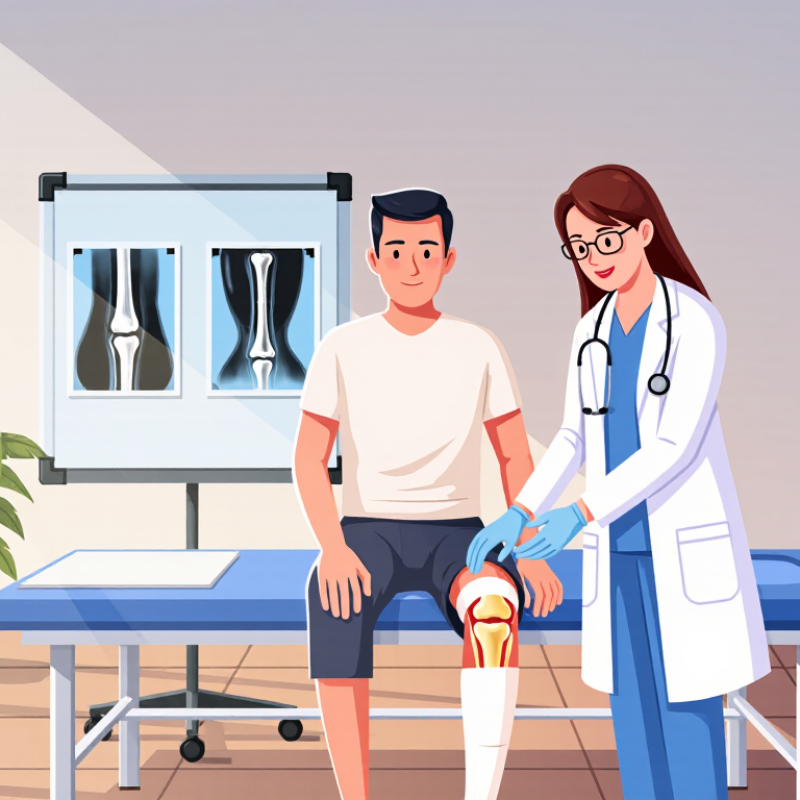
An orthopedic implant allergy is an immune reaction to a material in a device. The suspected trigger may be a metal, such as nickel, cobalt, or chromium. Reactions can develop gradually, rather than appearing right after surgery. The body may respond around the implant or, less often, with a skin rash elsewhere.
Possible signs include persistent itching, redness, swelling, or pain near the surgical area. But these symptoms have many possible causes, including infection, healing problems, or mechanical irritation. An allergy is uncommon, and symptoms alone cannot confirm one. The picture is not always neat. A clinician may review your medical history, examine the area, and consider tests. Skin or blood tests can suggest sensitivity, but they do not prove that an implant is causing symptoms. Decisions about testing or changing an implant need specialist guidance.
Tips: Tell your care team about known metal sensitivities and describe when symptoms began. Note changes, such as a rash near the incision or increasing swelling. Seek medical advice for persistent symptoms; do not assume the implant is the cause.
| Topic | Evidence-Based Information | Practical Consideration |
|---|---|---|
| What an implant allergy means | A suspected immune reaction to one or more materials in an orthopedic implant. Metal-related reactions are generally described as delayed, cell-mediated hypersensitivity rather than an immediate allergy. | An allergy is only one possible explanation for symptoms after surgery and should be assessed by a qualified clinician. |
| Materials that may be involved | Orthopedic devices can contain metals such as nickel, cobalt, chromium, and titanium, as well as other materials depending on the device. Composition varies by implant. | Ask the surgeon for the implant’s material information if there is a relevant history of metal reactions or a concern about the device. |
| Possible symptoms | Reported symptoms can include persistent localized skin rash or itching, swelling, pain, or fluid around the implant. These symptoms are nonspecific and can have many other causes. | Pain, swelling, or a rash does not by itself establish an implant allergy. Seek medical assessment, particularly for worsening symptoms. |
| How common it is | Metal sensitization in the general population is more common than confirmed implant-related allergy. The frequency of clinically meaningful reactions to orthopedic implants is uncertain and considered uncommon. | A positive allergy test does not necessarily mean an implant is causing symptoms or will cause a problem. |
| How it is evaluated | Evaluation typically considers the medical history, examination, implant details, and alternative causes. A clinician may use skin patch testing or other tests in selected cases. | Patch testing identifies skin sensitization but cannot, on its own, confirm that an implant is responsible. Blood-based tests for metal sensitivity also have limitations. |
| Other causes to consider | Infection, mechanical problems, implant wear, poor healing, and other local or medical conditions may cause similar symptoms. | Clinicians generally assess for more common or urgent explanations before attributing symptoms to allergy. |
| Treatment options | Management depends on the suspected cause and severity. It may involve treating another identified condition, symptom management, or, in carefully selected cases, considering implant revision. | Do not stop treatment or seek implant removal without specialist advice. Revision surgery has risks and is not recommended solely because an allergy test is positive. |
| Before planned surgery | Tell the surgical team about a documented metal allergy, prior reactions to jewelry or medical devices, and any previous implant-related concerns. | The care team can review the planned materials and decide whether further assessment or an alternative is appropriate. |
| When to seek prompt care | Fever, increasing redness or warmth, wound drainage, rapidly worsening pain, or sudden loss of function can indicate a complication that needs prompt evaluation. | Contact a healthcare professional urgently for these symptoms; they should not be assumed to be an allergic reaction. |
Some stainless-steel alloys contain nickel. Cobalt and chromium can also affect sensitive people. Titanium reactions are uncommon, but possible. No material is perfect.
No. It shows skin sensitivity, not necessarily a reaction inside the body. The amount of metal released can vary. The test cannot predict everything.
Persistent pain, swelling, warmth, or a rash near the surgical area may occur. These signs have other possible causes. Infection or loosening can look similar.
They review symptoms, allergy history, examination findings, implant details, and selected tests. They also check for infection, loosening, and mechanical irritation. Sometimes the cause remains unclear.
Ceramic components and polyethylene liners are not typical causes of metal allergy. Any implanted material can rarely prompt inflammation. Rare, but possible.
Some bone cements contain acrylic compounds, and some formulations include antibiotics. Sensitivity is possible, though uncommon. Share known allergies before surgery.
Patch testing may help when someone has a relevant history, such as a rash from jewelry. One population study found nickel skin sensitivity in 9.7% of adults. That does not prove an implant is causing symptoms. Blood-based tests also have limits.
Bring records of past metal or cement reactions and details about your implant. Ask how infection and mechanical causes were assessed. A positive test alone does not settle the question.
Not based on the test alone. Removal should follow careful medical evaluation of symptoms and other possible causes. Uncertainty matters.
Can I be allergic to orthopedic implants? Although uncommon, some people may develop a sensitivity to materials used in implants, such as certain metals or alloys. A reaction can be difficult to distinguish from infection, mechanical problems, or other causes of discomfort. Possible signs include persistent pain, swelling, redness, warmth, itching, or a rash near the implant, though these symptoms do not confirm an allergy on their own.
Doctors assess symptoms, medical history, the implant and its materials, and other possible explanations. They may use allergy testing when appropriate, while considering its limits and interpreting results alongside clinical findings. If an implant-related allergy is suspected, management depends on how severe the symptoms are and whether the implant is functioning properly. Options may include monitoring, treating symptoms, or, in selected cases, discussing a replacement with a suitable alternative material. Decisions should be made with a qualified healthcare professional.

 Pure Orthopedic Implants