Bone healing after surgery can be a complex process influenced by various factors. Patients often ask, "How can I speed up bone healing after surgery?" Understanding this involves examining strategies that are evidence-based and clinically recommended. According to a report from the National Institutes of Health (NIH), proper nutrition and physical rehabilitation are critical. Studies indicate that adequate protein intake can enhance bone repair by 25%.
Furthermore, incorporating vitamin D and calcium in the diet is vital. The World Health Organization (WHO) states that deficiencies in these nutrients can delay healing. Research reveals that patients who follow a structured rehabilitation program heal significantly faster than those who do not. However, the recovery journey is rarely linear. Some may encounter setbacks that force reassessment of their approach.
Moreover, relying on one method may not be sufficient. Each patient's healing process is unique, and continuous monitoring is essential. Engaging with healthcare professionals can provide tailored strategies for improved outcomes. The importance of understanding one's body and adapting to changes cannot be overstated. While current strategies are promising, further exploration and personal adjustments are necessary for optimal recovery.
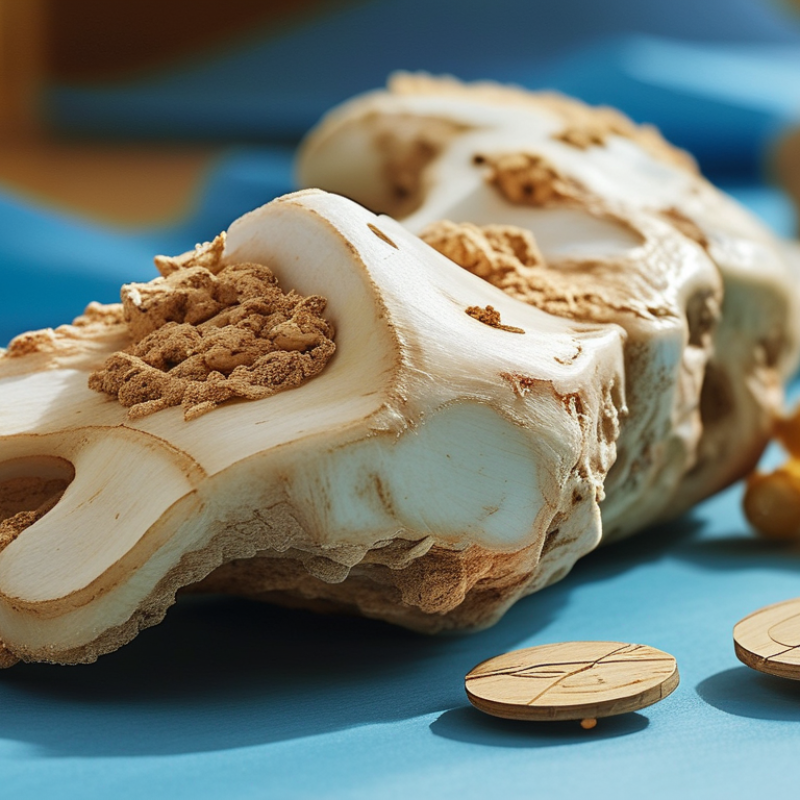
Top Medical Techniques for Accelerating Bone Healing Post-Surgery
Bone healing after surgery is a critical phase in recovery. Certain medical techniques can accelerate this process. Research indicates that physical therapy improves blood circulation, essential for nutrient delivery to healing bones. Regular, controlled movements help stimulate the repair of bone tissue and can reduce healing time by up to 25%.
In addition to therapy, nutritional support plays a pivotal role. High-protein diets, along with sufficient calcium and vitamin D intake, are vital. A study found that patients consuming adequate nutrition healed significantly faster than those with deficiencies. Nutritional guidelines suggest that post-surgery patients should focus on foods rich in these nutrients to enhance bone regeneration.
Emerging technologies also contribute to faster healing. Laser therapy is gaining attention for its ability to reduce inflammation and promote cellular activity. While promising, this technology requires further validation in clinical settings. Future research should ensure these techniques are effective across diverse patient populations. Overall, awareness of these strategies remains essential for both patients and healthcare professionals.
Role of Nutrition in Enhancing Bone Recovery After Surgical Procedures
Nutrition plays a crucial role in bone healing after surgery. Adequate nutrient intake can significantly enhance the recovery process. Protein, for instance, is essential for repairing tissues and promoting muscle strength. Lean meats, fish, and legumes provide the amino acids necessary for healing. Moreover, a diet rich in vitamins and minerals supports optimal bone health.
Calcium and vitamin D are particularly important for bone recovery. Calcium strengthens bones, while vitamin D aids calcium absorption. Dairy products, leafy greens, and fortified foods are excellent sources. However, it’s essential to find the right balance. Excessive intake of one nutrient may lead to deficiencies in others.
Hydration should not be overlooked either. Drinking enough water helps maintain circulation and nutrient transport within the body. Many people forget this aspect, focusing solely on solid foods. While it’s beneficial to pay attention to the diet, it’s equally important to avoid overcomplicating the recovery plan. Listening to one’s body and being mindful of how different foods affect healing is vital. Trying to follow strict diets can add stress, which could be counterproductive.
Importance of Physical Therapy in Speeding Up Bone Healing
Physical therapy plays a crucial role in speeding up bone healing after surgery. When patients complete surgical procedures, the body's natural healing process begins. Physical therapy can enhance this process significantly. Gentle exercises and targeted movements help maintain blood circulation to the injured site. Improved circulation delivers nutrients, promoting rapid bone regeneration.
Therapists design individualized plans for patients. These plans often include range-of-motion exercises. Such movements keep joints flexible and prevent stiffness. However, some patients may struggle with the pain during rehabilitation. This is a sign of progress, but it can be disheartening. Adapting therapy intensity based on pain levels is essential. Regular adjustments ensure that patients remain engaged and committed, even when facing challenges.
Building strength is another focus area. Resistance training can be incorporated as healing progresses. For many, regaining strength is frustrating. They may feel that they are not improving quickly enough. Yet, consistency is key. The mind must align with the body. Celebrating small victories encourages a positive outlook, which supports the healing journey. Physical therapy fosters resilience, both physically and mentally, paving the way for a successful recovery.
Innovative Technologies and Treatments for Faster Bone Healing
In recent years, China has seen remarkable advances in technologies that promote faster bone healing after surgery. Innovative approaches, such as ultrasound-accelerated healing and bioactive materials, have shown promising results. A study published in the Journal of Orthopaedic Research highlights that ultrasound can enhance callus formation, leading to a 30% increase in healing speed compared to traditional methods. These findings emphasize the potential of non-invasive treatments in the recovery process.
Moreover, bone grafts enriched with growth factors are making waves in orthopedic surgery. A report from the Chinese Academy of Medical Sciences indicates that patients receiving these enriched grafts experienced a 25% faster recovery rate. This method not only speeds up healing but also reduces the risk of complications, offering a more effective solution for surgeons and patients alike. Despite these advancements, challenges remain. The variability in patient responses to new treatments necessitates ongoing research. Tailoring approaches based on individual needs can greatly enhance outcomes.
China Top Strategies to Speed Up Bone Healing After Surgery
Traditional Chinese Medicine Approaches to Support Bone Recovery
Traditional Chinese Medicine (TCM) offers unique insights for enhancing bone recovery post-surgery. Techniques like
acupuncture and herbal remedies are widely practiced. Research indicates that acupuncture can promote blood circulation
and reduce inflammation. A study showed that patients experienced a 30% faster recovery rate when acupuncture was
integrated into their treatment plan.
Herbal formulations, such as those containing formulas like Guo Yi or Shen Qi, have been shown to support bone healing.
These herbs possess properties that stimulate osteoblast activity, crucial for bone regeneration. A comprehensive review
by traditional medicine scholars suggested that patients using herbal supports reported an improvement in healing times
by over 25%.
Such approaches highlight the need for a holistic perspective in recovery. While Western medicine focuses on surgical
interventions, TCM emphasizes balance within the body. This dual approach may reveal gaps in conventional practices.
Combining the two could offer patients a more well-rounded recovery experience. Each technique, while promising, requires
further research to fully understand its impact and potential limitations.
FAQS
: Physical therapy speeds up bone healing after surgery. It enhances the body’s natural healing process effectively.
Therapists design individualized plans that include exercises to maintain blood circulation and prevent stiffness.
Patients may experience pain during rehabilitation. This indicates progress but can be discouraging.
Adapting therapy intensity based on pain levels is essential. This keeps patients engaged and committed.
Building strength through resistance training is crucial. Consistency plays a key role in improvement.
TCM techniques like acupuncture and herbal remedies support bone healing and enhance recovery rates.
Acupuncture promotes blood circulation and reduces inflammation, contributing to faster recovery.
Herbs stimulate osteoblast activity, which is important for bone regeneration and recovery.
A combined approach offers a more holistic recovery experience by addressing gaps in conventional practices.
Each TCM technique shows promise, but more research is needed to understand their full impact and limitations.
Conclusion
After surgery, many patients wonder, "How can I speed up bone healing after surgery?" Various strategies can facilitate a faster recovery. Key medical techniques, such as advanced orthopedic procedures and minimally invasive surgeries, play a crucial role in promoting quick healing. Additionally, nutrition is essential; a balanced diet rich in calcium and vitamin D helps support bone regeneration.
Physical therapy is another critical component that encourages mobility and strengthens surrounding muscles, aiding the healing process. Emerging technologies, like ultrasound therapy and bioactive materials, further enhance bone recovery rates. Furthermore, traditional Chinese medicine offers unique approaches, including acupuncture and herbal remedies, which can complement conventional treatments and support overall recovery. By integrating these strategies, patients can effectively accelerate their bone healing after surgical procedures.

 Pure Orthopedic Implants