China Best Orthopedic Implants Trigger Metal Detectors?

Time:2026-11-04 Author:Henry
0%

Do orthopedic implants set off metal detectors? Sometimes, but not always. The result depends on the implant’s material, size, location, and the screening equipment’s sensitivity. A small titanium screw may go unnoticed, while a larger stainless-steel plate or joint replacement may prompt an alert. There is no single answer for every patient.

Orthopedic implants can be made from titanium alloys, stainless steel, or cobalt-chromium alloys. These materials behave differently in screening systems, and the amount of metal matters. So does the detector. A hip replacement, knee prosthesis, spinal rod, or fracture-fixation plate may be more noticeable than a small screw. Even then, an alarm does not identify the object by itself. It simply signals that staff may need to check further.

A little uncertainty remains. Device designs and detector settings vary, so online claims that a particular implant “never” triggers an alarm deserve caution. Patients should ask their surgeon or implant provider for accurate device details and keep any implant documentation they receive. At an airport or other screening point, tell staff about the implant before screening and follow their instructions. Screening procedures can differ by location.

For people considering orthopedic implants made in China, brand reputation alone is not enough. Ask about the specific device, materials, clinical indications, and documentation, and discuss suitability with a qualified orthopedic professional. The best implant is not simply the one least likely to trigger a detector. It is the device selected for the patient’s medical needs, with clear information and appropriate follow-up.
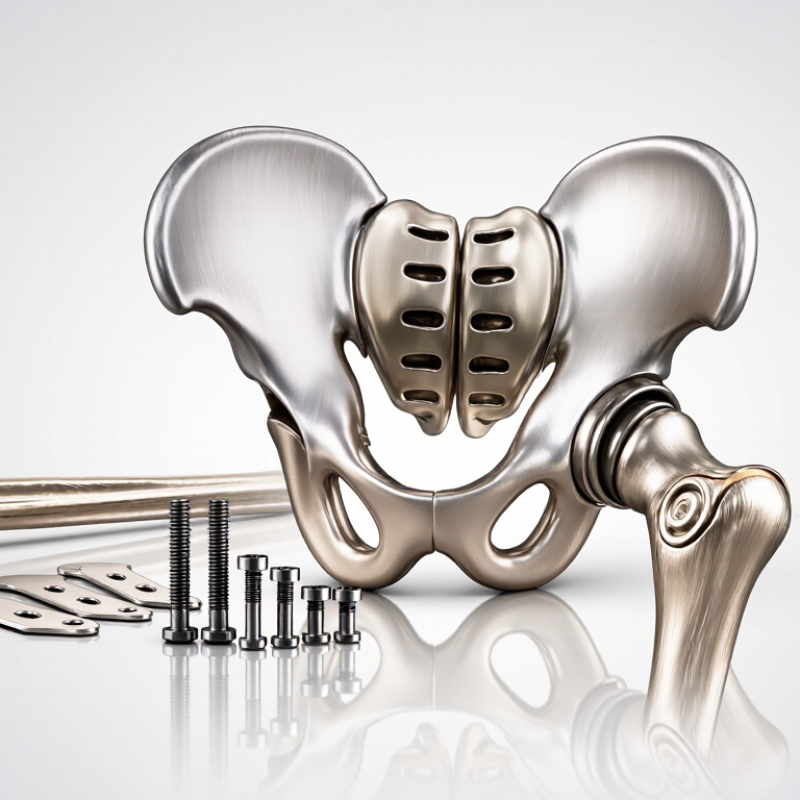
China Best Orthopedic Implants Trigger Metal Detectors?

Types of Orthopedic Implants Made in China

Orthopedic implants manufactured in China include hip and knee replacement components, trauma-fixation devices, and spinal systems. A hip set may pair a metal stem with a ceramic or polymer bearing surface. Trauma products include plates, screws, and intramedullary nails for stabilizing fractures. Spinal systems commonly use screws and rods, while interbody cages may be made from titanium or PEEK. Materials vary. Stainless steel and titanium alloys are common choices, but the right material depends on the device, anatomy, and surgical plan.

The categories sound tidy; real product specifications are not. Two plates can differ in thickness, hole layout, alloy, and surface finish. Grand View Research estimated the global orthopedic implants market at USD 47.7 billion in 2023 and projected 5.1% annual growth from 2024 to 2030. That market estimate describes demand, not the quality of any individual product. For buyers, useful checks include material certificates, dimensional drawings, fatigue-test information, and traceability records. I would avoid treating “made in China” as a single technical profile: manufacturers produce different designs and materials, and documentation deserves careful review.

China Best Orthopedic Implants Trigger Metal Detectors? – Types of Orthopedic Implants Made in China

Chart: Nominal composition by weight of Ti-6Al-4V, a titanium alloy commonly used in orthopedic implants. Titanium is the balance after the nominal 6% aluminum and 4% vanadium.

Orthopedic implants include joint replacements, plates and screws, spinal implants, and intramedullary nails. They may use titanium alloys, cobalt-chromium alloys, or stainless steel; some devices also include polymers or ceramics. Any metal implant may trigger a security metal detector, depending on its size, material, the detector’s sensitivity, and other factors. The alloy composition shown here cannot predict whether a particular implant will trigger an alarm.

Materials Commonly Used in Orthopedic Implants

China Best Orthopedic Implants Trigger Metal Detectors?

Materials Commonly Used in Orthopedic Implants

Orthopedic implants are made from materials chosen for strength, wear resistance, and compatibility with the body. The right choice depends on the implant’s location and purpose. Titanium alloys are common in plates, screws, and joint components because they are strong yet relatively lightweight. Stainless steel is also used, particularly in some fixation devices. Cobalt-chromium alloys can withstand repeated contact and wear, so they may appear in joint replacements.

That matters.

Some implants also include non-metal materials, such as ceramic or PEEK, a durable medical-grade polymer.

Metal implants can sometimes activate security detectors, but a beep is not guaranteed. The response varies with the detector’s sensitivity, the implant’s size and composition, and its position in the body. A small screw may go unnoticed, while a larger metal component may be detected. There is no single rule for every airport or screening system. It is easy to overstate certainty here: material alone cannot predict what a detector will do.

Tips: Ask your orthopedic care team which materials your implant contains, and keep any implant information card they provide. If a detector responds, calmly explain that you have an implant and follow staff instructions. Don’t assume every implant needs special screening.

How Metal Detectors Respond to Orthopedic Implants

Orthopedic implants do not produce one predictable response at a metal detector. An artificial knee or hip may trigger an alarm, but it may not. Some people pass through without a signal. Others hear a brief beep. The detector responds to metal in its field, not to the medical purpose of an implant. Implant alloy, total metal volume, position, and detector sensitivity can all affect the result. A small plate in a wrist may behave differently from a larger joint replacement. The setting matters too. Even one traveler may get different screening outcomes on separate visits.

If an alarm sounds, remain calm and explain that you have an orthopedic implant. Stay calm. Tell screening staff where the implant is, if you know. Follow their instructions; they may use another screening method or ask brief questions. An implant card or surgical record can provide useful details, especially after recent surgery. It does not guarantee a particular screening result. Some travelers expect every implant to set off an alarm. That expectation is understandable, but not always accurate. Detector technology and procedures vary, and public information cannot predict how a specific checkpoint will respond. For personal guidance, ask your surgeon what implant details to carry before travel.

China Best Orthopedic Implants Trigger Metal Detectors? - How Metal Detectors Respond to Orthopedic Implants

Factor or implant type What may affect detector response What a traveler can expect Practical guidance
Hip or knee replacement These implants contain a relatively large amount of metal compared with many smaller orthopedic devices. Material, component size, detector sensitivity, and screening settings can all influence the result. A walk-through or handheld detector may alert, but an alert is not certain. Some people with joint replacements pass through without an alarm. Tell the screening officer about the implant and follow the screening instructions. Procedures vary by location.
Metal used in implants Orthopedic devices may use materials such as titanium alloys, cobalt-chromium alloys, or stainless steel. Detector response depends on the device and screening system; material alone cannot predict an alarm. There is no dependable rule that one commonly used implant metal will always trigger—or never trigger—a detector. Use information from your surgeon or implant documentation if asked about the device.
Small plates, screws, or pins Smaller devices generally contain less metal than a large joint replacement, but size is only one factor. The number and arrangement of components may also matter. An alarm may be less likely than with a larger implant, but it cannot be ruled out. Allow time for additional screening if needed, particularly when traveling.
Implant location and depth Body location and how the device is positioned can affect how a detector senses it. Screening equipment and the way it is operated also vary. The same person may have different screening experiences at different checkpoints. Answer questions clearly and indicate the general location of the implant if requested.
Detector alarm A metal detector signals that it has sensed metal; it does not identify an orthopedic implant or diagnose a medical condition. An alarm may lead to a secondary check under the screening authority’s procedures. An alarm alone does not mean that anything is wrong with the implant. Cooperate with screening staff and ask what screening options are available if you have concerns.
Implant card or medical records Documentation can help explain the device, but screening authorities may not require or accept it as a substitute for screening. Whether documentation changes the screening process depends on local rules. Carry an implant card or relevant medical information if available, and check current guidance from the airport or screening authority.
Safety of screening Metal detectors are used to screen for metal objects; they do not remove or loosen an orthopedic implant. For questions about a specific device or medical condition, a healthcare professional is the appropriate source. Follow the screening officer’s instructions and contact your care team if you have device-specific concerns.

Note: Metal-detector outcomes cannot be guaranteed from implant type alone. Screening equipment, settings, and procedures differ, so follow the instructions of the relevant screening authority.

Factors That Affect Whether an Implant Triggers an Alarm

Whether an orthopedic implant triggers a walk-through metal detector depends on several factors. Implant size and metal volume matter: a large hip component may produce a stronger signal than a small fixation screw. Material matters, too, but titanium is not automatically invisible. Detectors respond to conductive mass and their settings, not simply to whether a metal is magnetic. Small details count.

Detector sensitivity, calibration, and the implant’s position relative to the scanner can all affect the result. TSA public screening guidance notes that medical implants may trigger an alarm, but it does not provide a reliable personal probability.

The 2024 National Joint Registry report records more than three million hip and knee replacement procedures across its covered regions. That figure shows how varied real-world implant histories are; it cannot predict who will alarm at a checkpoint.

One limitation deserves attention: published screening findings may use different detector models and settings, so their alarm rates do not transfer neatly to every airport. I would not promise that a particular implant will pass silently. Carrying an implant identification card may help explain the situation, though it does not guarantee a different screening procedure. A little uncertainty remains.

What to Expect During Security Screening with an Implant

China Best Orthopedic Implants Trigger Metal Detectors?

What to Expect During Security Screening with an Implant

An orthopedic implant may or may not trigger a security detector. The response depends on the implant’s material, size, location, and the screening equipment. A hip or knee replacement can sometimes prompt an alert, but many travelers pass through without one. There is no reliable way to predict the result for every person. Screening can feel awkward, especially when other people are waiting nearby. That uncertainty is frustrating.

Tips: Tell the screening officer about your implant before screening begins. If your care team provided an implant card or medical document, keep it accessible. You can ask staff to explain available screening options. Procedures differ by location, so follow the officer’s instructions. Do not assume an alert means something is wrong with your implant.

If the detector alarms, stay calm and explain that you have an orthopedic implant. Staff may use another screening method or conduct additional checks, according to local procedures. You generally should not need to remove the implant, but screening staff decide how to proceed. If you feel uncomfortable, ask questions politely. For personal advice before travel, check with your healthcare professional, especially after a recent operation or if you have mobility concerns.

FAQS

What orthopedic implants are commonly made in China?

Common products include hip and knee components, fracture plates, screws, intramedullary nails, and spinal systems. Spinal cages may use titanium or PEEK.

Which materials are used in orthopedic implants?

Stainless steel and titanium alloys are common. Hip bearings may use ceramic or polymer. Material choice depends on the device, anatomy, and surgical plan.

What should buyers check when reviewing implant products?

Review material certificates, dimensional drawings, fatigue-test information, and traceability records. Details matter. A country label alone cannot describe a product’s design or quality.

What does the orthopedic implant market forecast indicate?

One estimate placed the global market at USD 47.7 billion in 2023, with projected annual growth of 5.1% from 2024 to 2030. That forecast describes demand, not individual product quality.

Will an orthopedic implant always trigger a metal detector?

No. Some people pass without an alarm; others hear a brief beep. It varies.

What affects whether an implant triggers an alarm?

Implant size, metal volume, material, and position can matter. Detector sensitivity and calibration matter too. Titanium is not automatically invisible.

Are larger joint replacements more likely to trigger alarms than small screws?

A larger hip component may create a stronger signal than a small fixation screw. Still, the outcome depends on the detector and setting.

What should someone do if a detector alarms?

Stay calm. Tell screening staff about the implant and its location, if known. Follow their instructions; they may use another screening method.

Does an implant card guarantee a smooth screening?

No. An implant card or surgical record can provide useful details, especially after recent surgery. It does not guarantee a particular result. I would not promise silent passage.

Conclusion

Do orthopedic implants set off metal detectors? In many cases, they can, but an alarm is not guaranteed. Orthopedic implants made in China may include plates, screws, rods, joint replacements, and other devices used to support or replace bones. Common materials include titanium and its alloys, stainless steel, and cobalt-chromium alloys. These materials are strong and suitable for medical use, but their metal content can sometimes be detected during screening.

Whether an implant triggers an alarm depends on factors such as its size, material, location, and the sensitivity of the detector. A larger implant or one containing more metal may be more noticeable, while smaller devices may not cause a response. During security screening, travelers with implants can follow staff instructions and calmly explain that they have a medical implant. Screening procedures vary, so allowing extra time and carrying relevant medical information may help make the process smoother.

Henry

Henry

Henry is a dedicated marketing professional with a profound expertise in the company's offerings. With years of experience in the industry, he possesses an impressive understanding of the market dynamics and consumer behaviors that drive success. Henry is committed to sharing his insights through......