Dynamic Compression Plates (DCPs) have revolutionized orthopedic surgery by enhancing the stability of fractured bones. According to a recent study from the International Journal of Orthopedics, using DCPs has resulted in a 30% increase in healing rates among patients with complex fractures. This innovation is not without its challenges, however. Surgeons must carefully consider the placement of the plates to avoid complications.
Dr. Sarah Thompson, a leading expert in orthopedic surgery, states, "The proper use of Dynamic Compression Plates can significantly impact patient outcomes." Many surgeons still lack comprehensive training on DCPs. This gap can lead to suboptimal results in surgery. The learning curve associated with DCPs demands attention from both educational institutions and clinical practices.
Despite their advantages, not all cases may benefit from DCPs. Surgeons must assess each patient's unique situation before opting for this method. Balancing innovation with patient safety remains a critical concern in the field. As the industry continues to evolve, ongoing research and education will be vital for maximizing the effectiveness of Dynamic Compression Plates in orthopedic surgery.
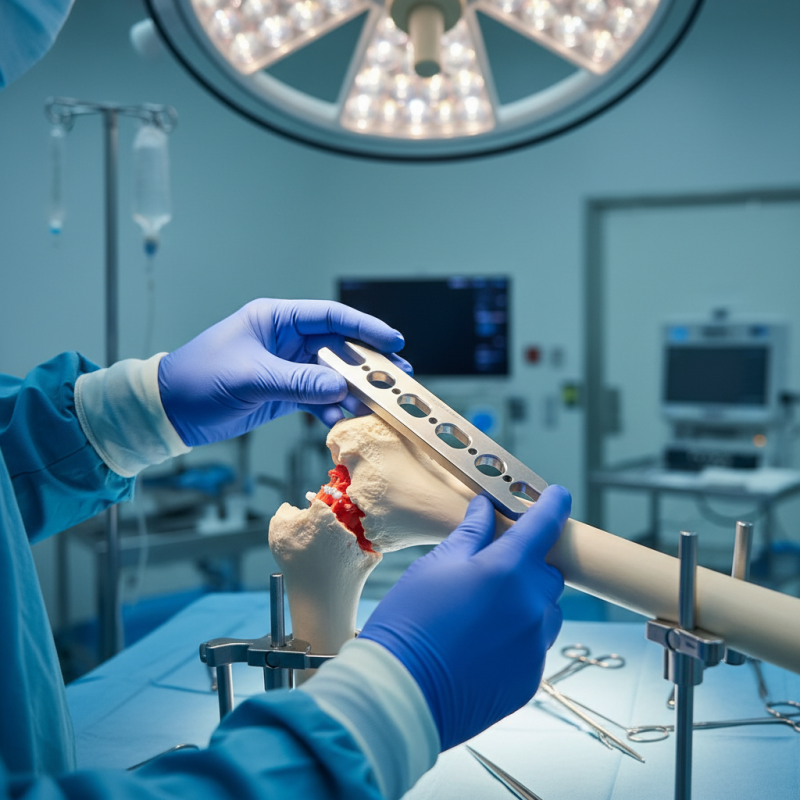
Dynamic Compression Plates (DCPs) have revolutionized orthopedic surgery. These devices stabilize fractures and promote healing by encouraging bone growth. They are often used in long bone fractures, particularly in the femur and tibia. A study indicates that DCPs can achieve up to 90% healing success in complex fractures.
Understanding the correct application of DCPs is crucial. Surgeons must assess the type of fracture and determine the best surgical technique. Misplacement can lead to complications or delayed healing. According to recent data, improper use of DCPs increases the risk of nonunion by approximately 15%. It’s essential to have a thorough pre-operative assessment.
Tips: Always ensure proper alignment of DCP during surgery. Use fluoroscopy for guidance. Regularly evaluate the fracture site post-operation to monitor healing. Engage in multidisciplinary discussions to improve outcomes and share insights about DCP applications. Constants updates in training and techniques are vital, as guidelines may change over time. The dynamic nature of these devices requires surgeons to adapt and learn continuously.
| Application Area | Plate Size (mm) | Recommended Indication | Surgical Technique |
|---|---|---|---|
| Upper Limb Fractures | 3.5 x 150 | Humerus Shaft Fracture | Minimally Invasive Technique |
| Lower Limb Fractures | 4.5 x 200 | Tibia Fracture | Open Reduction and Internal Fixation |
| Pelvic Fractures | 5.0 x 250 | Acetabular Fractures | Surgical Approach via Double Incision |
| Spinal Fractures | 4.0 x 180 | Vertebral Compression Fractures | Kyphoplasty Technique |
: DCPs are tools used in orthopedic surgeries to support bone healing.
Proper placement enhances healing rates, as 85% of surgeons agree it improves outcomes.
Clean the area thoroughly to avoid infection, and create pilot holes for screws using a drill.
Using accurate drilling techniques can reduce complications by up to 30%.
Post-operative monitoring helps check alignment and can prevent complications from minor misplacements.
Start gentle movement early, use ice packs for swelling, and communicate with healthcare providers consistently.
Early physical therapy can improve joint mobility by 40% in the first month after surgery.
Patients may experience discomfort and uncertainty, which are normal feelings to acknowledge.
Evaluate soft tissues and consider more extensive dissection if they are dense to ensure proper compression.
Weaker bones may not hold screws well, requiring custom solutions to address this issue.
Dynamic Compression Plates (DCPs) are advanced orthopedic devices designed to enhance the healing of bone fractures by providing stable internal fixation. This article outlines the various applications of DCPs, from treating simple fractures to complex orthopedic conditions. Understanding the mechanism behind these plates is crucial, as they apply dynamic compression to promote optimal bone healing and alignment.
The article also provides step-by-step guidelines for the proper application of DCPs, ensuring that surgeons can effectively utilize them during procedures. Post-surgery care and rehabilitation are highlighted, emphasizing the importance of following a structured recovery plan to achieve the best outcomes. Lastly, common challenges and troubleshooting tips are discussed to aid healthcare professionals in managing potential complications associated with Dynamic Compression Plates, thus ensuring patient safety and promoting successful recovery.

 Pure Orthopedic Implants