Implant infections pose a significant challenge in modern medical practice. Research indicates that the incidence of such infections ranges from 1% to 30%, depending on various factors. Understanding how to effectively manage these infections is crucial for improving patient outcomes.
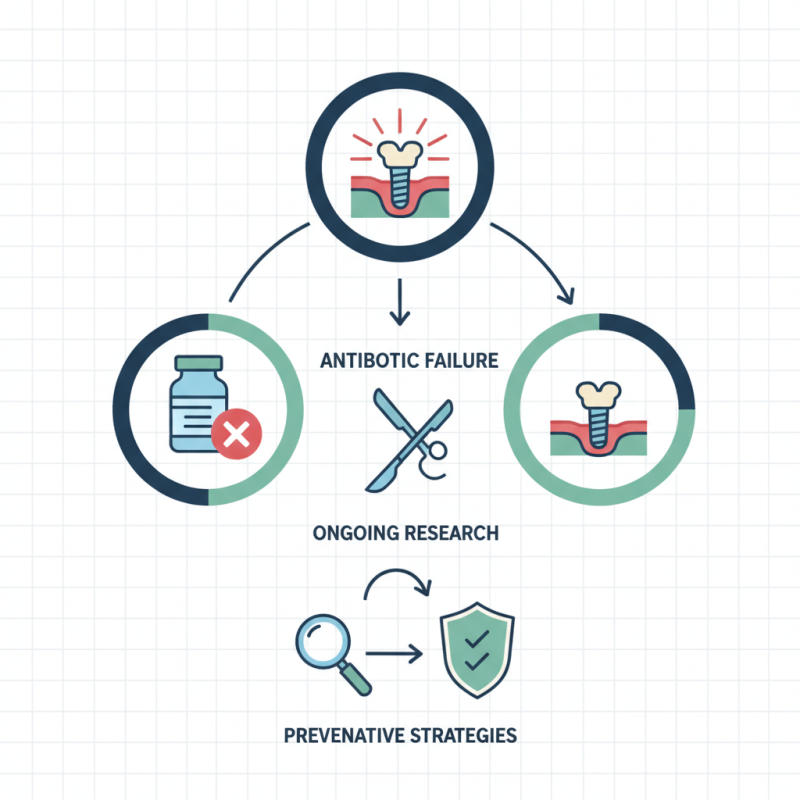
How are implant infections treated? Treatment often begins with a thorough assessment. Surgeons consider the type of implant and the infection's severity. Antibiotic therapy is typically the first line of defense. Yet, studies show that in many cases, it may fail to resolve the infection. In such situations, surgical intervention becomes necessary. The removal of the infected implant may be required, followed by a careful reconstruction process.
Despite advancements in techniques and materials, the risk of complications remains high. A study published in the Journal of Clinical Orthopaedics found that nearly 20% of patients experience recurring infections after treatment. This statistic highlights the need for ongoing research and meticulous care. Further exploration into preventative strategies is essential. Ultimately, the approach to managing implant infections must be adaptive and informed by latest evidence.
Implant infections can occur due to various causes. Bacteria can enter the body through surgical sites, leading to complications. Other risk factors include poor hygiene, pre-existing conditions, and smoking. Patients with weakened immune systems are particularly vulnerable.
Attention to detail in post-operative care is crucial. Regular cleaning and monitoring of the implant site can help prevent infections. However, not all patients follow these guidelines. The presence of certain medical conditions, like diabetes, can also complicate recovery, making infections more likely.
Healthcare professionals must educate patients on these risks. Understanding when to seek help is vital. While awareness can reduce infection rates, many still face challenges post-surgery. A more proactive approach is essential. Addressing vulnerabilities can lead to more effective treatment and better patient outcomes.
Infections around implants are a serious concern. Recognizing symptoms early is vital for effective treatment. Common signs include swelling, redness, and persistent pain near the implant site. Patients may also experience fever or unusual discharge. Identifying these symptoms promptly allows for timely medical intervention.
Techniques for diagnosing implant infections involve various methods. A thorough physical examination is often the first step. Doctors may also order imaging tests, such as X-rays or ultrasound, to assess the condition of the implant and surrounding tissues. Laboratory tests can identify bacterial infections. However, the accuracy of these tests may vary. In some cases, an invasive procedure like aspiration might be necessary, which involves extracting fluid from the affected area.
Understanding these initial steps can aid patients in seeking help sooner. Engaging with healthcare providers and openly discussing any symptoms can lead to better outcomes. Infections can evolve rapidly, and a proactive approach is essential. Being informed may help in making crucial decisions regarding treatment and recovery.
Implant infections remain a significant challenge in medical practice. Effective treatment often starts with the use of antibiotics. Studies indicate that 70-80% of implant-related infections respond to antibiotic therapy. However, the selection of the right antibiotic is crucial. Cultures help identify the specific bacteria causing the infection. This precision enhances treatment effectiveness.
When antibiotics fail or infections persist, surgical intervention may be necessary. Surgical options include debridement or complete removal of the implant. Research shows that about 30% of implant infections require surgery. Removing the infected implant often leads to better outcomes. Post-surgery, patients typically receive long-term antibiotics to prevent recurrence. The combination of surgery and antibiotics shows substantial success rates over time.
Clinical studies indicate that implant infections can lead to complications if not treated promptly. In some cases, these infections can result in chronic pain or functional impairment. Therefore, early diagnosis and appropriate treatment are essential. Monitoring of infection signs can significantly improve patient outcomes. The complexity of implant infections requires a tailored approach to each patient, balancing the risks and potential benefits of treatment options.
Infections can occur after implant surgery. Managing post-treatment care is crucial for preventing future infections. Keeping the surgical site clean is essential. It helps avoid bacteria buildup. Regularly inspect the area for any signs of redness or swelling. Early detection is key.
Tips: Always wash your hands before touching the implant area. Use a gentle, non-irritating cleanser for cleaning. Avoid harsh scrubs or soaps which can irritate the skin. Maintaining hydration supports healing. Drink plenty of water daily.
Diet also plays a vital role. Consume a balanced diet rich in vitamins and minerals. Foods high in vitamin C and zinc can enhance the immune response. Rest is equally important. Ensure you get adequate sleep to promote recovery. Stress management should not be overlooked, as stress can compromise healing. Reflect on routine habits that may contribute to infection risk.
Managing implants over the long term requires a proactive approach. Patients must adhere to strict oral hygiene routines. Regular check-ups with dental professionals are crucial. Practicing good oral care can significantly reduce the risk of infections. Additionally, awareness of potential warning signs helps in early detection. These include swelling, pain, or unusual discharge.
Diet also plays a role in implant health. Patients should avoid hard or sticky foods that could damage implants. Instead, focusing on a balanced diet can support overall health. Supplements may be beneficial, but they should be discussed with a healthcare provider. Furthermore, smoking cessation is essential. It is often overlooked but can greatly impact recovery and implant longevity.
Lastly, psychological factors also matter. Fear of pain or anxiety can lead to neglect of dental visits. Open communication with healthcare professionals can alleviate concerns. Understanding the implant process creates a sense of control. Patients should feel empowered to ask questions and seek support. This fosters a collaborative relationship with their care team, which is vital for effective long-term management.
: Symptoms include swelling, redness, persistent pain, fever, and unusual discharge near the implant site.
A thorough physical examination is first. Imaging tests, like X-rays or ultrasounds, may follow.
Keep the surgical area clean. Regularly check for redness or swelling. Early detection is key.
Clean the area daily. Use a gentle cleanser. Avoid harsh scrubs or soaps to prevent irritation.
Consume a balanced diet rich in vitamins and minerals. Foods high in vitamin C and zinc boost immunity.
Very important. Regular check-ups help in maintaining implant health and detecting early warning signs.
Yes, stress can compromise healing. Manage stress to improve recovery and overall health.
Adhere to strict oral hygiene routines. Regular dental visits are crucial for preventing infections.
Yes, avoid hard or sticky foods that could damage the implants. Stick to a balanced diet instead.
Communicate openly with healthcare providers. Understanding the process can help alleviate anxiety and fears.
Implant infections pose significant challenges in medical treatment, often arising from various causes and risk factors. Understanding these factors is crucial for initial diagnosis, which typically involves identifying symptoms and employing diagnostic techniques. Once an infection is confirmed, the question of how are implant infections treated becomes paramount. Treatment options range from antibiotic therapy to surgical interventions, depending on the severity and nature of the infection.
Post-treatment care plays a vital role in preventing recurrence, with strategies tailored to individual patient needs. Long-term management focuses on monitoring and addressing any complications that may arise, ensuring that patients with implants maintain optimal health. By adopting a comprehensive approach that covers diagnosis, treatment, and ongoing care, healthcare providers can effectively manage implant infections and improve patient outcomes.

Pure Orthopedic Implants