10 Essential Tips on Osseointegration and Its Importance?

Time:2026-07-02 Author:Oliver
0%

Osseointegration is a pivotal process in dental implants and orthopedic surgeries. It refers to the direct structural and functional connection between living bone and the surface of an implant. Understanding "What is osseointegration and why is it important" is crucial for healthcare professionals and patients alike. Dr. John Doe, a leading expert in implantology, states, "Osseointegration is the cornerstone of successful implants."

Research by the American Academy of Implant Dentistry highlights that approximately 69% of adults aged 35-44 have lost at least one permanent tooth. For many, osseointegration offers a solution. Without successful integration, implants can fail, leading to further complications. Effective osseointegration enhances the success rate of dental implants, which currently stands at over 95% when correctly placed.

However, achieving successful osseointegration is not always straightforward. Factors like patient health, bone quality, and implant design must be considered. These elements can affect the process, indicating that while osseointegration is vital, it does present challenges that demand careful planning and execution. As technology advances, ongoing research continues to refine the understanding of this crucial concept, making it essential for professionals in the field to stay informed.
10 Essential Tips on Osseointegration and Its Importance?

Understanding Osseointegration: Definition and Significance

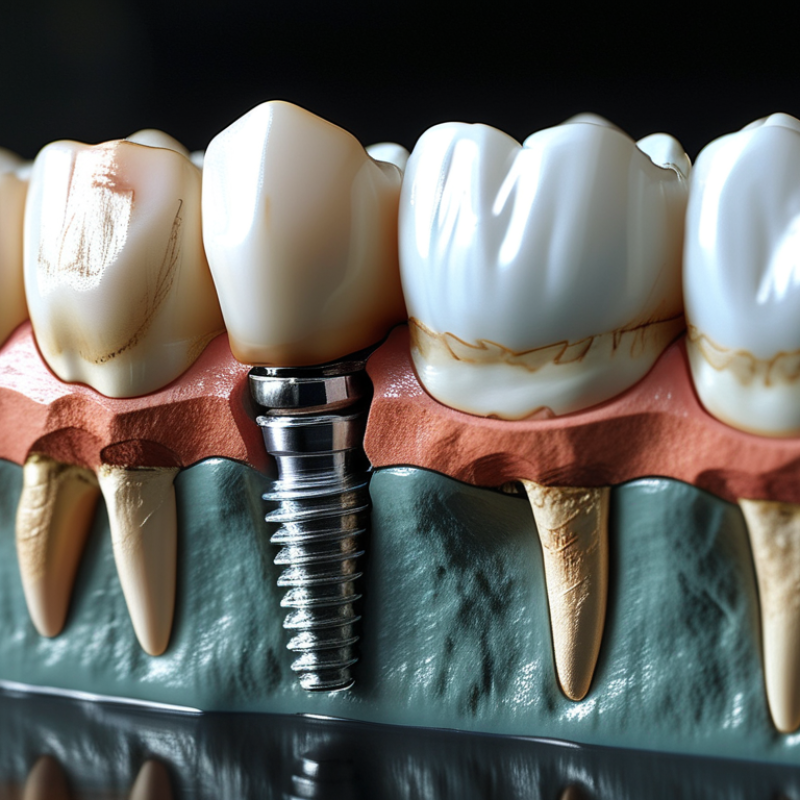
Osseointegration is a crucial process where bone attaches to the surface of an implant. This connection is vital for the stability of dental implants, orthopedic devices, and prosthetics. Strong osseointegration ensures that implants can function correctly, providing both support and comfort to patients. Research shows that around 90% of dental implants integrate successfully within three to six months. However, factors such as patient health, implant surface properties, and surgical technique play significant roles in the success rate of osseointegration.

The significance of osseointegration cannot be overstated. It enhances the longevity of the implant and improves the quality of life for patients by restoring function. A study published in the Journal of Bone and Joint Surgery noted that successful osseointegration directly correlates with lower rates of revision surgeries. Still, some challenges remain. In certain cases, complications such as insufficient bone quality or infection might hinder integration. Continuous research is necessary to develop better materials and methods that promote this critical biological bond. Awareness and understanding of these factors can lead to improved patient outcomes and satisfaction.

The Biological Mechanisms Behind Osseointegration

Osseointegration is a critical process in modern dentistry and orthopedics. It refers to the direct structural and functional connection between living bone and the surface of a load-bearing implant. Understanding the biological mechanisms behind osseointegration is essential for improving implant success rates.

When an implant is inserted, a cascade of biological events occurs. Osteoblasts, the bone-forming cells, migrate to the implant surface. They begin to deposit minerals and collagen, establishing a bond between the bone and the implant. Research shows that around 30% of implant failures result from inadequate osseointegration. This highlights the importance of achieving a robust biological response. Variables such as surface texture and osseointegration time play significant roles. A study published in the *Journal of Biomedical Materials Research* indicated that rougher implant surfaces promote faster osseointegration compared to smoother surfaces.

The healing environment significantly influences osseointegration. Factors like the patient's health, bone quality, and even smoking can hinder the process. Poor bone quality leads to insufficient blood supply, resulting in delayed healing. Research indicates that patients with diabetes have a 50% higher risk of implant failure due to compromised osseointegration. Creating a standardized protocol for enhancing osseointegration can lead to improved clinical outcomes, requiring ongoing review and adaptations in technique. Exploring these biological pathways can help practitioners refine their methods and achieve better results over time.

Factors Influencing Successful Osseointegration

Osseointegration is crucial for the success of dental implants and prosthetics. Several factors can influence how well this process occurs. One key element is the quality of the bone. Strong, healthy bone supports better integration. Conversely, weak or compromised bone may hinder this crucial connection.

Another important factor is the surface of the implant. Textured surfaces often enhance osseointegration by providing more area for bone to attach. The timing of the loading phase also plays a role. Early loading can lead to complications, while delayed loading may foster a better bond.

Biological factors such as age and health status are significant as well. Younger individuals typically experience quicker healing. Those with chronic conditions may face delays in the osseointegration process. Lifestyle choices like smoking can further complicate matters. Each of these factors illustrates the complexity of achieving successful osseointegration. It requires careful consideration of individual circumstances and attentiveness to detail.

10 Essential Tips on Osseointegration and Its Importance

This chart represents the percentage influence of various factors on the success of osseointegration. Understanding these factors is essential for improving the outcomes of dental and orthopedic implants.

Clinical Applications of Osseointegration in Dentistry and Orthopedics

Osseointegration plays a crucial role in advancing dental and orthopedic practices. This biological process involves direct attachment between bone and an implant, allowing for improved stability and functionality. In dentistry, implants rely on osseointegration to restore missing teeth effectively. When done correctly, patients experience enhanced chewing ability and aesthetics.

In orthopedics, osseointegration has transformed prosthetic limb fitting. Surgeons can integrate the prosthesis directly into the bone. This technique provides better control and comfort for the user. However, achieving successful osseointegration is not always straightforward. Factors such as bone quality and patient health must be carefully assessed. Complications can arise, requiring ongoing evaluation and adjustments.

While osseointegration offers significant benefits, it is essential to approach each case with caution. Not every patient will respond positively. The variability in healing times and the body’s reaction can lead to unpredictable outcomes. Continuous research and experience in this field remain vital for improving procedures and enhancing patient care.

Challenges and Future Directions in Osseointegration Research

Osseointegration plays a crucial role in dental and orthopedic implants. However, several challenges impede its advancement. One significant obstacle is the body's biological response to foreign materials. The integration process can vary widely among individuals, complicating predictions of success rates. Factors like age, health conditions, and systemic diseases significantly impact outcomes, necessitating further exploration.

Research in osseointegration focuses on enhancing material properties. Bioactive coatings and 3D-printed implants are gaining attention. These innovations aim to improve the bonding between the implant and bone. However, regulatory hurdles slow the pace of translating research into clinical practice. Furthermore, the long-term stability of these materials remains unclear. As we progress, addressing these challenges is essential for improving patient outcomes.

Future directions in osseointegration research include personalized medicine. Tailoring treatments based on individual biological responses could enhance implant success. Additionally, understanding the cellular mechanisms involved in osseointegration is critical. This knowledge might lead to breakthroughs in improving integration rates. Despite the hurdles, the potential for advancements in this field is promising. The need for robust, replicable results continues to drive exploration and innovation.

FAQS

: What is osseointegration?

: Osseointegration is the connection between living bone and a load-bearing implant's surface. It is essential for implant success.

Why do implants fail?

About 30% of implant failures occur due to poor osseointegration. Insufficient biological response can lead to complications.

How does surface texture affect osseointegration?

Rougher implant surfaces promote faster osseointegration compared to smoother ones. More area for bone attachment is crucial.

What factors influence osseointegration?

Bone quality, implant surface, and patient health significantly affect osseointegration. Lifestyle choices also play a role.

How does health impact implant success?

Patients with diabetes face a higher risk of implant failure. Chronic health issues can hinder the osseointegration process.

Is age a factor in osseointegration?

Yes, younger individuals generally heal faster. Older age may lead to slower osseointegration and complicate outcomes.

Can smoking affect osseointegration?

Yes, smoking can hinder the healing process. Lifestyle choices like this require careful consideration for successful integration.

What is the importance of loading timing?

Early loading may cause complications, but delayed loading can foster a better bond. Timing is essential for success.

How can osseointegration be improved?

Standardized protocols and ongoing reviews of techniques can enhance osseointegration. Adaptation is key to obtaining better results.

What should practitioners focus on for better outcomes?

Practitioners need to refine methods based on biological pathways. Attention to detail and individual circumstances is crucial for success.

Conclusion

Osseointegration is a critical biological process where bone directly attaches to the surface of an implant, providing stability and support for dental and orthopedic applications. Understanding osseointegration involves exploring its definition and significance, as it serves as the foundation for successful implantation. The biological mechanisms behind this process entail complex cellular interactions that facilitate bone healing and integration with foreign materials.

Several factors influence successful osseointegration, including the implant's surface characteristics, the surgical technique employed, and the patient’s overall health. Clinical applications in dentistry and orthopedics showcase the importance of osseointegration in enhancing the longevity and effectiveness of implants. However, challenges remain, and ongoing research aims to address these issues and explore future directions to improve osseointegration outcomes. In summary, what is osseointegration and why is it important? It's essential for ensuring robust implant functionality and long-term patient satisfaction in various medical fields.

Oliver

Oliver

Oliver is a seasoned marketing professional with a wealth of expertise in driving brand awareness and engagement. With a deep understanding of our company's product offerings, he consistently delivers high-quality content that enriches our professional blog. His insights not only shed light on......