How Do Implants Restore Joint Function Effectively?

Time:2026-07-12 Author:Ethan
0%

Joint health is essential for maintaining an active lifestyle. As per a report by the World Health Organization, around 20% of older adults experience mobility challenges due to joint issues. This raises a critical question: how do implants help restore joint function?

Implants have become a common solution for joint restoration. They replace damaged cartilage and bone, offering structural integrity. In fact, studies show that over 90% of patients report improved function after receiving joint implants. However, outcomes can vary. Some patients may still experience discomfort or limited mobility, indicating the need for personalized treatment plans.

While implants present significant benefits, challenges remain. Factors such as age, activity level, and pre-existing conditions influence recovery. Understanding these variables is vital for optimizing results. Joint implants are not universally perfect. They require careful consideration and ongoing research to enhance their effectiveness in restoring joint function.
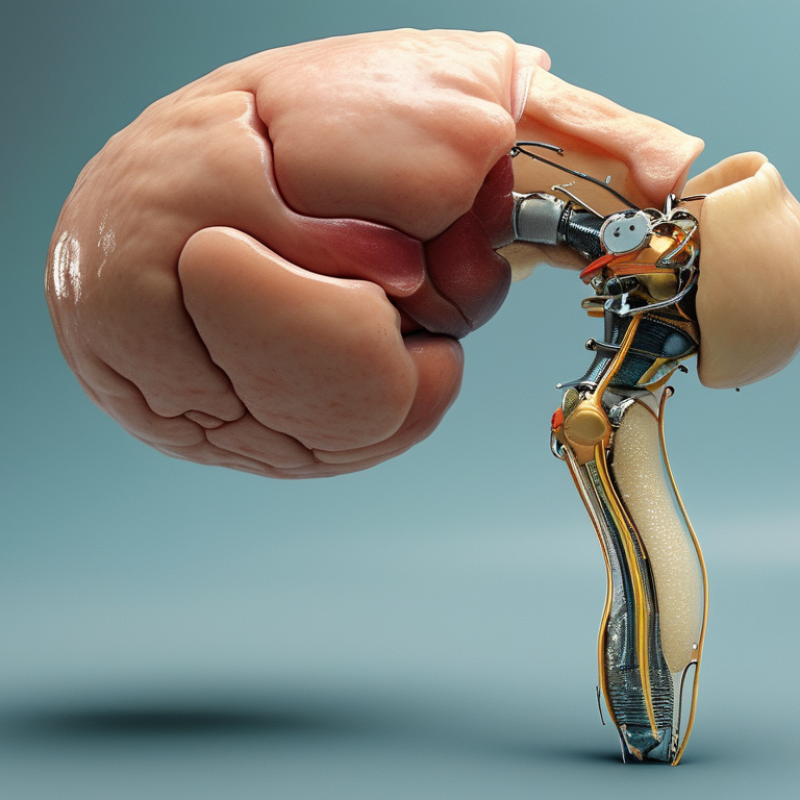
How Do Implants Restore Joint Function Effectively?

How Implants Improve Joint Function: A Comprehensive Overview

Joint implants play a pivotal role in restoring function effectively. These devices work by mimicking the natural structure of joints. They help alleviate pain and improve mobility. By supporting the skeletal system, implants enable patients to return to daily activities.

One significant aspect is the bioengineering behind implants. Materials used are often titanium or cobalt-chromium. These are lightweight yet strong, ensuring durability and compatibility with the body. This technology has evolved significantly, providing a range of options tailored to individual needs.

Tips for patients considering joint implants: always consult with a specialist. Understand the procedure fully. Research your options thoroughly. Recovery can be challenging, so set realistic expectations. The journey may include ups and downs, but steady progress is key. Engage actively in your rehabilitation to maximize outcomes. Stay positive and focused on your goals.

The Role of Biocompatible Materials in Joint Implants

Biocompatible materials play a crucial role in the success of joint implants. These materials, such as titanium, polyethylene, and ceramics, are designed to integrate with the body. According to a study by the Journal of Orthopedic Research, the failure rate of implants using biocompatible materials can be as low as 5% over ten years. This statistic highlights the effectiveness of these materials in restoring joint function.

Patients often experience reduced pain and improved mobility after surgery. Biocompatibility minimizes the risk of inflammation and rejection, making recovery smoother. Researchers have found that around 80% of patients report higher satisfaction levels with their implants. This is due, in part, to the careful selection of materials that closely mimic natural bone and cartilage properties.

Tips for choosing the right implant materials include consulting with orthopedic specialists. Ask about the longevity and compatibility of the materials. Keep in mind that while advancements have made implants more reliable, individual factors like age and activity level can affect outcomes. Understanding these nuances may lead to better-informed decisions. Engaging in open conversations with healthcare providers is vital for personalized care.

How Do Implants Restore Joint Function Effectively?

Success Rates of Joint Implants: Statistics and Case Studies

Joint implants have transformed the way we approach joint pain and function. Numerous studies show impressive success rates, often exceeding 90% in many cases. Both total knee and hip replacements consistently demonstrate significant improvements in mobility and pain reduction. These statistics are not just numbers; they represent real-life transformations for countless individuals.

However, success isn’t guaranteed for everyone. Some patients experience complications or dissatisfaction. A closer look at individual cases reveals a range of outcomes. While many thrive post-surgery, others face challenges. Factors like age, weight, and pre-existing conditions play critical roles. Successful implantation requires careful patient selection and ongoing assessment.

The blending of clinical expertise and patient experiences highlights the nuances of joint implants. Not every case leads to ideal results. Surgeons must evaluate each patient's unique situation. Continuous advancements in technology and materials aim to improve longevity and function. As researchers refine techniques, it’s clear that the journey toward optimal joint function is ongoing and requires collaboration between medical professionals and patients.

Rehabilitation Protocols Following Joint Implant Surgery

Rehabilitation following joint implant surgery is crucial for restoring mobility. After surgery, a structured rehabilitation protocol begins. Physical therapy is vital in guiding patients through exercises tailored to their capabilities. Aiming to reduce pain and swelling, these exercises gradually build strength and flexibility.

Each patient's recovery journey varies. Some may find simple movements challenging at first. Focusing on small, achievable goals helps maintain motivation. Regular sessions with trained professionals can provide not only guidance but also emotional support. Consistent feedback allows adjustments to the rehabilitation plan as needed. This adaptability is essential.

Monitoring progress is another important aspect. Tracking improvements fosters a sense of accomplishment. Yet, it's common to face setbacks. Patients should be encouraged to communicate openly about any difficulties. Understanding that recovery takes time can help manage expectations. Through a personalized approach, many patients successfully regain function, enabling them to return to regular activities.

Long-Term Outcomes and Maintenance of Joint Function Post-Implant

Joint implants are significant advancements in orthopedic medicine. They can greatly enhance mobility and reduce pain. However, understanding their long-term outcomes is vital for those considering the procedure. Proper maintenance is essential to ensure that joint function remains effective over time.

After receiving an implant, patients must engage in a consistent rehabilitation program. This helps strengthen the surrounding muscles and improve flexibility. Regular follow-ups with healthcare providers are crucial. These appointments can monitor the implant's condition and notate any concerns. Patients must also be proactive about their health. Staying active and maintaining a healthy weight can prolong the life of the implant.

Tips: Always listen to your body. If you experience pain or discomfort, reach out to your doctor. Nutrition also plays a role. A balanced diet rich in calcium and vitamin D can support bone health. Foster open communication with your medical team to address any doubts. Trusting their expertise can guide you in your recovery journey.

FAQS

: What are joint implants used for?

: Joint implants restore function by mimicking natural joint structures. They alleviate pain and improve mobility.

What materials are commonly used for joint implants?

Common materials include titanium and cobalt-chromium. They are lightweight, strong, and compatible with the body.

How important is patient consultation before getting an implant?

Consulting a specialist is crucial. Understanding the procedure can help set realistic expectations.

What should patients expect during recovery?

Recovery can be challenging and may include ups and downs. Steady progress is vital to regaining function.

Is rehabilitation necessary after receiving an implant?

Yes, engaging in a consistent rehabilitation program strengthens muscles and improves flexibility post-implant.

How can patients maintain joint function after surgery?

Regular follow-ups and active health management, like maintaining a healthy weight, are essential for long-term success.

What role does diet play in recovery from joint implant surgery?

A balanced diet rich in calcium and vitamin D supports bone health and can enhance recovery outcomes.

What should patients do if they experience discomfort after surgery?

Always listen to your body. If discomfort arises, reaching out to your doctor is crucial for guidance.

How often should patients have follow-up appointments?

Regular follow-ups with healthcare providers are important. These can help monitor the implant and address any concerns.

What mindset should patients adopt during their recovery?

Staying positive and focused on goals can significantly aid recovery. Engaging actively helps maximize outcomes.

Conclusion

Joint implants play a crucial role in restoring function to damaged joints, significantly improving patients' quality of life. How do implants help restore joint function? Firstly, modern implants are crafted from biocompatible materials that integrate well with the body, minimizing rejection and inflammation. Research indicates high success rates, underscoring the effectiveness of these devices in alleviating pain and enhancing mobility.

Following surgery, rehabilitation protocols are essential for optimizing recovery and ensuring long-term outcomes. Patients engage in structured rehabilitation to regain strength and movement, which contributes to sustained joint function post-implant. Overall, the combination of advanced materials, effective surgical techniques, and comprehensive rehabilitation protocols allows for successful restoration of joint function, enabling individuals to return to their daily activities with greater ease.

Ethan

Ethan

Ethan is a seasoned marketing professional with a deep expertise in our company's innovative product line. With a passion for sharing knowledge and insights, he takes the lead in regularly updating our corporate blog, where he explores industry trends, product features, and effective marketing......