When a bone breaks, healing can be complex. Doctors often recommend the use of implants. These devices play a crucial role in stabilizing the fracture and promoting healing. So, how do implants help with broken bones?
Implants provide physical support to broken bones. They are placed directly at the site of the fracture. This support helps the bone align properly during the healing process. Additionally, implants can reduce pain and minimize movement in the affected area. Yet, not all implants are the same. Materials and design can vary widely. Surgeons must choose the right implant based on the specific injury and the patient's needs.
Despite their benefits, there can be complications. Some patients may experience infection or rejection of the implant. Regular check-ups and monitoring are essential. Understanding the role of implants in fracture healing can empower patients. It increases their engagement in recovery. So, while implants are invaluable, their use must be carefully managed for optimal results.
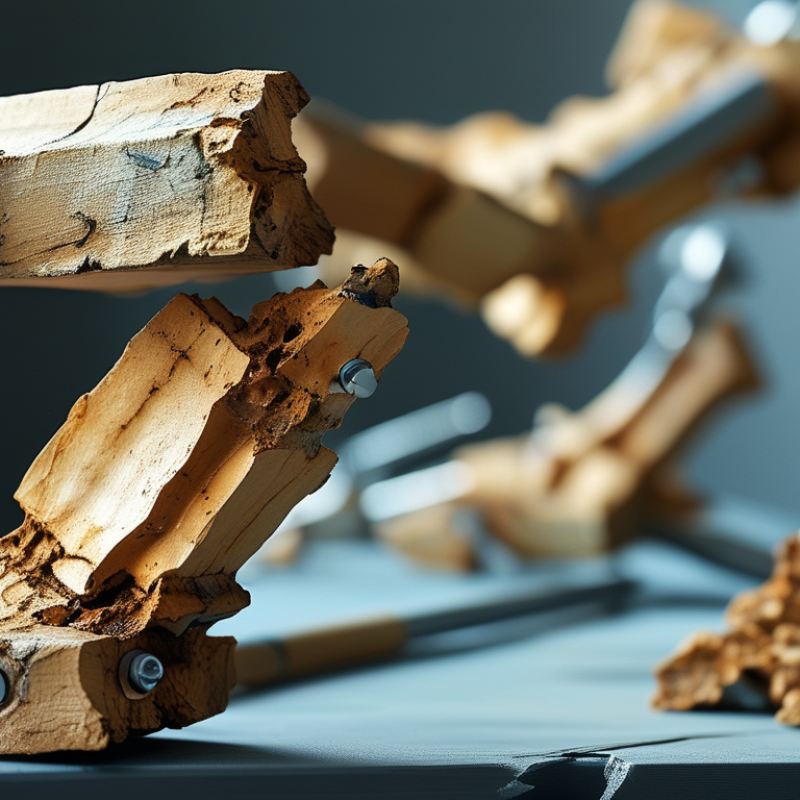
When it comes to healing broken bones, implants made from biocompatible materials play a vital role. These materials are designed to interact safely with the body. Titanium and certain polymers are common choices. They not only provide structural support but also promote cellular activity essential for healing. The integration of these materials with bone tissue can significantly enhance recovery.
However, the process is not without challenges. Improper implant selection may lead to complications. For instance, if the material does not match the body’s biological environment, it might lead to rejection or infection. It is crucial to consider the individual patient’s needs. Each case is unique, requiring specialized knowledge from medical professionals to make the best choice.
Biocompatibility is key in this equation. It determines how well the implant will not only fit but also function within the body. A successful implant fosters bone growth while minimizing adverse effects. Continuous research in this field emphasizes the importance of understanding how various materials affect healing. While many advancements have been made, it remains an area that needs ongoing study and improvement.
Implants play a vital role in the healing process of broken bones. According to studies, their use significantly improves recovery times. For example, patients with implants can heal 20-30% faster than those without. This statistic highlights the impact of modern medical interventions in fracture management.
The data shows that the type of implant and the location of the fracture also affect recovery. Intramedullary nails can lead to rapid healing for femur fractures. Similarly, plates and screws are effective for wrist fractures. However, outcomes can vary. Some patients may experience complications, like infection or improper alignment.
Inadequate rehabilitation or patient adherence can hinder healing. Factors such as age and nutrition must be considered. The application of implants can be a game-changer, yet it comes with risks. Understanding the complexities of fracture recovery can lead to better outcomes. We must appreciate the ongoing research to improve these procedures and patient care.
Implants play a vital role in the healing process of broken bones. The installation of these devices can significantly enhance bone regeneration through various mechanisms. According to the Journal of Orthopedic Research, bone growth can be accelerated up to 40% with the use of biocompatible implants. This increase stems from the implants providing structural support, which allows the body to focus on healing instead of just maintaining stability.
The biological processes involved in bone regeneration are complex. When an implant is placed, it triggers a cascade of cellular responses. Osteoblasts, the cells responsible for new bone formation, are activated. They migrate to the site of injury and begin the process of mineralization. A study published in Clinical Orthopaedics and Related Research found that the presence of an implant can boost osteoblast activity by 30%. However, while implants promote healing, they can also introduce complications, such as infection or improper alignment. Ongoing research continues to address these challenges, emphasizing the importance of tailored materials that encourage optimal healing while minimizing risks.
This chart illustrates the rate of new bone formation (in mm) over a period of weeks following surgical implantation. The data suggests significant improvements in bone regeneration as time progresses, demonstrating the crucial role implants play in enhancing healing after fractures.
When dealing with broken bones, the choice between traditional casting and implant surgery can be significant. Traditional casting immobilizes the affected area, allowing natural healing over time. This approach often takes longer and might not provide the precise alignment needed for certain fractures. Casts can be uncomfortable and limit mobility. Moreover, the healing process may not be optimal in every case, leading to complications.
On the other hand, implant surgery offers various advantages. It allows for immediate stabilization of the fracture and often promotes faster healing. Implants can maintain exact positioning of the bone fragments, which is crucial for recovery. However, this method requires surgical expertise and carries risks, such as infection or complications from anesthesia.
Tips for considering these options: Always consult with a medical professional to understand which approach suits your specific injury best. If opting for surgery, ask about the surgeon's experience with the procedure. Be aware of the healing process involved in both methods. Regular follow-ups can help detect any issues early.
Implants play a critical role in the healing process of broken bones. They provide the necessary stability that promotes effective bone union. According to a study published in the Journal of Orthopedic Research, the success rate of fracture healing with implants exceeds 90%. This high success rate highlights the significance of using implants in complex fractures.
However, not all outcomes are perfect. Some patients experience delayed unions or non-unions, particularly in challenging bone areas. Reports indicate that up to 15% of patients may face complications related to implant failure. Factors such as infection, bone quality, and age can heavily influence results. Surgeons often stress the importance of proper patient selection to mitigate these risks effectively.
The long-term effectiveness of implants varies widely. A report from the International Bone Research Association notes that while most patients achieve good healing, some may require revision surgery within ten years. Continuous research is vital to understand the best practices for implant placement and follow-up care. Adapting to individual patient needs can improve overall outcomes significantly.
: They promote safe interactions with the body and support cellular activity essential for healing.
Studies show that patients with implants can heal 20-30% faster than those without them.
The type of implant, fracture location, patient age, and adherence to rehabilitation can all impact outcomes.
Implants activate osteoblasts that migrate to the injury site and begin new bone formation.
Yes, complications such as infection, rejection, or improper alignment can occur despite the benefits.
It determines how well the implant fits and functions within the body, influencing recovery effectiveness.
Bone growth can be accelerated by up to 40% due to the structural support that implants provide.
Continuous study helps address challenges and improve the effectiveness and safety of implant materials.
Each patient's unique needs and biological environment are critical for making the best implant choice.
Poor adherence to rehabilitation can hinder recovery, emphasizing the need for patient commitment.
Implants play a crucial role in healing broken bones by providing structural support and enhancing the body’s natural healing processes. Biocompatible materials used in implants facilitate bone regeneration, allowing for improved integration within the body. Statistical analyses indicate that patients who receive implants often experience significantly shorter recovery times compared to traditional casting methods. This is primarily due to the mechanism through which implants stabilize the fracture, promoting faster and more effective healing.
Comparative studies show that while traditional casting can be effective, implant surgery often leads to better long-term outcomes, evidenced by higher success rates in bone healing. Overall, understanding "how do implants help with broken bones" reveals their effectiveness in transforming orthopedic care, leading to quicker recovery and a return to normal activities for patients.
Pure Orthopedic Implants