Traveling can be stressful for anyone, especially for those with orthopedic implants. A primary concern is whether these implants set off metal detectors. Dr. Emily Johnson, an orthopedic surgeon with over 15 years of experience, states, "Most orthopedic implants are designed to be non-ferromagnetic and usually do not trigger alarms." This insight reflects the advancement in implant technology.
However, experiences may vary widely among individuals. The type of metal used in the implant can influence detection. Some patients report alarms sounding, leading to unnecessary delays. In airports, metal detectors are sensitive, which raises questions for many travelers. A simple trip through security can quickly turn into an anxiety-filled experience.
Understanding how orthopedic implants interact with security systems is essential for travelers. While many implants shouldn't set off alarms, testing can be inconsistent. Awareness can help individuals prepare for potential screening challenges. This highlights the need for ongoing communication between patients and healthcare providers to ensure a smoother travel experience. The question remains: Do orthopedic implants set off metal detectors? Each case is unique, underscoring the importance of personalized advice and preparation.
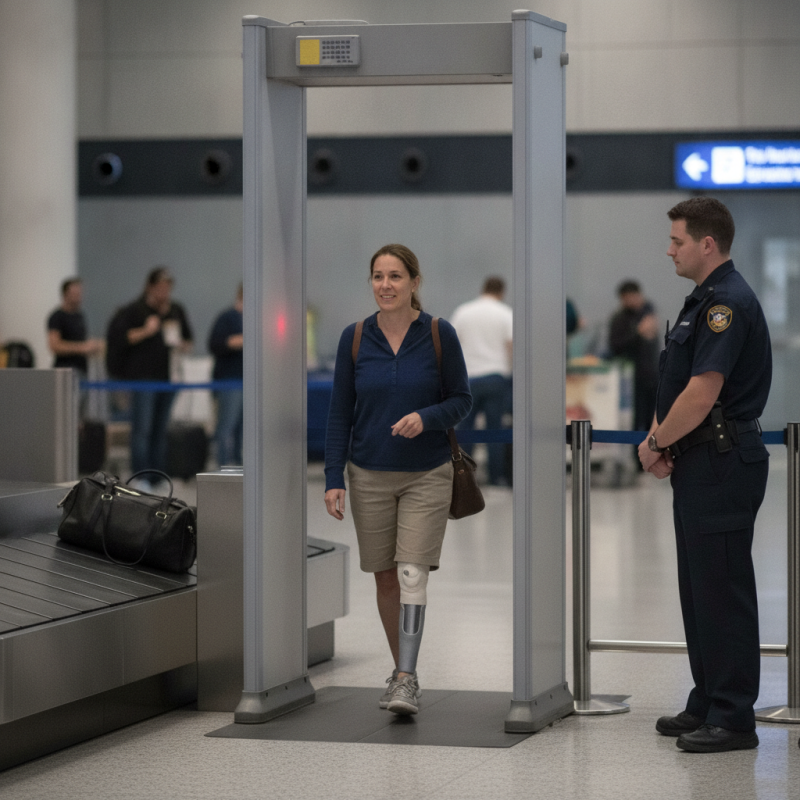
Orthopedic implants are crucial in modern medicine. They help restore mobility and relieve pain for many patients. According to the American Academy of Orthopaedic Surgeons, about 1.5 million joint replacement surgeries occur annually in the United States alone. Implants made from materials like titanium and stainless steel can significantly enhance a patient's quality of life.
Despite their benefits, concerns arise regarding the interaction of these implants with metal detectors during travel. Recent studies indicate that around 90% of modern orthopedic implants are designed to be non-ferrous and are less likely to trigger metal detectors. However, this does not apply universally. Some patients may still experience alerts, especially if the implant contains a higher metal content. Airport screening procedures can vary, causing frustration and confusion for travelers with implants.
While developments in implantation technology have improved, patients must remain informed. It's crucial to carry medical documentation during travel. This documentation can explain the presence of implants, aiding in communication with security personnel. Awareness is key, as personal experiences may differ. What works for one traveler might not work for another, emphasizing the need for preparedness in this evolving landscape of medical technology and travel.
| Implant Type | Common Material | Magnetism | Metal Detector Trigger |
|---|---|---|---|
| Hip Replacement | Titanium, Cobalt-Chromium | Non-magnetic | No |
| Knee Replacement | Stainless Steel, Titanium | Partially magnetic | May trigger |
| Spinal Implants | Titanium, PEEK | Non-magnetic | No |
| Dental Implants | Titanium | Non-magnetic | No |
| Plate and Screw Fixation | Stainless Steel | Magnetic | Yes |
: Many orthopedic implants do not trigger alarms in security detectors.
Titanium implants are less likely to activate metal detectors due to their non-ferromagnetic properties.
Stainless steel implants may be detected more often due to their magnetic properties compared to titanium.
Approximately 90% pass through security without issues, but some still trigger alarms.
Yes, a doctor's note or medical card can ease detection-related concerns during security checks.
Notify security staff about your implant in advance to minimize delays during screening.
Yes, detection technology varies, and some systems, like handheld detectors, may be more sensitive.
Yes, implants near the skin's surface are more likely to be detected than those deeper within the body.
Regulations regarding medical devices can vary by country, leading to potential misunderstandings.
Stay informed about how your implant interacts with security systems, and prepare documentation accordingly.
The article "Do Orthopedic Implants Trigger Metal Detectors During Travel?" provides a comprehensive overview of the interaction between orthopedic implants and metal detection technology commonly used in airports. It begins by detailing the various types of orthopedic implants used in medical treatments, followed by an explanation of how metal detectors function in security settings. A key focus is on whether orthopedic implants set off metal detectors, highlighting that while most implants contain enough metal to be detected, their response can vary based on the type and size of the implant.
Factors influencing metal detector responses include the sensitivity settings of the detectors and the implant's composition. The article also offers practical travel tips for individuals with orthopedic implants, advising them to inform security personnel before screening and considering medical documentation to facilitate a smoother travel experience. By understanding these elements, travelers with orthopedic implants can better prepare for their journey and minimize any potential issues at security checkpoints.

 Pure Orthopedic Implants