Dental implants are a popular solution for missing teeth, but many patients experience issues over time. "What causes implants to become loose over time?" is a question often asked by these individuals. Dr. Emily Harper, a renowned dental implant specialist, states, "Understanding the reasons behind implant loosening can help patients maintain their oral health."
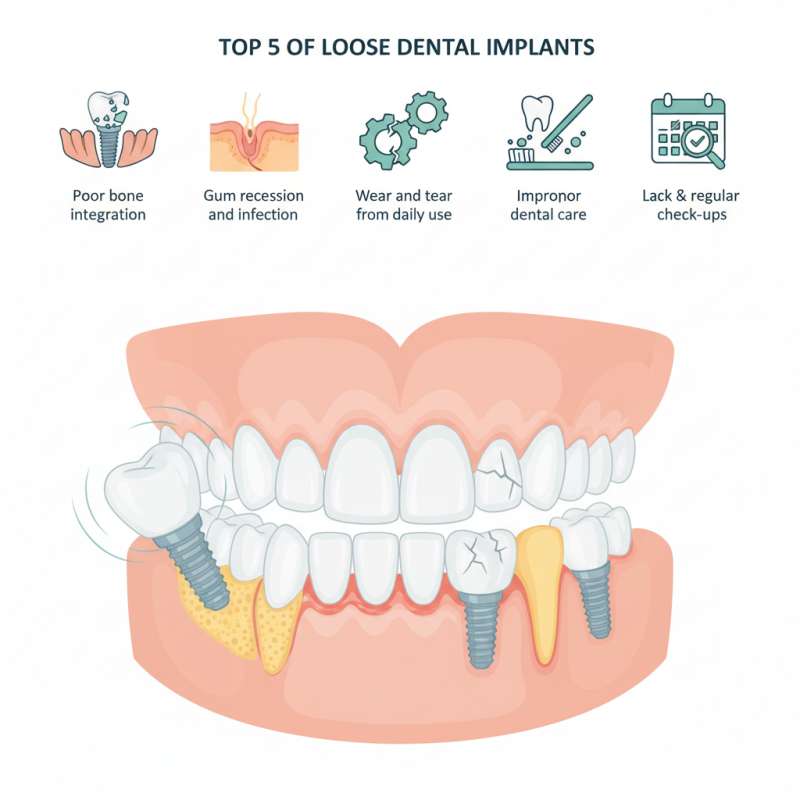
Several factors contribute to loosening implants. Poor bone integration is one prominent cause. Implants rely on strong support from surrounding bone. If the bone does not integrate well, the implant can become unstable. Additionally, gum recession and infection can lead to complications, affecting the stability of the implant.
Another critical aspect involves the wear and tear from daily use. Patients may underestimate the impact of grinding teeth or improper dental care. This everyday wear can lead to movement or loosening over time. Regular check-ups and proper maintenance are essential in preventing these issues. Patients should be aware that even well-placed implants can face challenges. Addressing these concerns early can ensure the longevity of the implants and promote overall dental health.
Factors Contributing to Implant Loosening Over Time
Implants often face the risk of loosening over time. Several factors contribute to this issue. One significant factor is bone quality. Poor bone density can prevent adequate osseointegration, which is the process where the implant fuses with the bone. Research indicates that up to 30% of patients with osteoporosis may experience implant failure.
Another vital aspect is the way the implant is placed. A study from the Journal of Oral Implantology highlights that improper alignment during surgery can cause unnecessary stress on the surrounding bone. This misalignment can lead to early loosening, affecting up to 15% of patients.
Patient habits also play a crucial role. Smoking, for instance, significantly impacts healing and integration. According to the American Academy of Implant Dentistry, smokers are three times more likely to experience complications. Moreover, inadequate oral hygiene can accelerate plaque buildup, increasing the risk of peri-implantitis, which can lead to implant loosening. Frequent dental check-ups help catch these issues early.
The Role of Bone Loss in Implant Stability
Bone loss is a critical factor in the stability of dental implants. When the jawbone deteriorates, it can't support the implant properly. This can lead to wobbling or even complete failure of the implant. Factors like periodontal disease, aging, and inadequate bone density play a significant role in this issue. As the bone recedes, the connective tissue weakens, causing the implant to lose its grip.
To prevent such scenarios, patients should maintain good oral hygiene. Regular dental check-ups help address any potential bone loss early. Additionally, consider bone grafting if significant bone loss has occurred. This procedure enhances bone density, offering a sturdier foundation for the implant.
Another important aspect is nutrition. A diet rich in calcium and vitamin D can promote healthy bone density. Engaging in weight-bearing exercises also strengthens the jawbone over time. Be proactive about your dental health. The stability of your implants depends heavily on a solid foundation.
Impact of Infection on Implant Integrity
Infections around dental implants can significantly compromise their stability. When bacteria infiltrate the gum tissue, they trigger inflammation. This process can disrupt the bond between the implant and the bone. Over time, this weakens the overall foundation of the implant. Signs of infection often include swelling, pain, and persistent bad breath.
Regular dental check-ups are crucial for monitoring implant health. If an infection goes untreated, it can lead to implant failure. Patients should recognize that good oral hygiene is key in preventing these issues. Proper brushing, flossing, and using antiseptic mouthwash can help keep bacteria at bay.
It's important to reflect on the risks associated with dental implants. While they are a common solution, they are not without complications. Awareness of potential infections and their impacts can guide better choices. Fostering a partnership with dental professionals can enhance long-term success, promoting healthier outcomes.
Top 5 Reasons Implants Become Loose Over Time
This chart illustrates the impact of infection on implant integrity, highlighting the five major reasons leading to implant loosening.
Effects of Excessive Force on Implants
Excessive force applied to dental implants can lead to several issues over time. The implant itself can become loose, which often poses challenges for functionality and comfort. Chewing hard foods, grinding teeth, or clenching jaws can exert unnecessary pressure. This consistent strain causes the surrounding bone and tissue to weaken. Consequently, the implant might lose its secure foundation.
It's essential to recognize that human behavior directly impacts implant stability. Patients may unconsciously apply too much force during daily activities. Habits developed over time can be difficult to change, which complicates treatment. Regular check-ups with dental professionals can help monitor these forces. Adjustments to the implant or oral care routine might be necessary based on individual habits and conditions.
The interplay between oral health practices and implant integrity is crucial. A lack of awareness about one's biting habits can lead to complications. This awareness is the first step to prevention. Being mindful of force application can foster better long-term results for implants. Exploring options or therapies to improve those habits is important for patients with dental implants.
Material Fatigue and Its Influence on Implant Longevity
Implant longevity is significantly affected by material fatigue. This degradation can lead to implants becoming loose over time. According to a recent study published in the Journal of Biomedical Engineering, nearly 30% of implants experience some form of material fatigue within a decade. This statistic emphasizes the need for awareness among patients and practitioners alike.
Material fatigue occurs due to repetitive mechanical stress. This stress can come from normal daily activities, such as eating, speaking, or even grinding teeth. For example, titanium, commonly used for implants, demonstrates a gradual decline in load-bearing capacity. Researchers have found that even with quality materials, microfractures can begin to form after years of use. These microscopic changes can eventually lead to significant issues.
Moreover, design flaws in certain implants can also contribute to premature loosening. The geometry and surface texture of an implant play crucial roles. A recent report indicated that up to 50% of design flaws are undetected until post-implantation failure occurs. This highlights a gap in preclinical testing. Understanding material fatigue and its implications is essential for improving implant durability. Frequent check-ups can aid in early detection and potential intervention.
Top 5 Reasons Implants Become Loose Over Time
| Reason |
Description |
Impact on Longevity |
| Material Fatigue |
Repeated stress can weaken the implant materials over time. |
Significantly reduces the lifespan of implants. |
| Micro-Movement |
Small movements caused by function can lead to loosening. |
Can significantly compromise stability and function. |
| Inadequate Osseointegration |
Poor integration with the bone can lead to instability. |
May require revision surgery. |
| Excessive Load |
Too much force can over-stress the implant. |
Leads to faster breakdown of materials. |
| Environmental Factors |
Changes in oral health can impact implant stability. |
Can contribute to loosening over time. |
FAQS
: Bone loss can prevent proper support for the implant, leading to wobbling or failure.
Maintaining good oral hygiene and having regular dental check-ups can help.
Bone grafting enhances bone density, providing a better foundation for implants after significant bone loss.
Infections can disrupt the bond between the implant and bone, leading to instability and potential failure.
Swelling, pain, and persistent bad breath often indicate an infection.
Good hygiene helps prevent infections that can compromise implant stability.
Excessive force can make the implant loose and weaken the surrounding bone and tissue.
Chewing hard foods or grinding teeth can put unnecessary pressure on the implants.
Regular check-ups can help monitor habits and make necessary adjustments.
Unconscious habits can complicate treatment. Awareness is essential for prevention.
Conclusion
Implants are vital in dental and orthopedic procedures, but understanding what causes implants to become loose over time is crucial for ensuring their longevity. Several factors contribute to this issue, including bone loss, which decreases stability and can lead to loosening. Additionally, infections surrounding the implant site can compromise integrity, making the implant vulnerable to failure.
Excessive force applied to implants, possibly due to improper bite alignment or high-stress activities, can also result in loosening over time. Furthermore, material fatigue, the gradual weakening of implant materials through repeated stress, plays a significant role in reducing their lifespan. A comprehensive understanding of these factors can help in effectively managing and mitigating implant loosening, ultimately promoting better long-term outcomes for patients.

 Pure Orthopedic Implants