Top 5 Risks of Orthopedic Implants You Should Know?

Time:2026-05-05 Author:Ethan
0%

Orthopedic implants play a crucial role in modern medicine, helping to restore function and alleviate pain. However, they also come with risks that patients should be aware of. Dr. Jane Mitchell, an orthopedic surgeon with over 15 years of experience, states, "What are the most common risks of orthopedic implants? Infection is one of the top concerns."

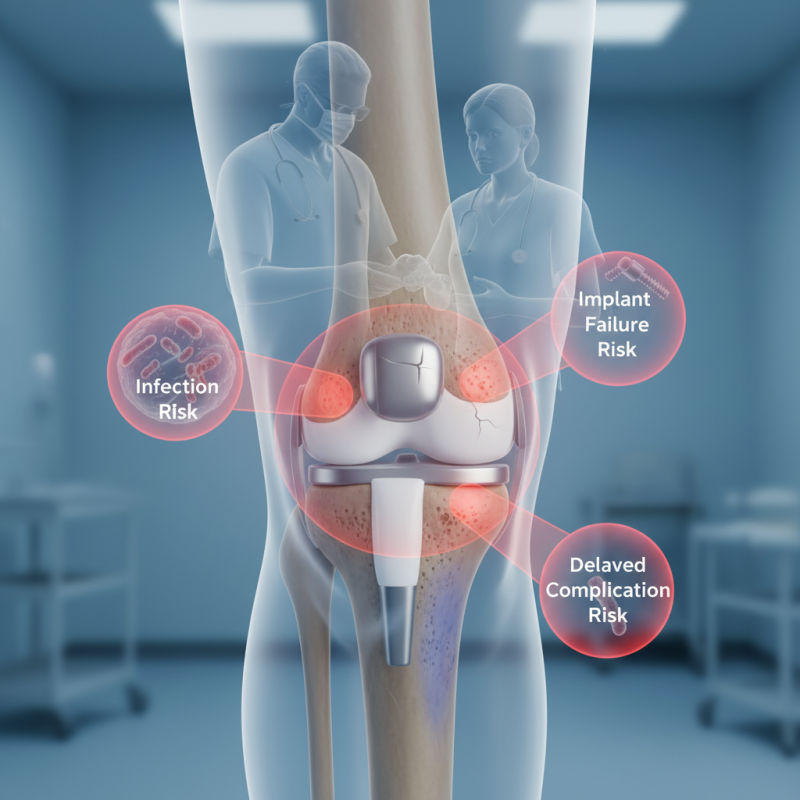
Infections can pose serious health threats post-surgery. They may lead to prolonged recovery times or even removal of the implant. Another risk is implant failure, which can result from various factors, including patient health and activity levels. Patients need to understand these risks fully before undergoing surgery.

Moreover, some risks may not be immediately apparent until after the procedure. This emphasizes the need for thorough consultations with experienced healthcare professionals. Being informed helps patients make better choices about their orthopedic health. Awareness of potential complications can lead to more successful outcomes and improved peace of mind.
Top 5 Risks of Orthopedic Implants You Should Know?

Overview of Orthopedic Implants and Their Uses

Orthopedic implants are medical devices used to support, enhance, or replace damaged joints and bones. They are commonly utilized in surgeries for joint replacements, fracture repairs, and spinal stabilization. These implants are usually made from materials like metals, ceramics, or plastics, selected for their durability and biocompatibility. Surgeons assess the individual needs of patients before choosing the right implant for specific conditions.

Despite their benefits, orthopedic implants carry risks that require careful consideration. For instance, infections can occur post-surgery, sometimes complicating recovery. There's also the potential for implant failure due to factors like wear and environmental stress. Patients might experience allergic reactions to materials in the implants, leading to discomfort or more serious complications. The body's reaction to foreign bodies varies greatly among patients. Continuous monitoring is essential to identify any long-term issues that may arise after surgery.

In today's medical landscape, understanding how orthopedic implants work is crucial. Knowledge acts as a foundation, enabling patients to participate in their own care pathway. By engaging with healthcare professionals and research, individuals can cultivate a sense of ownership over their health decisions. This encourages proactive responses to the challenges posed by orthopedic implants.

Top 5 Risks of Orthopedic Implants You Should Know

This chart illustrates the top five risks associated with orthopedic implants, highlighting the percentage of occurrence for each risk based on various studies and patient reports.

Common Types of Orthopedic Implants and Procedures

Orthopedic implants are vital in modern surgeries. They help restore mobility and functionality. Common types include joint replacements, screws, and plates. According to the American Academy of Orthopaedic Surgeons, approximately 1 million knee replacements occur annually in the U.S. This highlights the widespread use of such implants.

While effective, these devices are not without risks. Surgical site infections and implant failure are significant concerns. Data from the National Institutes of Health suggests that about 1 in 100 patients may experience an infection after surgery. These complications can lead to prolonged recovery times and additional procedures, which can be distressing for patients.

It’s essential to understand the types of procedures associated with these implants. Total hip replacement is another common procedure, with around 450,000 surgeries performed yearly in the U.S. Improper technique or material might lead to serious issues. Ongoing research is crucial to enhance patient outcomes and implant reliability. Each implant type requires careful consideration regarding risks and benefits.

Potential Risks Associated with Surgical Procedures

Surgical procedures involving orthopedic implants carry inherent risks that patients must understand. Infections are among the most notable concerns. An infection can develop around the implant, leading to severe complications. Symptoms might include swelling, redness, or unexpected pain. Prompt recognition is vital, as untreated infections can spread and require further surgery.

Another significant risk is implant failure. This can happen due to various reasons, such as mechanical stress or biological incompatibility. When an implant fails, it can lead to prolonged discomfort and the need for revision surgery. Not all patients respond the same way to the materials used, highlighting the unpredictable nature of implants.

Additionally, blood clots are a serious risk after surgery. These clots can form in the veins, especially in the legs, and can travel to the lungs. This condition, known as pulmonary embolism, can be life-threatening. Patients must remain vigilant and follow post-operative care instructions to minimize this risk. Each of these risks emphasizes the complex reality of surgical interventions in orthopedics.

Infection Risks and Prevention Strategies for Implants

Infection risks associated with orthopedic implants are a significant concern for patients and healthcare providers alike. After surgery, the risk of infection remains. This can lead to severe complications and prolonged recovery. Common symptoms include redness, swelling, and fever. Early detection is vital for effective treatment.

Preventing infections requires meticulous care. Patients should maintain proper hygiene before and after surgery. Surgical sites must be kept clean and dry. Following medical advice about post-op care is essential. Recovery can be slower for some, which is frustrating. Understanding your body and its response to implants is crucial.

Here are some tips to minimize infection risk:

- Always wash hands before touching the surgical area.
- Follow prescribed antibiotic regimens carefully.
- Attend all follow-up appointments to monitor healing.

Communicating openly with your healthcare provider enhances safety. Ask questions about your procedure and recovery process. Recognizing the signs of infection early is a must. Each patient's experience is unique, and addressing concerns can lead to better outcomes.

Complications Related to Implant Longevity and Performance

Orthopedic implants are designed to improve mobility and quality of life. However, they come with risks related to longevity and performance. One common complication is implant wear and tear over time. This can lead to discomfort or pain. In some cases, patients may experience decreased joint function as the implant ages.

It is crucial to monitor any changes in symptoms closely. Regular check-ups with your healthcare provider are essential. If you notice unusual pain or swelling, seek medical advice promptly. Early detection can prevent further complications.

Tips: Maintain a healthy weight. Excess weight puts extra stress on your joints. Strengthening your muscles around the implant can enhance stability. Stay active but avoid high-impact activities that could compromise your implant's integrity. Remember, every individual’s body reacts differently, and what works for one person might not work for another. Be proactive in your care and listen to your body’s signals.

Top 5 Risks of Orthopedic Implants You Should Know

Risk Factor Description Possible Complications Mitigation Strategies
Infection Infection at the implant site can lead to serious complications and implant failure. Chronic pain, prolonged recovery, or sepsis. Antibiotic prophylaxis, maintaining sterile techniques during surgery.
Implant Failure Failure of the implant due to mechanical issues or wear. Pain, loss of mobility, or the need for revision surgery. Regular follow-ups, choosing appropriate materials.
Allergic Reactions Some patients may have allergic reactions to implant materials. Inflammation, pain, and potential implant removal. Careful material selection and pre-operative screening.
Loosening Loosening of the implant over time due to biological or mechanical factors. Instability, pain, and the necessity for surgery. Optimal fixation techniques and patient education on activity levels.
Bone Loss Bone can weaken around the implant, leading to complications. Fractures, implant instability. Bone health optimization and monitoring.

FAQS

: What are orthopedic implants used for?

: Orthopedic implants support, enhance, or replace damaged joints and bones. They are common in surgeries.

What materials are orthopedic implants made from?

They are usually made from metals, ceramics, or plastics. These materials are chosen for durability and compatibility.

What risks are associated with orthopedic implants?

Risks include infections, implant failure, and allergic reactions. Complications can affect recovery and long-term health.

How can patients minimize infection risks after surgery?

Maintain hygiene, keep the surgical area clean, and follow medical advice. Early detection of symptoms is essential.

What symptoms indicate a potential infection?

Look for redness, swelling, or fever around the surgical site. Prompt treatment is crucial to avoid complications.

How does implant failure occur?

It may happen due to mechanical stress or biological incompatibility. The body's reaction can vary, leading to unpredictability.

Why is post-operative monitoring important?

Continuous observation helps identify long-term issues with implants, ensuring timely intervention if problems arise.

What should patients know about blood clots after surgery?

Blood clots can form in veins and cause serious conditions like pulmonary embolism. Awareness is key for prevention.

How can patients engage in their own care pathway?

Understanding implants helps patients make informed health decisions. Engage with healthcare professionals for better outcomes.

What challenges might patients face during recovery?

Recovery can be slow and frustrating. Each body reacts differently, impacting the healing process and experience.

Conclusion

Orthopedic implants play a crucial role in various surgical procedures aimed at restoring mobility and alleviating pain in patients with musculoskeletal issues. They encompass a range of devices, such as screws, plates, and joint replacements, designed to provide structural support to bones and joints. However, it is essential for patients to understand what are the most common risks of orthopedic implants, which include potential complications associated with the surgical procedures themselves, such as anesthesia reactions and bleeding.

Additionally, infection risks are a significant concern, necessitating proper prevention strategies, including antibiotic prophylaxis and rigorous sterilization protocols during surgery. Long-term complications can also arise, such as implant failure or wear over time, which may require additional surgeries for correction or replacement. Therefore, patients should be informed about these risks and engage in thorough discussions with their healthcare providers to ensure informed decisions regarding their treatment options.

Ethan

Ethan

Ethan is a seasoned marketing professional with a deep expertise in our company's innovative product line. With a passion for sharing knowledge and insights, he takes the lead in regularly updating our corporate blog, where he explores industry trends, product features, and effective marketing......