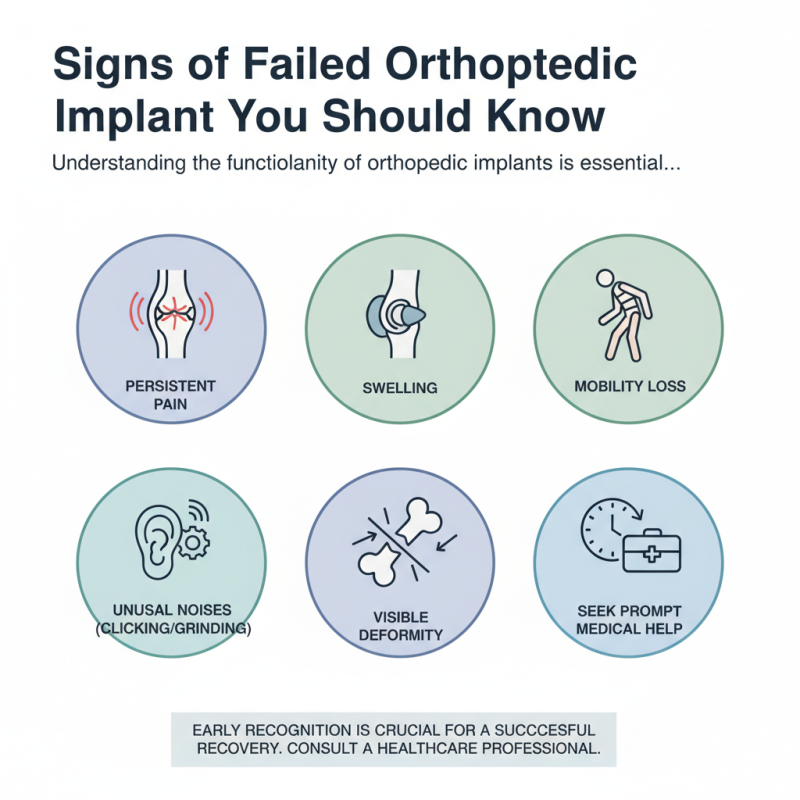
Understanding the functionality of orthopedic implants is essential for patients undergoing surgery. However, there are risks involved with any medical procedure. What are the signs of a failed orthopedic implant? Recognizing these signs is crucial for a successful recovery. Symptoms can vary, often leading to confusion.
Patients may experience persistent pain at the surgical site. This pain can worsen over time, indicating potential issues. Swelling around the implant may also occur, suggesting complications. Some patients report mobility loss that can be alarming. Others may notice visible deformities near the implant area.
Additionally, unusual noises from the implant site, such as clicking or grinding, can signal problems. If you notice these symptoms, consult a healthcare professional promptly. This proactive approach can prevent serious complications. Being aware of the signs is crucial. It's a matter of monitoring your body and seeking help when something feels off. Remember, awareness leads to timely intervention.
Orthopedic implants are vital for improving mobility and quality of life. They are used in surgeries to support bones or joints. Understanding their types and functions is essential for patients. Common implants include screws, plates, and joint replacements. Each serves a specific purpose, ensuring stability and support.
It's crucial to remain vigilant after an implant procedure. Some signs may indicate issues. Symptoms like unusual pain, swelling, or inflammation can suggest a problem. Regular follow-ups with healthcare professionals help monitor the implant’s performance.
Tips: Always keep track of any discomfort. Record changes in your mobility. This information aids your doctor in addressing potential issues quickly. Never hesitate to seek a second opinion if something feels off. Your health and well-being deserve close attention. Trust your instincts regarding any abnormal sensations. An informed patient is a safer patient.
When experiencing orthopedic implants, it's crucial to be aware of potential failure signs. Pain that persists beyond recovery is a common indicator. It can signify an underlying issue with the implant or surrounding tissue. If the discomfort intensifies during movement, it’s essential to seek professional advice.
Swelling around the implant site can also be alarming. This swelling may be coupled with redness or warmth. Such symptoms often indicate inflammation or infection. Ignoring these signs may lead to further complications. Patients should monitor any changes in mobility as well. A sudden decrease in the range of motion may indicate implant misalignment or other issues.
Uneven wear or instability of the joint can lead to a feeling of looseness in the implant. This sensation is concerning and requires immediate attention. Regular follow-ups with healthcare providers can help catch these problems early. Open communication about any symptoms is vital for effective management. Maintaining a proactive approach can lead to better outcomes and more reliable implants.
Orthopedic implants can fail for various reasons, and understanding these factors is crucial for patients and healthcare providers. One significant contributor is poor surgical technique. If the implant is not positioned accurately, it can lead to improper load distribution. This misalignment might result in excessive wear or even fracture over time.
Another critical factor is patient-related issues. Some individuals may not comply with rehabilitation protocols, leading to inadequate healing. Pre-existing conditions, such as diabetes or osteoporosis, can also compromise bone integration. These underlying health problems may weaken the stability of the implant.
Mechanical failure can stem from material fatigue. Implants must withstand forces during everyday activities. Repeated stress can cause microscopic cracks, ultimately leading to failure. Signs of a failed implant can include persistent pain, swelling, or decreased mobility. Identifying these signs early can prevent further complications. Understanding these factors is essential for improving implant longevity and patient outcomes.
Orthopedic implants can fail due to various factors. Identifying failed implants early is essential. Diagnostic tests play a crucial role in this process. Imaging studies, such as X-rays and MRIs, can reveal issues. X-rays can show alignment problems, while MRIs provide detailed views of soft tissue around the implant.
Blood tests may also help. They can detect inflammation or infection. Elevated markers often indicate problems with the implant. In some cases, doctors may recommend a joint aspiration. This test involves drawing fluid from the joint. It helps determine if an infection is present.
When monitoring your implant, keep an eye on changes. Persistent pain, swelling, or reduced mobility warrants medical attention. Always communicate with your healthcare provider about any discomfort. Regular check-ups can prevent complications. Consider documenting your symptoms and changes for better assessment. These steps help ensure your implant remains functional and safe.
Recognizing the signs of a failed orthopedic implant is crucial for timely intervention. If you experience sudden pain, swelling, or limited mobility, it may indicate an issue with your implant. Other signs include unusual sounds or sensations during movement. Addressing these concerns early can prevent more severe complications.
If you suspect an implant failure, consider seeking a second opinion from a specialist. They can conduct a thorough evaluation and recommend necessary imaging tests. It’s essential to document any symptoms and changes in your condition. This information can be valuable during your consultation.
Tips: Keep track of your activity levels and pain levels over time. Maintaining a journal will help when discussing symptoms with your doctor.
Don't hesitate to reach out to your healthcare provider if something feels off. Ignoring symptoms can lead to serious consequences. Remember, being proactive about your health is your best defense against complications. Regular follow-ups are vital, even when you feel fine.
: They support bones or joints in surgeries. They improve mobility and quality of life.
Common types include screws, plates, and joint replacements. Each type serves a specific purpose.
Look for unusual pain, swelling, or inflammation. These can indicate potential problems with the implant.
Seek a second opinion from a specialist. They can evaluate your symptoms and recommend tests.
Documenting changes helps your doctor make informed decisions. This can aid in timely interventions.
Yes, never hesitate to seek a second opinion. Your health should come first in any situation.
Keep track of discomfort and changes in mobility. Regular follow-ups are essential for monitoring.
Report sudden pain, swelling, or limited mobility. Ignoring these can lead to serious complications.
Maintain a journal of activity and pain levels. Regular monitoring is your best defense against complications.
Understanding the signs of a failed orthopedic implant is crucial for timely intervention and better patient outcomes. Common signs indicating orthopedic implant failure may include persistent pain, swelling, or difficulty in movement. These symptoms can arise from a variety of factors, such as infection, mechanical issues, or the body’s reaction to the implant material itself.
To confirm a suspected failure, healthcare providers often utilize diagnostic tests, including imaging studies or laboratory analyses. If you suspect an implant failure, it is important to consult with your healthcare provider promptly. Recognizing what the signs of a failed orthopedic implant are and taking appropriate steps can significantly improve recovery and quality of life.

Pure Orthopedic Implants