How to Speed Up Recovery After Orthopedic Implant Surgery?

Time:2026-05-13 Author:Ethan
0%

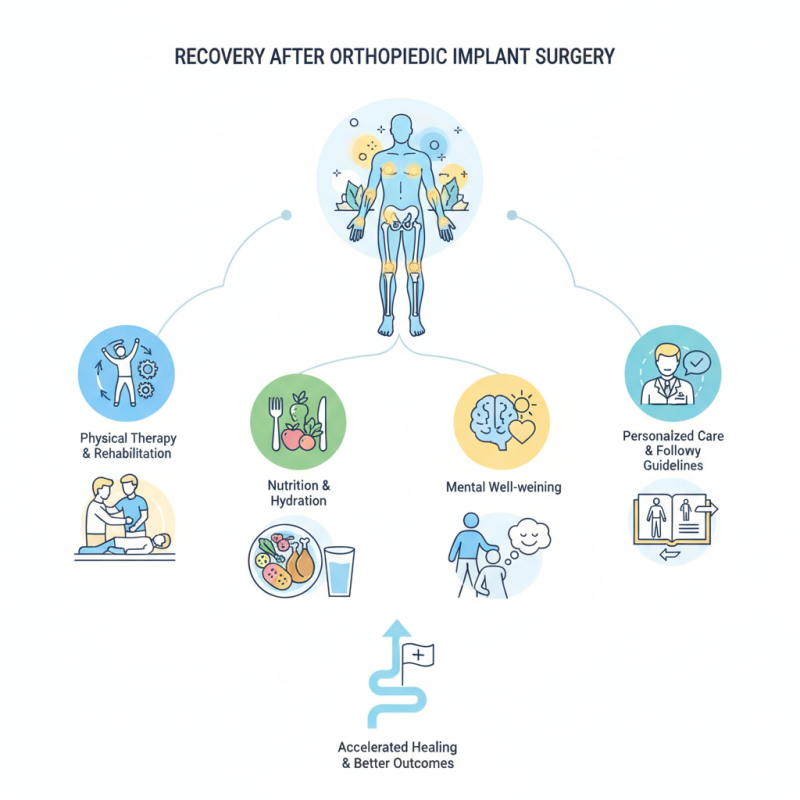
Recovering from orthopedic implant surgery is often a challenging journey. What helps with recovery after orthopedic implant surgery is a critical question for many patients. Dr. Sarah Johnson, a renowned orthopedic surgeon, emphasizes, “Listening to your body and following rehabilitation guidelines can significantly accelerate healing.” Her insights shed light on the importance of personalized care in recovery.

Effective rehabilitation plays a vital role in patient outcomes. Physical therapy exercises tailored to individual needs help in regaining strength and mobility. Nutrition also boosts recovery. A balanced diet rich in proteins and vitamins supports healing. Yet, many patients overlook the significance of proper hydration, which is crucial for a smooth recovery process.

Mental health is often an underappreciated aspect of healing. Mindset influences recovery speed and quality. Patients may face frustration during their rehabilitation, which can impede progress. Acknowledging emotions and seeking support from professionals can be beneficial. Recovery involves both physical and psychological resilience. Adapting strategies that address both can lead to better outcomes in healing after surgery.
How to Speed Up Recovery After Orthopedic Implant Surgery?

Understanding Orthopedic Implant Surgery and Recovery Process

Orthopedic implant surgery involves inserting devices to support or replace damaged bones. This procedure can improve mobility and relieve pain. Understanding the recovery process is crucial for optimal healing. Recovery often includes managing pain, preventing infection, and gradually restoring movement.


Patients should engage in physical therapy as recommended. Gentle exercises help enhance strength and flexibility. However, overexertion can lead to setbacks. Listening to the body is vital. Adequate rest is equally important. Following prescribed guidelines ensures a safer and more effective recovery.


Diet plays a significant role in healing. A balanced intake of vitamins and minerals promotes tissue repair. Factors such as hydration and protein consumption should not be overlooked. Discussing dietary plans with healthcare providers can guide better recovery choices. Each journey is unique, and it's normal to face challenges.

Importance of Pre-Surgery Preparation for Faster Recovery

Preparation plays a crucial role in recovery after orthopedic implant surgery. Data from the American Academy of Orthopaedic Surgeons indicates that proper pre-surgery preparation can reduce recovery time by up to 40%. When patients engage in pre-operative exercises, they often experience less postoperative pain and quicker mobility. These exercises enhance muscle strength and improve flexibility, leading to a smoother healing process.

Tips for effective preparation include maintaining a balanced diet rich in protein and vitamins. Nutrients foster healing by repairing tissues more efficiently. Hydration also matters; it helps to maintain blood volume and supports organ function during recovery. Setting realistic post-surgery goals can assist patients in staying motivated. A clear plan for rehabilitation and regular follow-ups with healthcare providers makes a significant difference.

Not every patient adapts to pre-surgery requirements easily. Some may struggle to commit to necessary lifestyle changes or exercise regimens. Self-motivation is essential. Reflecting on personal readiness and establishing a strong support system can help overcome these challenges. A positive mindset is indispensable for a successful recovery journey.

How to Speed Up Recovery After Orthopedic Implant Surgery? - Importance of Pre-Surgery Preparation for Faster Recovery

Recovery Factor Description Impact on Recovery Time Recommended Practices
Pre-Surgery Physical Conditioning Engaging in physical therapy and exercises before surgery to strengthen muscles. Can reduce recovery time by up to 30%. Consult with a physiotherapist for tailored exercises.
Nutritional Preparation Ensuring a balanced diet rich in proteins, vitamins, and minerals to promote healing. Essential for optimal recovery; can decrease inflammation. Include lean meats, vegetables, and whole grains in your diet.
Mental Preparation Preparing mentally for the surgery and recovery process. Can enhance coping mechanisms and speed up recovery. Practice mindfulness and visualization techniques.
Setting Up Recovery Space Creating a comfortable and accessible environment for post-surgery recovery. Facilitates easier movement and faster healing. Organize essential items within reach and minimize clutter.
Follow-up Care Adhering to post-operative appointments and instructions. Critical for monitoring progress and adjusting recovery plans. Schedule all follow-ups and communicate openly with your surgeon.

Post-Operative Care: Key Practices for Enhanced Healing

Post-operative care plays a crucial role in recovery after orthopedic implant surgery. Effective practices can significantly enhance healing. A study from the Journal of Orthopedic Research highlights that patients who actively participated in their rehabilitation showed a 30% faster recovery rate compared to those who did not engage. This underlines the importance of patient involvement in their recovery process.

Nutrition is another key factor. Protein intake is vital for tissue repair. Research indicates that adequate protein can improve recovery times by up to 25%. A well-balanced diet rich in vitamins can also support healing. However, many patients struggle to meet these nutritional needs. Addressing dietary gaps should become part of the post-operative care plan. Regular hydration is essential, yet underemphasized. Many patients forget to drink enough water, which can delay recovery.

Physical therapy must be approached cautiously. Over-exertion can lead to setbacks. A common mistake is pushing through pain, which can result in serious complications. Patients should communicate openly with their therapists. Setting realistic goals is important, as progress can be slow. Reflection on personal limits and adjustments to physical activities can aid in achieving a balanced recovery.

Rehabilitation Exercises and Physical Therapy for Joint Recovery

After orthopedic implant surgery, rehabilitation exercises and physical therapy play a crucial role in recovery. Engaging in targeted exercises helps restore strength and mobility to the affected joint. Simple movements like leg lifts or ankle pumps can stimulate blood flow and promote healing. These exercises should be done consistently, but make sure to pay attention to your body. Pain or discomfort may signal that you are pushing too hard.

Physical therapy sessions provide valuable expert guidance. A trained therapist can tailor exercises to fit individual needs. They can ensure proper technique, minimizing the risk of reinjury.

In addition, therapists often introduce methods like ultrasound or electrical stimulation to enhance recovery. However, it’s important to communicate openly with your therapist. If something feels wrong, speak up.

Adopting a consistent routine is essential, but don’t overlook the importance of rest. Overdoing exercises can lead to setbacks. Listen to your body, and prioritize proper nutrition to support your healing. Reflect on your progress regularly. It’s a journey filled with ups and downs, and patience is key.

Nutritional Support and Lifestyle Changes to Boost Recovery

Nutritional support plays a critical role in recovery after orthopedic implant surgery. Proper nutrition facilitates healing and helps the body cope with stress post-surgery. Reports indicate that a diet rich in protein can significantly enhance recovery. A study published in the *American Journal of Clinical Nutrition* highlights that adequate protein intake speeds up muscle healing by up to 30%. Hence, focusing on lean meats, legumes, and dairy products can be beneficial during recovery.

Lifestyle changes also contribute to a faster recovery. Regular physical activity, as approved by a healthcare provider, aids in maintaining circulation and reducing muscle atrophy. A study in the *Journal of Rehabilitation Research* notes that a gradual return to activity correlates with improved recovery times. However, some patients struggle with balancing rest and activity, finding it challenging to avoid overexertion. It's crucial to listen to the body and adapt routines slowly. Staying hydrated is another often overlooked aspect, yet it plays a vital role. Dehydration can impede healing, making it essential to drink plenty of fluids during this period.

Mental health is equally important. Stress can hinder recovery, yet many patients overlook this component. Incorporating mindfulness practices or gentle yoga can be valuable. It’s okay to face difficulties in maintaining these changes. Recovery is a journey and requires patience. Each small step, whether it's dietary adjustments or mindful practices, can collectively lead to more effective healing.

Post-Surgery Recovery Speed Up: Nutrition vs Lifestyle Changes

This chart illustrates the impact of nutritional support and lifestyle changes on recovery speed after orthopedic implant surgery. The data demonstrates how various factors contribute to recovery duration.

FAQS

: What is orthopedic implant surgery?

: It involves inserting devices to support or replace damaged bones. This can improve mobility and relieve pain.

Why is the recovery process important?

Understanding recovery is crucial for optimal healing. It includes managing pain, preventing infection, and restoring movement gradually.

How can physical therapy benefit recovery?

Physical therapy enhances strength and flexibility. However, overexertion can lead to setbacks, so listening to your body is vital.

What role does diet play in recovery?

A balanced diet promotes tissue repair. Vitamins, minerals, hydration, and protein are essential for healing effectively.

How can pre-surgery preparation affect recovery?

Proper preparation can reduce recovery time by up to 40%. Engaging in pre-op exercises leads to less pain and quicker mobility.

What challenges might patients face before surgery?

Some struggle with lifestyle changes or exercise regimens. Self-motivation and support systems are crucial for overcoming these hurdles.

Why is hydration important during recovery?

It helps maintain blood volume and organ function. Dehydration can impede healing, making fluid intake essential.

How does mental health impact recovery?

Stress can hinder healing. Incorporating mindfulness or gentle yoga can greatly benefit recovery, yet many overlook this.

What is a common mistake during recovery?

Patients might rush activity or not adapt routines slowly. Recovery requires patience and listening to one's body.

Are dietary adjustments easy to maintain?

Not always. Some may find it challenging to stick to a healthy diet. Reflection and planning help make better choices.

Conclusion

Recovering after orthopedic implant surgery involves a multifaceted approach to ensure effective healing. Understanding the surgery and the recovery process is crucial, as it sets the stage for a successful outcome. What helps with recovery after orthopedic implant surgery includes thorough pre-surgery preparation, which can significantly impact healing times.

Post-operative care is essential, focusing on practices that enhance recovery such as keeping the surgical area clean and following medical advice. Engaging in rehabilitation exercises and physical therapy tailored for joint recovery can restore mobility and strength. Additionally, proper nutritional support and lifestyle changes play a vital role in boosting recovery, as they provide the body with the necessary resources to heal effectively. Combining these elements creates a comprehensive recovery plan that maximizes healing and improves overall outcomes.

Ethan

Ethan

Ethan is a seasoned marketing professional with a deep expertise in our company's innovative product line. With a passion for sharing knowledge and insights, he takes the lead in regularly updating our corporate blog, where he explores industry trends, product features, and effective marketing......