Orthopedic implants play a critical role in modern medicine, providing essential support and mobility to patients. What materials are used in orthopedic implants? This question is fundamental to understanding the effectiveness and longevity of these devices. According to a report by Grand View Research, the global orthopedic implants market is projected to reach over $63 billion by 2025. This growth highlights the importance of informed choices in materials used.
The most common materials include titanium, stainless steel, and polymers. Titanium is renowned for its biocompatibility and strength, making it ideal for load-bearing applications. Stainless steel offers excellent corrosion resistance, but its rigidity may not suit all patients. Polymers, such as polyethylene, are often used in joint replacements, providing flexibility and shock absorption. Despite advancements, challenges remain. Some materials can lead to wear and tear over time, necessitating further surgeries.
Understanding the materials is vital. Patients should be aware of the pros and cons, even if some options may present risks. Further research is ongoing to enhance material properties and reduce complications associated with orthopedic implants. This journey shows us that while progress is tangible, there is still room for improvement in material development.
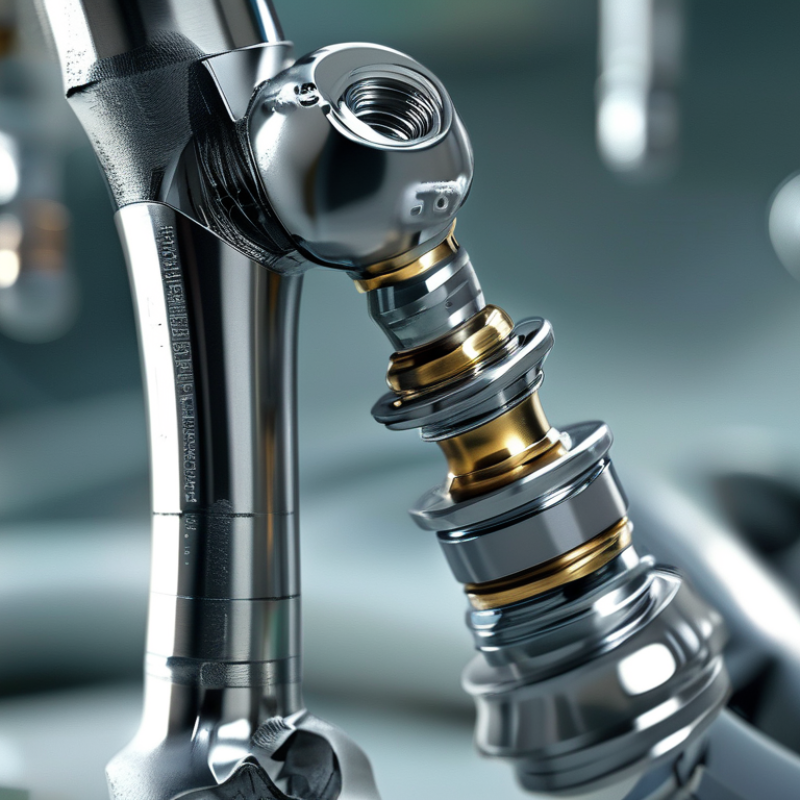
Top 5 Materials Used in Orthopedic Implants You Should Know
Orthopedic implants play a crucial role in modern medicine. Selecting the right material for these implants is vital for patient outcomes. Five materials often highlighted in research are titanium, stainless steel, polyethylene, ceramic, and cobalt-chromium alloys. Each material has its unique properties and applications.
Titanium is favored for its strength and biocompatibility. Research shows that about 90% of titanium implants are successful in long-term use. Stainless steel, while cost-effective, may corrode over time, raising concerns about longevity. A study indicated that about 20% of patients experience complications with stainless steel implants. Polyethylene is used in joint replacements due to its wear resistance, but it can still face issues with debris-induced osteolysis.
Ceramics offer excellent wear and low friction, making them suitable for hip implants. However, they can be brittle. Approximately 15% of ceramic implants may fail due to fracture. Cobalt-chromium alloys provide high strength and corrosion resistance, yet they can cause allergic reactions in some patients. The choice of material is essential, as it directly impacts patient recovery and implant longevity.
Understanding these materials can help inform better choices in orthopedic procedures.
Titanium: The Preferred Choice for Load-Bearing Implants
Titanium is the preferred choice for load-bearing orthopedic implants due to its unique properties. This metal is incredibly strong yet lightweight. It combines strength with a high resistance to corrosion. These qualities make titanium suitable for long-term use in the human body.
Tips: When considering orthopedic implants, always ask your surgeon about the materials used. Understanding the pros and cons of each material is crucial. Some patients may experience sensitivity to certain metals.
Titanium implants also promote osseointegration, which means they can fuse with bone effectively. This leads to better stability and longevity. However, it’s essential to note that not all patients will have the same experience with titanium implants. Some might face challenges, like the body's varying responses.
Tips: Post-surgery, report any unusual discomfort to your doctor. It's important to monitor how your body reacts to an implant. Remember, personal experiences with materials can differ greatly.
Stainless Steel: Strength and Corrosion Resistance in Orthopedics
Stainless steel is a vital material in orthopedic implants. Its strength and corrosion resistance make it a top choice for many devices. According to recent industry reports, stainless steel used in implants typically contains chromium and nickel. These elements enhance durability and provide excellent resistance to rust and wear.
However, not all stainless steel is created equal. Variations in composition can impact performance. A study published in the Journal of Biomedical Materials Research highlights that 316L stainless steel is the most commonly used alloy. It offers a tensile strength of around 520 MPa, making it robust against fracture. Despite its advantages, surgeons sometimes encounter issues like stress shielding. This occurs when the implant bears too much load, potentially leading to bone resorption.
Moreover, the long-term biocompatibility of stainless steel remains a topic of research. While generally safe, there are instances where patients may experience allergic reactions. It's essential to assess individual patient needs and potential risks. Continuous innovation in materials science aims to improve the performance of stainless steel in orthopedic applications.
Top 5 Materials Used in Orthopedic Implants
Polyethylene: The Role of UHMWPE in Joint Replacements
Polyethylene, specifically
Ultra-High-Molecular-Weight Polyethylene (UHMWPE),
plays a crucial role in orthopedic implants. This material is widely used in joint replacements due to its remarkable properties.
UHMWPE is durable, resistant to wear, and has a low friction coefficient, which is essential for joint movement. Many patients report
better mobility after receiving implants made from this material. However, its long-term performance can still raise concerns.
While UHMWPE provides excellent wear resistance, it can suffer from oxidation over time.
This degradation may affect its mechanical strength and longevity.
As a result, healthcare professionals must monitor patients closely after surgery.
Proper follow-up can help detect any early signs of implant failure.
Tip: Discuss with your surgeon the best materials for your specific needs.
Understanding the characteristics of different implant materials can guide informed decisions.
Considering the potential for wear particles to affect surrounding tissue,
patients should remain informed about their implants. Regular check-ups can help assess the condition of UHMWPE components.
Staying proactive can prevent complications down the road.
Tip: Ask about the latest advancements in implant materials during consultations.
Innovations are continually enhancing the effectiveness and safety of orthopedic implants.
Ceramic Materials: Advantages and Applications in Implants
Ceramic materials play a significant role in orthopedic implants. Their unique properties make them suitable for various medical applications. Unlike metals, ceramics are bioinert. They do not react adversely with human tissues. This quality minimizes the risk of rejection by the body. Additionally, ceramic materials are excellent at resisting wear. This characteristic is essential for implants that undergo constant movement.
In joint replacements, ceramic components can mimic the smooth surfaces of natural bones. This design improves mobility and reduces friction. The hardness of ceramics also enhances durability. Patients often report improved outcomes with ceramic implants. However, there are some drawbacks. Ceramics can be brittle. This brittleness raises concerns regarding stress and impact. In certain situations, they may fracture under excessive loads.
Despite these challenges, ongoing research aims to enhance the performance of ceramic materials. Innovative formulations and composite structures are being tested. These advancements could address current limitations. Therefore, ceramic materials remain a vital topic in orthopedic implant development. The potential for improved patient care continues to inspire further exploration.
Top 5 Materials Used in Orthopedic Implants You Should Know
| Material |
Advantages |
Applications |
Biocompatibility |
| Ceramics |
High wear resistance, low friction, excellent biocompatibility |
Joint replacements, bone grafts |
Highly biocompatible, minimal toxicity |
| Titanium Alloys |
Lightweight, strong, corrosion resistant |
Bone plates, screws, artificial joints |
Excellent biocompatibility, promotes osseointegration |
| Stainless Steel |
Cost-effective, high tensile strength, durability |
Surgical instruments, temporary implants |
Generally biocompatible, however, may corrode |
| Polyether Ether Ketone (PEEK) |
Radiolucent, excellent mechanical properties, low friction |
Spinal implants, trauma fixation devices |
Compatible with biological tissues |
| Cobalt-Chromium Alloys |
Exceptional strength, wear resistance, and corrosion resistance |
Hip and knee implants |
Good biocompatibility, limited allergic reactions |
Biodegradable Polymers: Innovations in Temporary Orthopedic Solutions
Biodegradable polymers are revolutionizing orthopedic implants. These materials can dissolve safely in the body, eliminating the need for a second surgery. According to recent studies, biodegradable polymers can enhance the healing process by providing temporary support while gradually degrading. This innovation addresses the limitations of traditional metal implants, which often require removal after healing.
Tips: When considering temporary solutions, always evaluate the material properties. Ensure they meet strength and degradation rate requirements for your specific condition.
Research indicates that in 2022, the global market for biodegradable orthopedic implants was valued at $120 million and is projected to grow significantly. Recent developments focus on materials like polylactic acid (PLA) and polyglycolic acid (PGA). While biodegradable polymers hold great promise, challenges remain. Variability in degradation rates can lead to complications if not properly managed.
Tips: Consult with healthcare professionals about the latest advancements in biodegradable materials and their potential benefits.
The future looks promising. However, not every patient is an ideal candidate for biodegradable implants. Individual healing rates and conditions must be assessed carefully. Balancing innovation with patient safety remains crucial in the evolution of orthopedic treatments.
FAQS
: The main materials include titanium, stainless steel, polyethylene, ceramics, and cobalt-chromium alloys.
Titanium is known for its strength and biocompatibility, leading to a high success rate of around 90%.
Stainless steel is cost-effective but may corrode over time, with about 20% of patients experiencing complications.
Polyethylene provides excellent wear resistance but can face issues like debris-induced osteolysis.
Ceramics are excellent for wear but can be brittle, with about 15% failing due to fractures.
Yes, cobalt-chromium alloys may cause allergic reactions in some patients despite their high strength.
UHMWPE is durable and low-friction, but it may oxidize over time, affecting its longevity.
Biodegradable polymers provide temporary support and safely dissolve, eliminating the need for a second surgery.
Variability in degradation rates can lead to complications if not managed properly.
Regular check-ups and discussions with surgeons can help patients monitor implant conditions and advancements.
Conclusion
Orthopedic implants are essential in treating musculoskeletal issues, and understanding what materials are used in orthopedic implants is crucial for both patients and practitioners. The most commonly used materials include titanium, which is favored for its strength and biocompatibility in load-bearing implants. Stainless steel offers excellent corrosion resistance and durability, making it a reliable option for various applications.
Additionally, ultra-high-molecular-weight polyethylene (UHMWPE) plays a significant role in joint replacements due to its low friction properties. Ceramic materials are also gaining traction in the field for their durability and potential to reduce wear in implants. Lastly, biodegradable polymers are emerging as innovative solutions for temporary orthopedic needs, minimizing the need for further surgeries. Each of these materials brings unique benefits, reshaping the landscape of orthopedic treatments.

 Pure Orthopedic Implants