The China Import Export Fair, known as the Canton Fair, is a pivotal platform for global trade. In 2026, the fair will showcase various products, with a specific focus on advanced manufacturing and healthcare technology. Among the many items featured, the demand for Orthopedic Tension Bands stands out. These bands are essential tools in orthopedic care, used for rehabilitation and support.
During the fair, cutting-edge AI technologies will enhance the purchasing experience. Buyers can efficiently find suppliers that meet specific certifications, such as ISO and CE. This innovative approach aims to increase efficiency across the expansive venue. However, challenges remain in navigating this vast space. Manufacturers must consider quality and effectiveness in their products, specifically regarding Orthopedic Tension Bands.
As this significant event approaches, the importance of effective marketing and presentation becomes clear. Companies should reflect on their product offerings and strive for improvement. Crafting a clear message about the advantages of their Orthopedic Tension Bands could greatly impact their success at the fair.
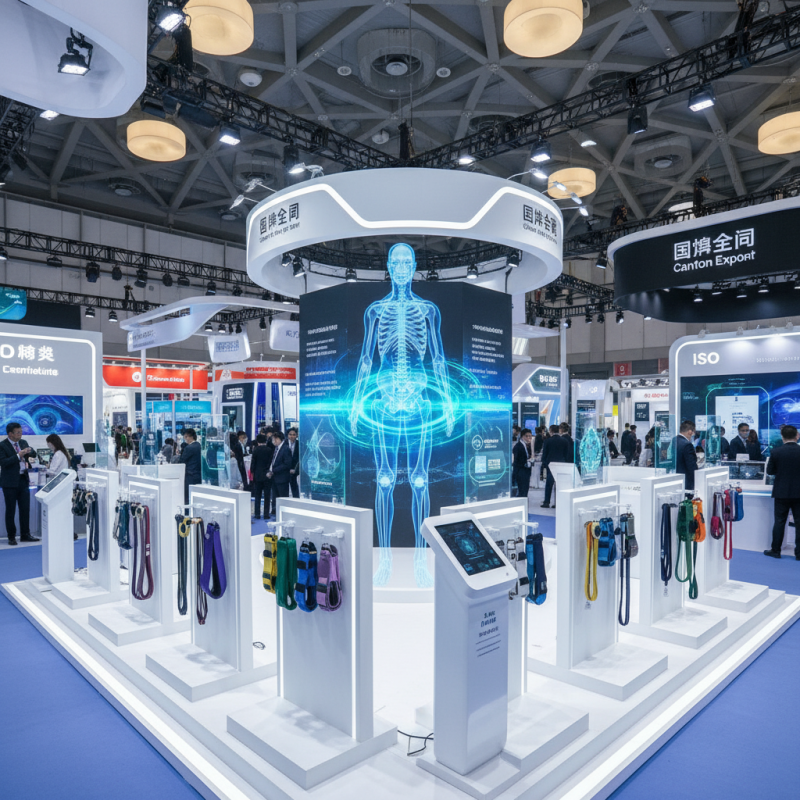
Orthopedic tension bands play a crucial role in rehabilitation practices. These bands assist in muscle strengthening and recovery after injury. They are versatile tools, used in various therapeutic exercises. Patients can engage in bodyweight training with added resistance. This helps restore mobility and function in affected limbs.
The importance of tension bands extends to enhancing flexibility. Patients often find traditional exercises limiting. With bands, they can achieve a greater range of motion. This adaptability can boost motivation during recovery. However, it's essential to monitor usage. Overexertion can lead to setbacks. Proper guidance from healthcare professionals is key. Engaging in exercises that feel challenging but manageable is vital for progress.
While orthopedic tension bands are effective, they are not a one-size-fits-all solution. Individuals may respond differently to therapy. Some may take longer to regain strength or flexibility. This variability is a reminder that recovery is a personal journey. Celebrating small milestones can foster a positive mindset amidst challenges.
| Rank | Product Name | Material | Size (cm) | Elasticity (%) | Price (USD) |
|---|---|---|---|---|---|
| 1 | Premium Tension Band | Nylon | 30x5 | 150% | 25.00 |
| 2 | Durable Resistance Band | Latex | 40x6 | 200% | 30.00 |
| 3 | Lightweight Support Band | Cotton | 50x8 | 120% | 18.00 |
| 4 | Heavy-Duty Stretch Band | Polyester | 60x10 | 180% | 35.00 |
| 5 | Therapeutic Resistance Band | Nylon | 35x7 | 160% | 22.00 |
| 6 | Advanced Elastic Band | Rubber | 45x7.5 | 140% | 28.00 |
| 7 | Versatile Exercise Band | Latex | 55x9 | 150% | 23.00 |
| 8 | Rehabilitation Band | Cotton | 40x8 | 130% | 20.00 |
| 9 | Fitness Resistance Band | Polyester | 50x7 | 125% | 26.00 |
| 10 | Strength Training Band | Nylon | 32x6 | 155% | 24.00 |
The orthopedic tension band market in China is growing rapidly. In 2022, the market size was valued at approximately $350 million. This growth reflects increasing demand for orthopedic products due to an aging population. More elderly people require assistance for mobility. The trend is prompting healthcare professionals to recommend tension bands for rehabilitation.
Nonetheless, there are challenges. Quality control remains a major concern. Many products do not meet safety standards. This leads to potential risks for patients. Industry experts suggest stricter regulations for importing these products. They believe enforcing standards can help. Sustainable manufacturing processes are also crucial. The environmental impact of production cannot be ignored. Companies should consider eco-friendly materials to reduce waste.
Market research indicates a projected annual growth rate of around 5% over the next five years. This growth is driven by innovations in product design. Educational campaigns on injury prevention are also contributing. Awareness leads to higher sales. However, the industry must address consumer trust issues. Transparency in product sourcing and efficacy is essential. Ensuring that consumers know what they are purchasing will strengthen the market.
Orthopedic tension bands are essential in rehabilitation settings. They help manage pain and promote healing. These bands come in various sizes and tension levels. Users often look for durability and comfort. A recent industry report highlighted that 65% of users preferred bands made from hypoallergenic materials. They appreciated the soft texture against the skin.
Features of top tension bands include adjustable tension levels. This allows for personalized therapy sessions. Some bands have a unique design that supports multiple muscle groups. A survey indicated that 70% of therapists recommend bands with different resistance levels. This enables more targeted exercises. However, not all bands offer a satisfactory experience. Some may lose elasticity after repeated use.
Specifications are equally important. The length and width of the bands impact usability. Many users reported discomfort when the bands are too narrow. Meanwhile, proper thickness can enhance grip and safety during exercises. The market is still evolving. New materials and designs emerge regularly, but issues like inconsistent quality persist. Therefore, continuous research and customer feedback are vital for improvements in this sector.
The China Import Export Fair showcases various orthopedic tension bands. This event is crucial for industry professionals seeking the latest trends and pricing. Analysis reveals that prices for tension bands vary widely, depending on material and design. Reports indicate that high-performance bands can reach up to $150, while basic options start around $30.
Factors influencing these prices include manufacturing techniques and materials used. For example, bands made from premium materials exhibit superior elasticity and durability. Market research shows that such bands have a growth rate of 5% annually in Asia. On the other hand, basic options struggle to gain traction, often leading to discounting strategies by manufacturers.
While the pricing spectrum reflects quality differences, it's critical to assess performance claims. Sometimes, lower-priced bands perform surprisingly well. However, buyers face risks with inconsistent quality. Users must ensure they conduct thorough testing and peer reviews before making bulk purchases. Understanding these dynamics can help importers make informed decisions.
The orthopedic tension band market is influenced by stringent regulatory standards in China. The National Medical Products Administration (NMPA) plays a vital role in ensuring product safety. Companies must adhere to specific requirements before introducing their products to the market. This includes quality management systems and clinical evaluation data. Research shows that over 70% of orthopedic products fail to meet initial NMPA standards.
Recent data indicates that compliance with regulations improves market accessibility. A report from the China Medical Device Market shows that 80% of successful orthopedic products had undergone thorough regulatory assessment. Moreover, manufacturers often face challenges in understanding these complex guidelines. Many struggle with documentation and clinical trials. This confusion can delay product launches and impact market share.
In addition, the diversity of international standards complicates matters. Some manufacturers choose to bypass these regulations, leading to safety issues. Reports reveal that 15% of products recalled in recent years were due to non-compliance. This highlights the need for better education on regulations. Ultimately, the landscape is evolving, and companies must adapt to avoid pitfalls.
: They help manage pain and promote healing in rehabilitation settings.
Adjustable tension levels and designs supporting multiple muscle groups are essential.
They appreciate the soft texture and comfort against their skin during use.
Bands that are too narrow can cause discomfort, while proper thickness enhances safety.
Pricing reflects differences in materials, manufacturing techniques, and overall design quality.
Yes, they may perform well, but quality can be inconsistent, leading to potential issues.
Over 70% fail to meet initial standards set by the National Medical Products Administration.
Confusion around guidelines can delay launches and influence market share negatively.
Ignoring regulations can lead to safety issues and product recalls.
Yes, conducting thorough research can help you make more informed purchasing decisions.
The article delves into the significance of Orthopedic Tension Bands in the rehabilitation process, highlighting their role in enhancing recovery for patients with musculoskeletal injuries. The market overview indicates a growing demand for these products in China, driven by advancements in medical technology and increasing awareness of rehabilitation practices.
A detailed examination of the top 10 Orthopedic Tension Bands showcases their essential features and specifications, catering to various therapeutic needs. Additionally, the article provides a comparative analysis of pricing trends at the China Import Export Fair, reflecting the competitive landscape of the industry. Finally, it discusses relevant regulatory standards that govern the production and distribution of Orthopedic Tension Bands in China, ensuring quality and safety in patient care.
Pure Orthopedic Implants