Infection around dental implants can lead to serious complications if not identified early. Understanding what are the signs of infection around implants is crucial for patients and dental professionals alike. Are you aware of the subtle changes that might indicate trouble?
Many patients overlook signs like swelling or redness near the implant. These symptoms can often be dismissed as normal healing. However, early recognition is vital for effective intervention. Pain may also be a sign, but it varies from person to person.
Sometimes, there are no clear indicators. You might experience unusual bleeding or a bad taste in your mouth. Ignoring these issues can lead to implant failure or severe infections. Be proactive in monitoring your implants and consult with your dentist regularly. Knowledge is your first line of defense against complications.
Top 10 Signs of Infection Around Implants You Should Know
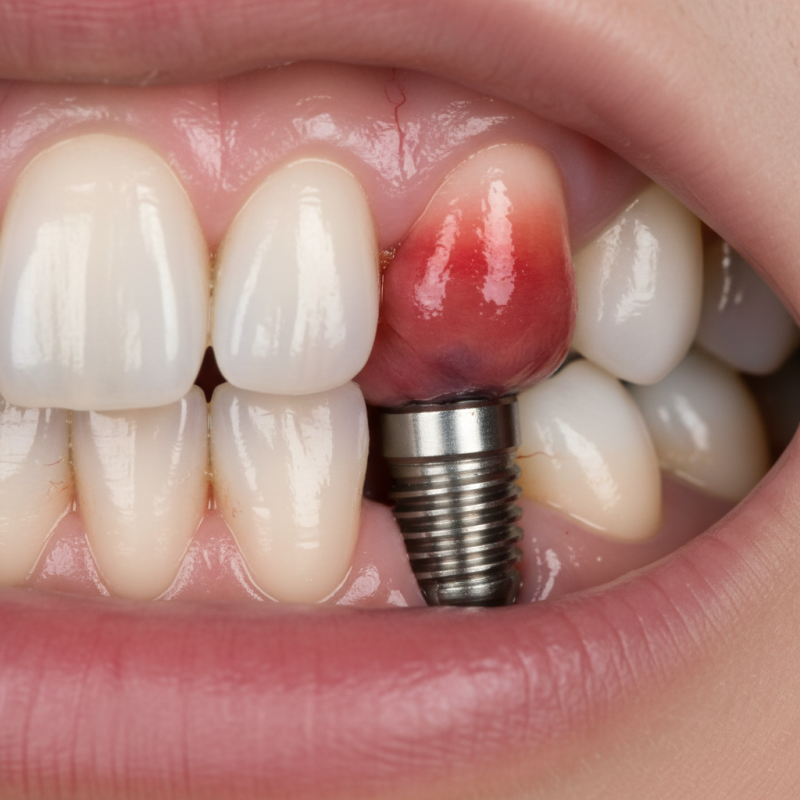
Infection around dental implants can lead to serious complications. Being aware of the signs is crucial for your health. Common symptoms include swelling, pain, and redness around the implant site. You might notice an increase in sensitivity too. These signs indicate that something isn’t right.
Tip: Maintain good oral hygiene. Brush and floss regularly to keep your implants clean. This can significantly reduce the risk of infection. Use a soft-bristle toothbrush to avoid irritating the gums.
Another sign of possible infection is pus or abnormal discharge. This often accompanies foul odors. If you experience this, consult a dental professional promptly. Ignoring these symptoms may lead to further complications.
Tip: Visit your dentist regularly. A professional can monitor your implant and catch any early signs of infection. Early detection is vital in preventing serious issues. Remember, your health should always come first.
Understanding Implant Infections: Definition and Prevalence Rates
Implant infections pose significant risks for patients. Understanding the nature of these infections is crucial. Studies show infection rates around implants can be as high as 10-15%. This prevalence is concerning, particularly in categories like dental and orthopedic implants. Infections can lead to severe complications, impacting overall implant success.
The typical symptoms of infection include redness, swelling, and pain at the site. Sometimes, patients may experience fever or pus discharge. These signs indicate an ongoing infection that requires prompt attention. According to a report by the Journal of Orthopaedic Research, nearly 20% of orthopedic implant patients experience postoperative infections. Recognizing these symptoms can significantly affect the treatment process and outcomes.
Despite the advancements in surgical techniques and materials, implant infections remain a challenge. Research indicates that biofilm formation on implants complicates infection treatment. This aspect emphasizes the need for ongoing studies and improved strategies to combat infections. Raising awareness about the signs and risks of implant infections can aid in early detection and intervention, ultimately enhancing patient outcomes.
Top 10 Signs of Infection Around Implants You Should Know
| Sign of Infection |
Description |
Prevalence Rate (%) |
| Redness |
Surrounding tissue appears inflamed and red. |
25% |
| Swelling |
Soft tissue swelling around the implant area. |
30% |
| Pain |
Discomfort or pain in the implant region. |
35% |
| Warmth |
Increased temperature in the area around the implant. |
20% |
| Drainage |
Pus or other fluid draining from the site. |
15% |
| Fever |
Elevated body temperature indicating a systemic response. |
10% |
| Bad Taste |
Unpleasant taste in the mouth, often indicating infection. |
5% |
| Loss of Function |
Difficulty in using the affected area properly. |
8% |
| Odor |
Foul smell emanating from the site of the implant. |
4% |
| Gradual Mobility |
Implant feels loose or mobility increases over time. |
7% |
Identifying Early Symptoms of Infection Around Dental Implants
Dental implants can significantly improve your smile and oral function. However, infections can occur around these implants. Recognizing early symptoms is crucial for preventing severe complications. Swelling and redness around the implant site are common initial signs. You might notice discomfort or a throbbing sensation. These symptoms shouldn't be ignored.
Sometimes, a discharge may appear around the implant. This could be pus or a similar fluid. Such a symptom often indicates an infection. Additionally, you may have a bad taste in your mouth or experience persistent bad breath. Both can signal underlying issues. Chewing might also become painful or uncomfortable.
It is important to monitor these symptoms closely. Consult with a dental professional as soon as possible. Early intervention is key to successful treatment. Ignoring signs may lead to significant health problems. Regular check-ups can help you maintain not just the implants, but overall oral health.
The Role of Bacterial Biofilm in Implant-Related Infections
Bacterial biofilm is a significant factor in implant-related infections. Biofilms are dense colonies of bacteria that form on surfaces, such as dental or orthopedic implants. Research indicates that around 60% of implant infections are linked to biofilm development. Once established, these biofilms protect bacteria from the host’s immune response and antibiotics, making treatment difficult.
In a study published in the Journal of Clinical Microbiology, it was found that biofilm-forming bacteria can exhibit up to 1,000-fold increased resistance to antibiotics. This alarming statistic highlights the need for effective prevention strategies. Techniques like surface modifications and antimicrobial coatings are under investigation, but more research is needed.
Recognizing signs of infection early can prevent serious complications. Symptoms may include increased swelling, pain, and discharge. If these signs appear, consultation with a healthcare professional is crucial. Educating patients about the risks and signs of infections can empower them to seek help promptly. Implementing stringent hygiene practices before and after implant procedures can also play a vital role in infection prevention.
Clinical Guidelines for Diagnosing Infections Around Implants
Infections around implants can lead to serious complications. Proper diagnosis is essential for effective treatment. Clinicians should be vigilant for specific signs of infection, including swelling, redness, and pain around the implant site. These symptoms are clear indicators that something may be wrong.
In addition to visual cues, patients often report unusual drainage or foul odor from the area. These signs can greatly assist in early detection. Regular monitoring and communication between the patient and healthcare provider are vital. A thorough medical history and recent surgical records can help pinpoint potential causes of infection.
Diagnostic imaging can also play a critical role. X-rays or CT scans can provide insights into the bone structure around the implant. However, relying entirely on imaging without considering clinical symptoms can lead to misdiagnosis. It’s essential to combine patient feedback with clinical findings. Be open to revisiting initial assessments if the patient’s condition does not improve.
Top 10 Signs of Infection Around Implants
Long-Term Consequences of Untreated Implant Infections on Health
Implant infections, if left untreated, can lead to significant long-term health issues. Research shows that around 10% of dental implants may fail within the first decade due to infections. Chronic osteomyelitis, a severe bone infection, can develop from untreated implant-related infections. This condition often results in bone loss and necessitates extensive surgical interventions.
Moreover, untreated infections can cause systemic health issues, including cardiovascular diseases. A study indicates that periodontal infections are linked to increased inflammatory markers in the body. These markers contribute to heart problems over time. Individuals with compromised immune systems face even greater risks. With early detection, many of these complications can be avoided.
Signs of infection include pain, swelling, and discharge. Monitoring these symptoms is critical. Delayed diagnosis may lead to complications that affect overall wellbeing. Regular dental check-ups and prompt attention to symptoms can significantly reduce risks. Awareness is key to preventing serious health outcomes associated with implant infections.
FAQS
: Early symptoms include swelling, redness, discomfort, and a throbbing sensation around the implant site.
A discharge around the implant that resembles pus could signal an infection.
Persistent bad breath and a bad taste can indicate underlying issues, possibly linked to infections.
Bacterial biofilm consists of dense colonies protecting bacteria, increasing resistance to treatment.
Proper diagnosis requires vigilance; signs like swelling and pain must be noted alongside patient feedback.
X-rays and CT scans provide insights into bone structure around implants but should not replace clinical symptoms.
Regular communication between patients and healthcare providers is vital for early detection and management.
Poor hygiene practices before and after implant procedures can heighten the risk of infections.
Patients must consult a dental professional immediately if they notice symptoms like swelling or drainage.
Educating themselves about infection risks can help patients seek timely medical advice.
Conclusion
In the realm of dental health, understanding the early signs of infection around implants is crucial for timely intervention. What are the signs of infection around implants? Key indicators include redness, swelling, pain, and discharge at the implant site. Recognizing these symptoms early can prevent further complications. The presence of bacterial biofilm plays a significant role in these infections, as it can protect bacteria from the body’s immune response.
Clinically, diagnosing infections around implants involves systematic assessment and adherence to established guidelines. If left untreated, implant infections can lead to long-term health issues, including bone loss and systemic spread of infection. Awareness of these signs and direct communication with dental professionals are essential for maintaining overall health and the longevity of dental implants.

 Pure Orthopedic Implants