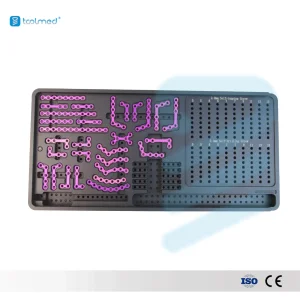
The calcaneal locking plate industry represents a critical niche within the global orthopedic trauma market. As the calcaneus (heel bone) is the most frequently fractured tarsal bone, accounting for approximately 2% of all adult fractures, the demand for sophisticated fixation systems is soaring. Globally, the shift toward anatomically pre-contoured locking plates has revolutionized surgical outcomes, moving away from traditional non-locking systems that often resulted in hardware failure or loss of reduction.
The industrial ecosystem for these medical devices is concentrated in high-tech manufacturing hubs, with China emerging as a dominant force. Driven by an aging global population and a rise in high-impact sports injuries and industrial accidents, the market for calcaneal reconstruction is expected to grow at a CAGR of 6.5% through 2030. Modern surgeons now demand plates that offer low-profile designs to minimize soft-tissue irritation while providing multi-axial screw placement options to navigate complex fracture lines.
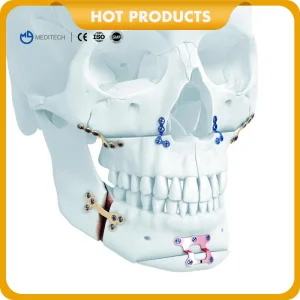
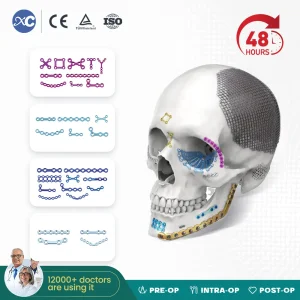
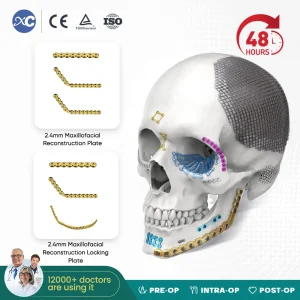
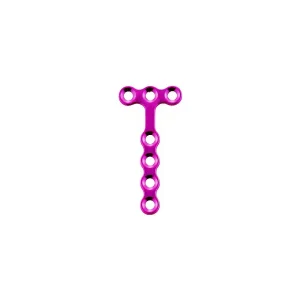
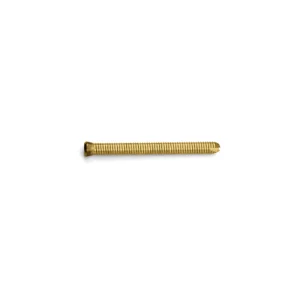
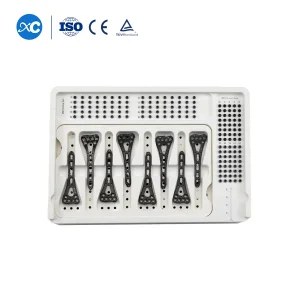
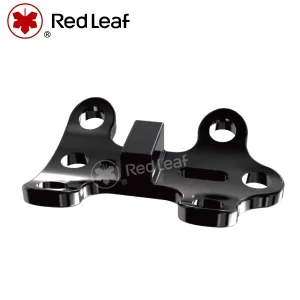
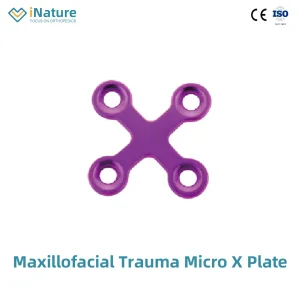
Our Titanium Cmf Locking Plates and Screws represent the pinnacle of biocompatible engineering. Designed for intricate maxillofacial and small bone reconstructions, these systems utilize Grade 5 Titanium for maximum strength-to-weight ratios. In the context of calcaneal surgery, the principles of rigid fixation and low-profile geometry are equally applied to ensure rapid patient recovery and reduced post-operative complications.
Moving beyond basic stainless steel, the industry is adopting advanced Titanium alloys and PEEK materials to enhance osseointegration and reduce imaging interference.
Pre-operative AI modeling allows for custom-bent plates. Our factory is integrating digital twin technology to simulate stress distribution on plates before production.
The trend is toward smaller incisions. Modern calcaneal plates are designed for sinus tarsi approaches, reducing wound healing complications significantly.
International procurement officers from Europe, North America, and Southeast Asia are increasingly looking to China-based calcaneal locking plate suppliers. This pivot is driven by the trifecta of quality, scalability, and cost-efficiency. As a leading manufacturer, we provide CE-marked and ISO-certified implants that rival Western brands in precision but offer a significantly more competitive price point, allowing hospitals to manage rising healthcare costs without compromising patient safety.
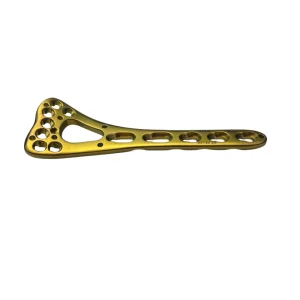
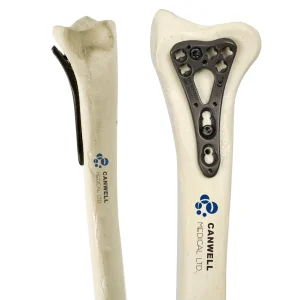
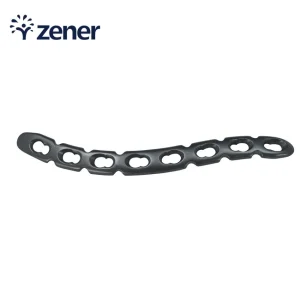
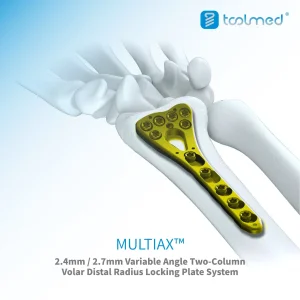
The Variable Angle Distal Volar Radius Compression LCP is a testament to our versatile manufacturing capability. Just as calcaneal fractures require specific anatomical alignment, our volar radius plates utilize variable angle locking technology, allowing surgeons to direct screws precisely to the stable bone fragments, a necessity in osteoporotic or comminuted fractures.
In the post-pandemic era, supply chain resilience is paramount. Our factory maintains a massive inventory and 3 dedicated production lines to ensure that international distributors never face "out-of-stock" scenarios. We understand that in orthopedic surgery, timing is everything; a delayed implant means a delayed surgery.
Calcaneal locking plates are not "one-size-fits-all." Different regions present different clinical challenges:
The company is committed to producing and selling advanced medical devices, equipment, and disposable medical supplies. Our product range primarily includes the production and sale of instruments for otolaryngology, orthopedics, urology, abdominal surgery, gynecology, and related disposable equipment, as well as sports and fitness equipment. The main focus is on orthopedic devices: implants, mechanical equipment, etc.
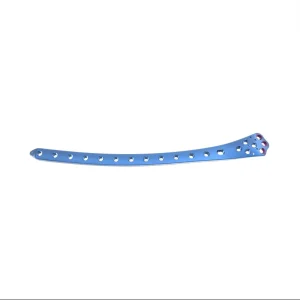
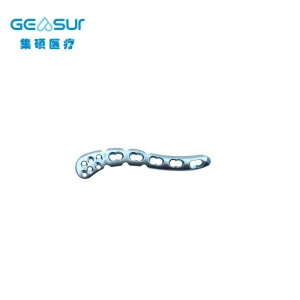
The engineering behind a calcaneal locking plate is multifaceted. Unlike long bone fractures, the calcaneus is primarily cancellous bone with a thin cortical shell. This requires a plate that provides a "box" construct. Our plates feature multiple screw holes directed towards the sustentaculum tali, the crucial "constant" fragment in calcaneal fractures. By locking the screws to the plate, the system acts as an internal fixator, maintaining the height and width of the heel bone against the significant pull of the Achilles tendon.
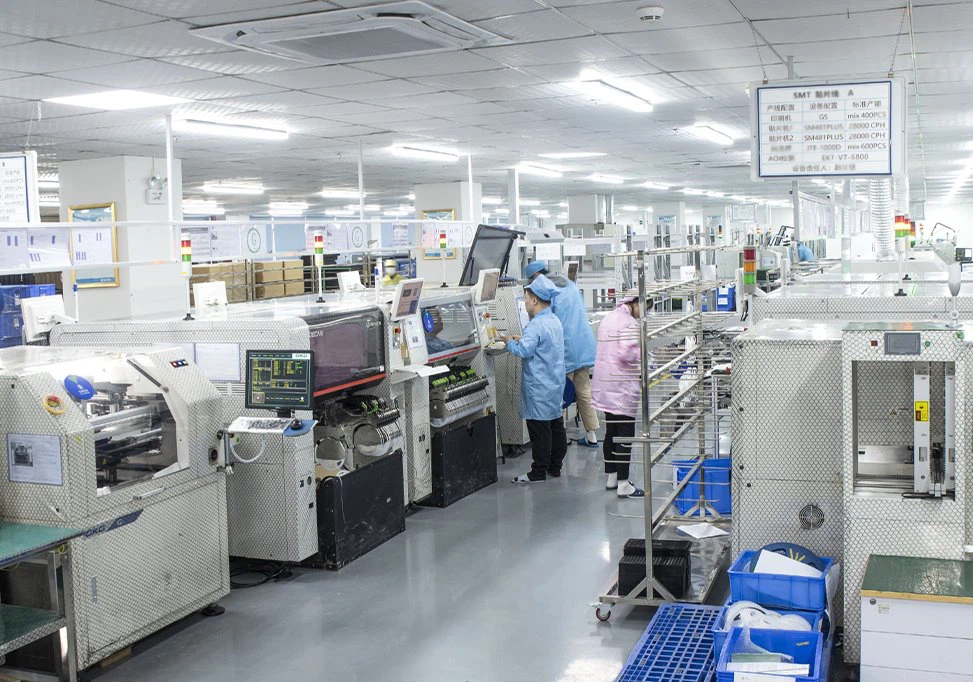
In our China-based factory, we utilize multi-axis CNC milling machines to ensure every plate's anatomical contour is precise. This reduces the need for intra-operative bending, which can weaken the metal and lead to stress corrosion. Our surface treatment process involves Type II anodization, which creates a bio-inert surface that reduces the risk of infection and metal ion release.
As we look toward the next decade, we are exploring "smart" locking plates embedded with strain sensors to monitor fracture healing in real-time. Furthermore, our commitment to sustainability means we are optimizing our manufacturing to reduce titanium waste and energy consumption, aligning with the global healthcare sector's move toward "Green Hospitals."
Our Products include: Urology Instruments; Laparoscopic Instruments; Gynecology Instruments; Otolaryngology Instruments; Orthopedic Instruments; Disposable Instruments; Devices. Our team of experts is dedicated to ensuring that our products meet the highest standards of quality and safety. Why choose Pure? Our company specializes in the production and sale of medical devices, and we pride ourselves on our commitment to excellence in every aspect of our business.
 Pure Orthopedic Implants