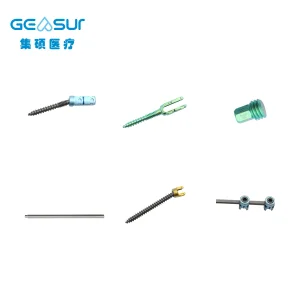
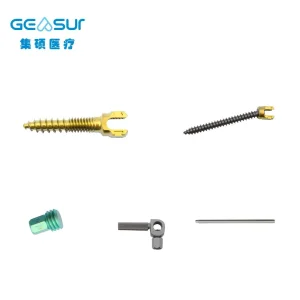
The global orthopedic market is witnessing a paradigm shift in Occipitocervical Fixation (OCF) technology. As a specialized surgical procedure intended to provide stability to the craniocervical junction, OCF has moved from rigid, cumbersome plates to sophisticated, polyaxial screw-rod systems. The industrial status of this sector is currently characterized by a high CAGR, driven by an aging global population and the increasing incidence of high-velocity cervical spine traumas.
Top-tier manufacturers and exporters are no longer just focused on mechanical strength; the focus has shifted towards biocompatibility, low-profile designs, and integration with navigation technology. The craniocervical junction is one of the most anatomically complex regions of the human body, involving the transition from the skull (occiput) to the highly mobile cervical vertebrae (C1 and C2). Engineering solutions must balance absolute immobilization with the preservation of surrounding neurovascular structures.
The Occipitocervical Fixation market is dominated by innovation hubs in North America, Europe, and increasingly, the advanced manufacturing clusters in China. Exporters today must navigate a complex regulatory landscape, including FDA 510(k) clearances, CE markings, and ISO 13485 certifications. For procurement officers, the challenge lies in sourcing systems that offer both surgical flexibility (varied screw diameters, modular connectors) and long-term implant survival.
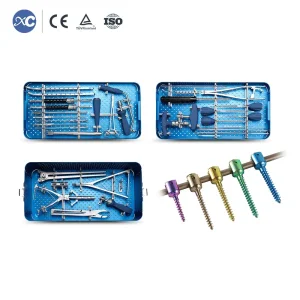
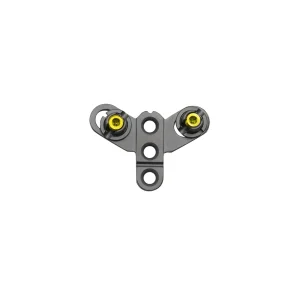
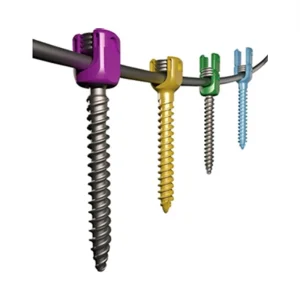
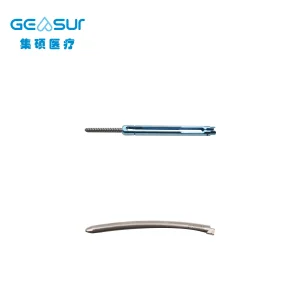
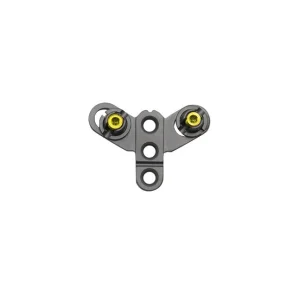
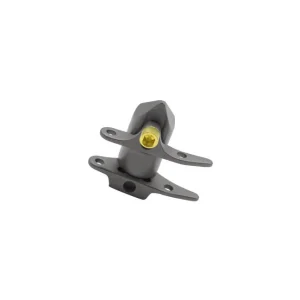
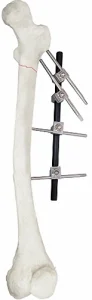
Modern OCF systems utilize Grade 5 Titanium alloys (Ti-6Al-4V) to ensure high fatigue strength and MRI compatibility. Our latest Spinal Internal Fixation Minimally Invasive System is designed specifically to reduce surgical time and soft tissue trauma. The inclusion of axial-rotation pedicle screws allows for anatomical variations in the atlas and axis, providing surgeons with unprecedented control during reduction and fixation.
As we look toward 2025-2030, the trends in Occipitocervical fixation are moving toward patient-specific implants (PSI). Utilizing CT data, manufacturers can now 3D-print titanium scaffolds that fit the unique contour of a patient's occipital bone perfectly. Furthermore, the integration of Artificial Intelligence in preoperative planning allows surgeons to simulate screw trajectories to avoid the vertebral artery and spinal cord.
Exporting these technologies requires a robust cold-chain and sterile-packaging logistics infrastructure. Manufacturers are also focusing on "Universal Systems" that are compatible with both pediatric and adult anatomy, broadening the application of OCF in treating congenital atlantoaxial instability.
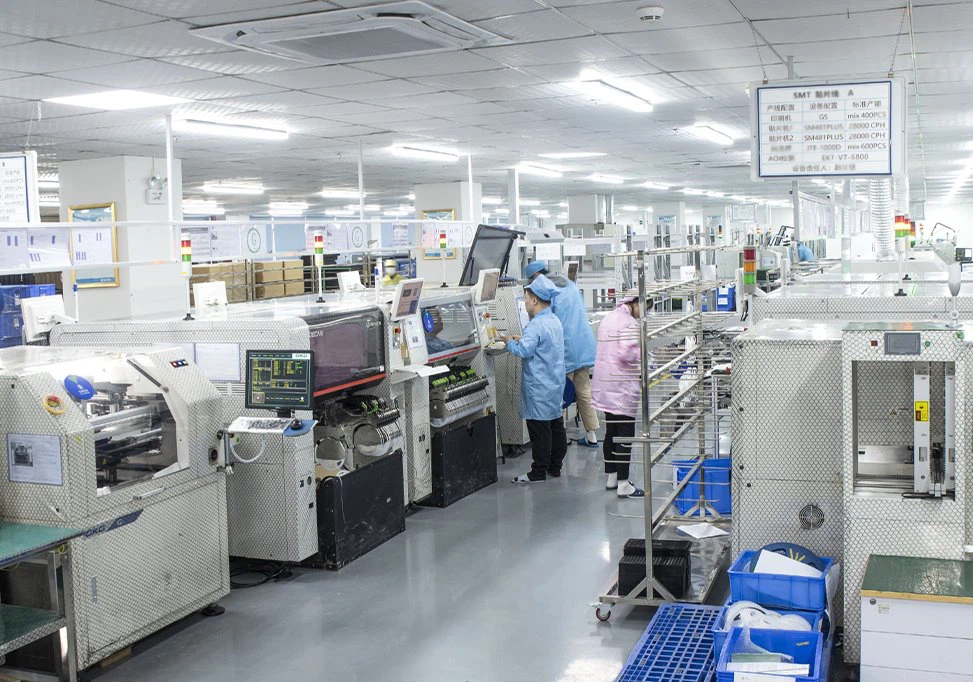
China has transitioned from a low-cost producer to a global leader in Precision Medical Device Manufacturing. Our factories leverage robotic CNC machining and automated clean-room packaging to ensure that every screw and plate meets the "Zero Defect" standard required for spinal surgery. By sourcing directly from a Chinese factory, global distributors can achieve a 40-60% cost reduction without compromising on the Grade 5 Titanium quality or the precision of the instrumentation.
In Europe and North America, OCF is frequently used for Rheumatoid Arthritis cases where the pannus causes basilar invagination. In Southeast Asia and Latin America, the primary demand stems from High-Energy Trauma (motorcycle accidents). Our systems are engineered to be versatile enough for both scenarios, offering rigid fixation for trauma and low-profile comfort for long-term degenerative care.
When selecting a Top 10 Occipitocervical Fixation manufacturer, procurement departments should utilize a weighted scoring matrix focusing on:
Our company stands at the intersection of Traditional Engineering Excellence and Modern AI-Driven Innovation. We don't just export products; we provide comprehensive surgical solutions including training modules and 24/7 technical support for hospital staff.
The company is committed to producing and selling advanced medical devices, equipment, and disposable medical supplies. Our product range primarily includes the production and sale of instruments for otolaryngology, orthopedics, urology, abdominal surgery, gynecology, and related disposable equipment, as well as sports and fitness equipment. The main focus is on orthopedic devices: implants, mechanical equipment, etc.
Our Product Portfolios include:
Why choose Pure? Our company specializes in the production and sale of medical devices, and we pride ourselves on our commitment to excellence in every aspect of our business. Our team of experts is dedicated to ensuring that our products meet the highest standards of quality and safety.
 Pure Orthopedic Implants