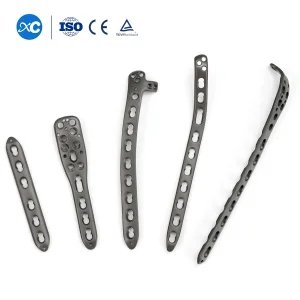
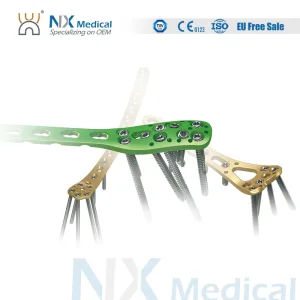
The global orthopedic implant market, particularly the segment focused on T-Plates and trauma fixation devices, is currently experiencing a transformative era. As the population ages globally and the incidence of traumatic injuries remains steady due to sports, industrial activities, and transportation, the demand for high-precision, biocompatible T-Plates has surged. These specialized plates, characterized by their "T" shape, are critical for stabilizing fractures in areas like the distal radius, distal tibia, and the craniomaxillofacial region.
Industry analysts project the orthopedic trauma fixation market to reach over $10 billion by 2028. This growth is driven by significant investments in Research and Development (R&D) across North America, Europe, and the Asia-Pacific region. Companies are no longer just focused on mechanical stability; they are integrating bio-mechanical compatibility and advanced materials like Grade 5 Titanium (Ti-6Al-4V ELI) to minimize post-surgical complications and accelerate osseointegration.
In the industrial sphere, the shift from conventional compression plates to Variable Angle Locking Compression Plates (VA-LCP) has redefined surgical standards. Modern T-Plates are now engineered using state-of-the-art CNC machining and laser-cutting technologies, ensuring each implant meets micron-level tolerances required for complex anatomical fits.
The industry gold standard, DePuy Synthes offers the most comprehensive portfolio of T-Plates featuring advanced locking technology and anatomical designs that reduce the need for intraoperative contouring.
Known for their Hoffmann and AxSOS systems, Stryker integrates digital surgical planning with high-performance orthopedic plates, focusing heavily on surgeon-centric ergonomics.
A leader in material science, Zimmer Biomet produces T-Plates with unique surface treatments designed to enhance soft tissue healing and reduce infection risks in trauma cases.
Focuses on the EVOS system, offering stainless steel and titanium T-Plates that provide multi-directional locking capabilities for complex intra-articular fractures.
Primarily leading in spinal and CMF solutions, Medtronic's T-plates are renowned for their precision in maxillofacial reconstruction and cranial stabilization.
Specializes in upper and lower extremity solutions. Their T-Plates for the distal radius are widely regarded for their low-profile design and anatomical accuracy.
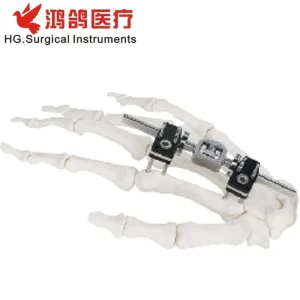
Combines internal and external fixation. Their T-Plate systems often work in tandem with dynamic fixators for complex limb salvage procedures.
A dominant force in small bone and joint fixation, providing specialized T-Plates for foot and ankle surgeries with high-fatigue resistance.
A rising titan in trauma, utilizing robotic-assisted manufacturing to produce T-Plates with ultra-consistent locking hole geometries.
Our featured Chinese manufacturing powerhouse. We bridge the gap between premium quality and economic efficiency, providing CE-certified T-Plates and locking systems to over 20+ countries.
The orthopedic industry is moving towards Personalized Medicine. We are seeing a transition from "one-size-fits-all" plates to patient-specific implants (PSI). While T-Plates remain a staple, the integration of 3D-printing (Additive Manufacturing) allows manufacturers to create porous structures on the plate's underside to promote bone ingrowth.
Another critical trend is the use of Radiolucent Materials. While Titanium remains the king due to its strength-to-weight ratio, PEEK (Polyetheretherketone) and carbon-fiber reinforced plates are being explored for oncological orthopedic applications where visualization of the bone through imaging is paramount.
Furthermore, Minimally Invasive Surgery (MIS) has necessitated the development of shorter, low-profile T-Plates with specialized instrumentation that allows percutaneous insertion, reducing patient recovery time and scarring.
Procurement departments in hospitals and distributors worldwide face several critical challenges when selecting a T-Plate supplier:
The implementation of EU MDR (Medical Device Regulation) and FDA 510(k) clearances are non-negotiable. Suppliers must provide comprehensive clinical data and technical files.
Post-pandemic, buyers are diversifying their sources. The reliance on a single geographic region is being replaced by "China Plus One" or multi-continental sourcing strategies.
While quality is paramount, health systems are under pressure to reduce costs. Direct-to-factory sourcing from reputable Chinese manufacturers like Pure Medical offers 30-50% cost savings without compromising on material grade (ISO 5832-3).
Our company, specializing in advanced medical devices, has established a 3000+ Square Meter modern production facility focused on orthopedic excellence. As a leading manufacturer of orthopedic instruments and implants, we leverage the robust industrial ecosystem of China to provide unmatched value.
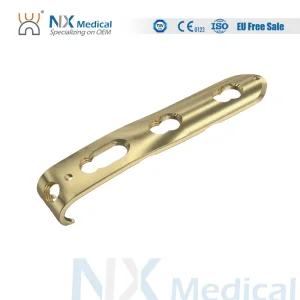
T-Plates are indispensable in several clinical settings:
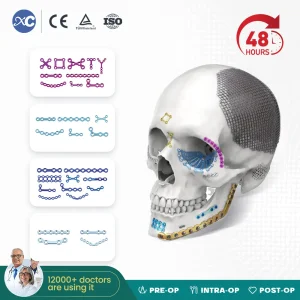
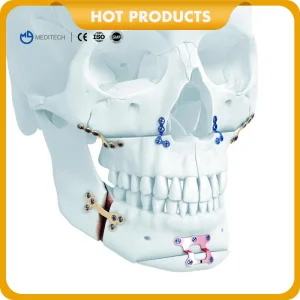
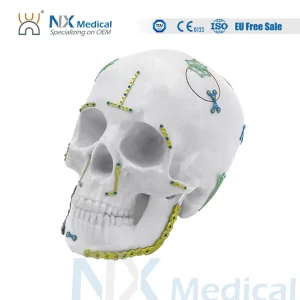
In craniomaxillofacial reconstruction, T-Plates provide the necessary bridge for mandibular fractures or mid-face trauma, ensuring patient aesthetic and functional recovery.
Common in elderly patients, volar T-Plates support the subchondral bone and maintain anatomical alignment, facilitating early mobilization.
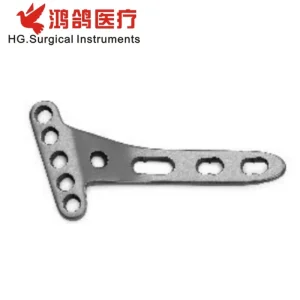
For long bones like the tibia or humerus, T-shaped configurations allow for optimal screw placement in the widened ends of the bone (metaphysis).
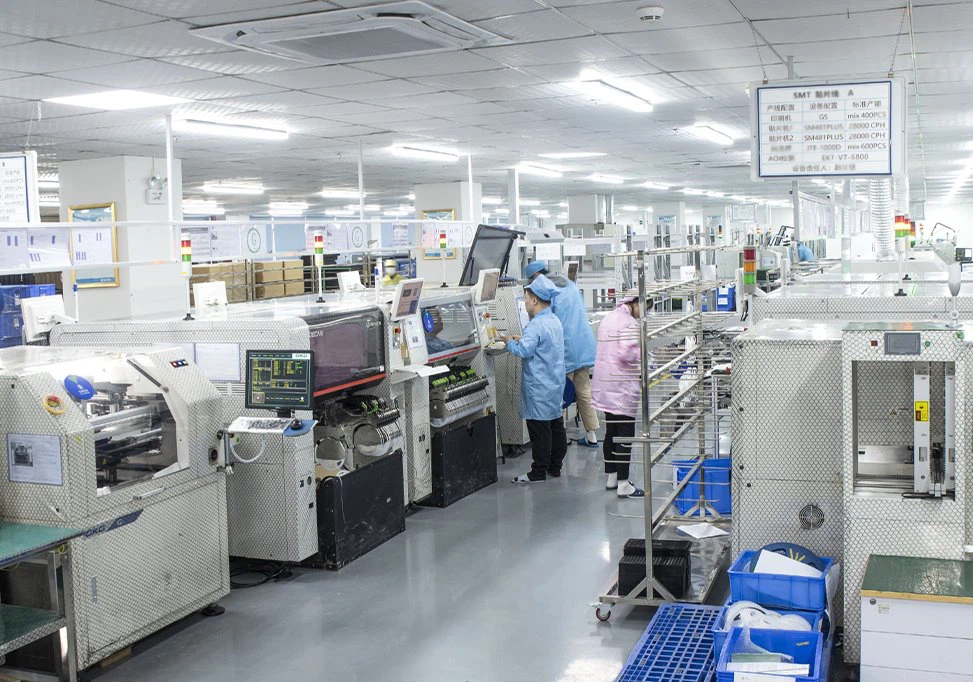
Our high-precision manufacturing facility ensures every orthopedic implant meets global surgical standards.
The efficacy of a T-Plate lies in its metallurgical integrity. At our facility, we prioritize Ti-6Al-4V Grade 5 titanium alloy. This material is chosen for its superior strength compared to commercially pure titanium, while maintaining excellent biocompatibility. The alloy's modulus of elasticity is closer to that of human bone than stainless steel, which helps in reducing the "stress shielding" effect—a common cause of bone resorption around implants.
Our T-Plates feature Combi-Holes. This design allows the surgeon to choose between dynamic compression and locking fixation within the same hole. This versatility is vital in trauma situations where the bone quality may vary across the fracture site. The locking mechanism involves a threaded screw head that locks into the plate, creating a "fixed-angle construct." This is particularly advantageous in osteoporotic bone where traditional screws might lose their "grip."
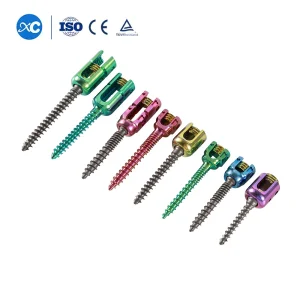
Surface finishing is another area of our expertise. We employ Type II Anodization, which creates a toughened surface layer on the titanium. This not only color-codes the plates for easier identification during surgery but also significantly reduces the coefficient of friction and enhances the fatigue life of the implant. By minimizing the release of metallic ions, our plates ensure long-term stability and minimal inflammatory response.
 Pure Orthopedic Implants