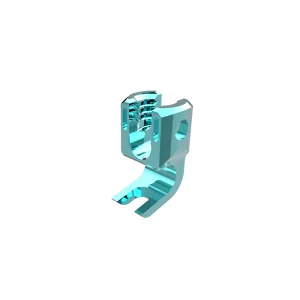
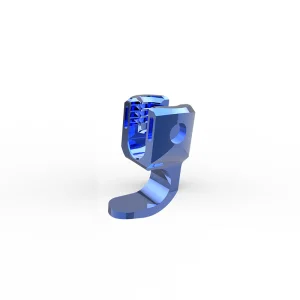
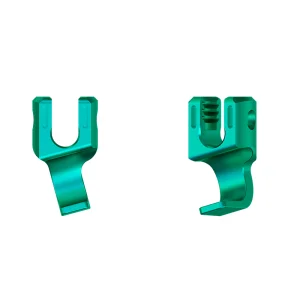
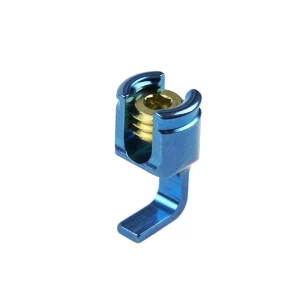
Engineered with medical-grade titanium alloy to offer optimal biocompatibility and maximum biomechanical pull-out resistance in low bone density scenarios.
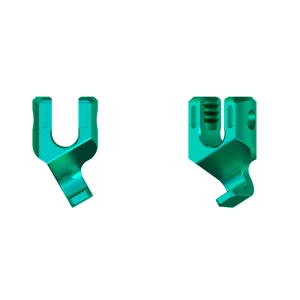
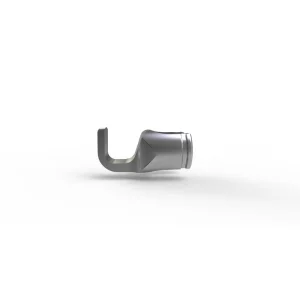
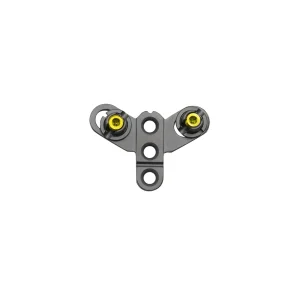
The healthcare infrastructure in the Central African Republic (CAR), centered heavily around major hubs such as the capital city of Bangui (including facilities like the Hôpital Communautaire de Bangui and the Complexe Pédiatrique de Bangui), experiences unique challenges in managing spinal pathologies. Traumatic spinal injuries resulting from motor vehicle accidents, construction falls, and severe developmental deformities like early-onset scoliosis require high-reliability implants. Additionally, infectious conditions such as tuberculous spondylitis (Pott's disease) demand advanced spinal stabilization to prevent paraplegia and structural collapse.
Due to the relative scarcity of specialized local manufacturing hubs within the CEMAC region (Central African Economic and Monetary Community), healthcare providers in CAR rely on leading international manufacturers to supply robust, fatigue-resistant spinal implants. The introduction of optimized titanium spinal hooks and rods provides local orthopedic surgeons and neurosurgeons with a versatile, biomechanically stable option that bypasses some of the structural challenges of poor bone density and compromised pedicle morphology frequently seen in late-presenting patients.
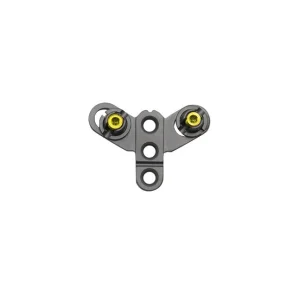
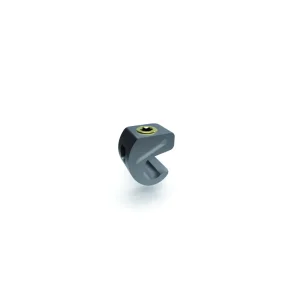
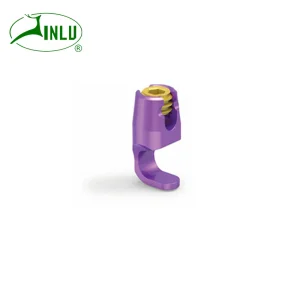
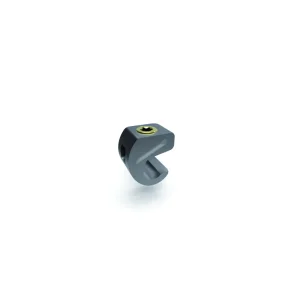
While pedicle screws have become a gold standard in global spine surgery, spinal hooks (laminar, pedicle, and transverse process hooks) remain indispensable clinical tools. In regions where intraoperative fluoroscopy or navigation might be limited, hooks offer a safer profile against neurological injury because they do not require intrapedicular path preparation. They anchor securely onto the intact bony laminae or processes of the vertebrae, distributing corrective loads across larger surface areas, making them ideal for both adolescent idiopathic scoliosis (AIS) corrections and complex salvage reconstructions.
Our spinal fixation systems are designed to withstand heavy physiological loads through state-of-the-art material treatments.
Exhibiting an outstanding strength-to-weight ratio and superior fatigue resistance under long-term cyclical loading, conforming to ASTM F136 standards.
Minimizes soft-tissue irritation post-implantation, facilitating quicker patient recovery and lower rates of revision surgeries in trauma centers.
Enhanced surface treatments on hook shoes and rod linkages ensure reliable mechanical interlocking to prevent slippage during scoliosis correction.
The global spinal implants market is witnessing rapid evolution driven by aging demographics, advancements in computer-aided design (CAD), and the rise of additive manufacturing (3D printing). Modern spine surgery is shifting away from rigid static constructs toward dynamic stabilization and custom-made patient-specific implants. However, rigid fixation via hooks, rods, and crosslink connectors remains the foundational base for posterior stabilization globally.
One of the primary technology trends is the optimization of surface textures. Micro-roughness on implant surfaces helps to stimulate osteoblast proliferation and differentiation, leading to faster and more reliable bone-implant integration. Additionally, medical device manufacturers are implementing rigorous quality testing protocols—such as ASTM F1717 and ASTM F1798—which evaluate the static and fatigue strengths of spinal implant constructs, ensuring that products exported to emerging markets like Central Africa perform flawlessly under realistic load limits.
Looking ahead, the integration of smart sensors into spinal rods is in development phases. These sensors can measure strain levels and track fusion progression in real-time, sending data wirelessly to the surgical team. Furthermore, bioabsorbable materials and carbon-fiber-reinforced PEEK (polyetheretherketone) rods are gaining interest to reduce MRI artifacts, giving radiologists a clearer view of the spine during follow-up imaging. For regions like CAR, the focus remains on high-strength, high-reliability mechanical systems that provide absolute stability at reasonable cost structures, ensuring broad clinical access.
The company is committed to producing and selling advanced medical devices, equipment, and disposable medical supplies. Our product range primarily includes the production and sale of instruments for otolaryngology, orthopedics, urology, abdominal surgery, gynecology, and related disposable equipment, as well as sports and fitness equipment. The main focus is on orthopedic devices: implants, mechanical equipment, and surgical instruments.
Our Products: Urology Instruments; Laparoscopic Instruments; Gynecology Instruments; Otolaryngology Instruments; Orthopedic Instruments; Disposable Instruments; Devices. Our team of experts is dedicated to ensuring that our products meet the highest standards of quality and safety.
Why choose Pure? Our company specializes in the production and sale of medical devices, and we pride ourselves on our commitment to excellence in every aspect of our business. With a state-of-the-art facility covering over 3000+ square meters, dedicated technicians, and more than 20+ specialized canes and supports manufacturing capability, we ensure all surgical solutions satisfy global clinical expectations.
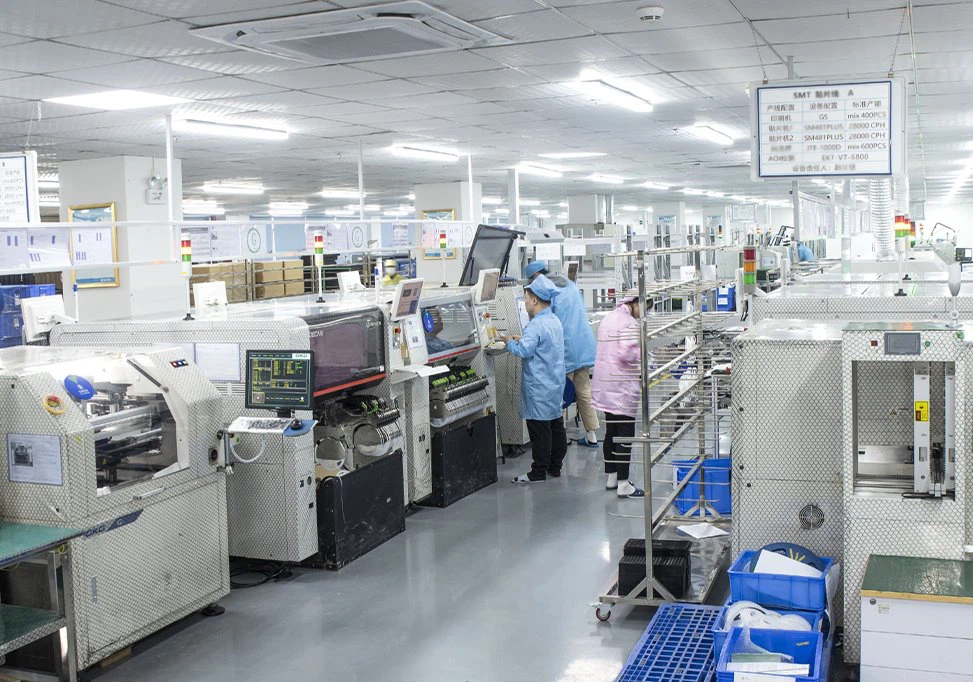
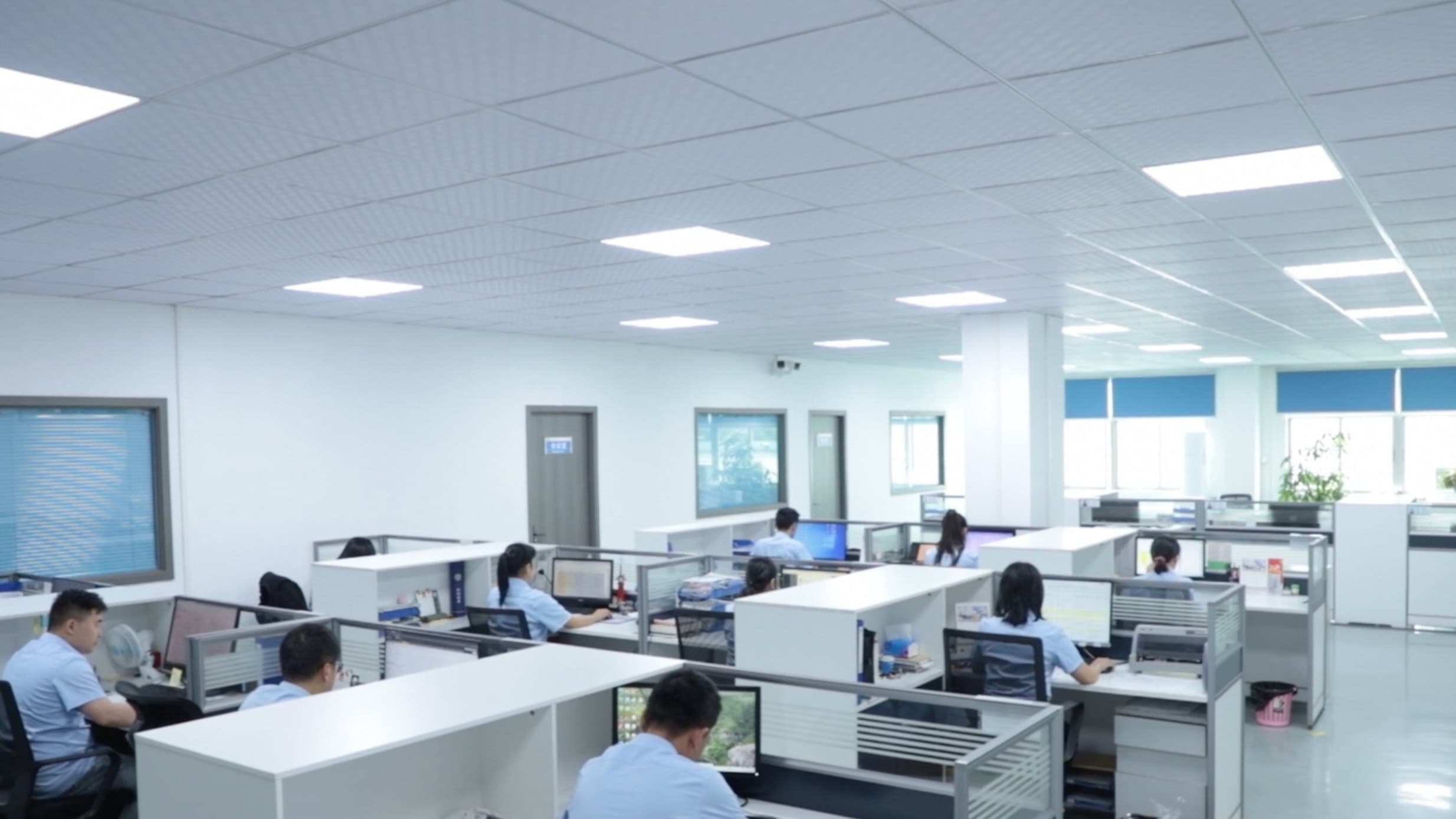
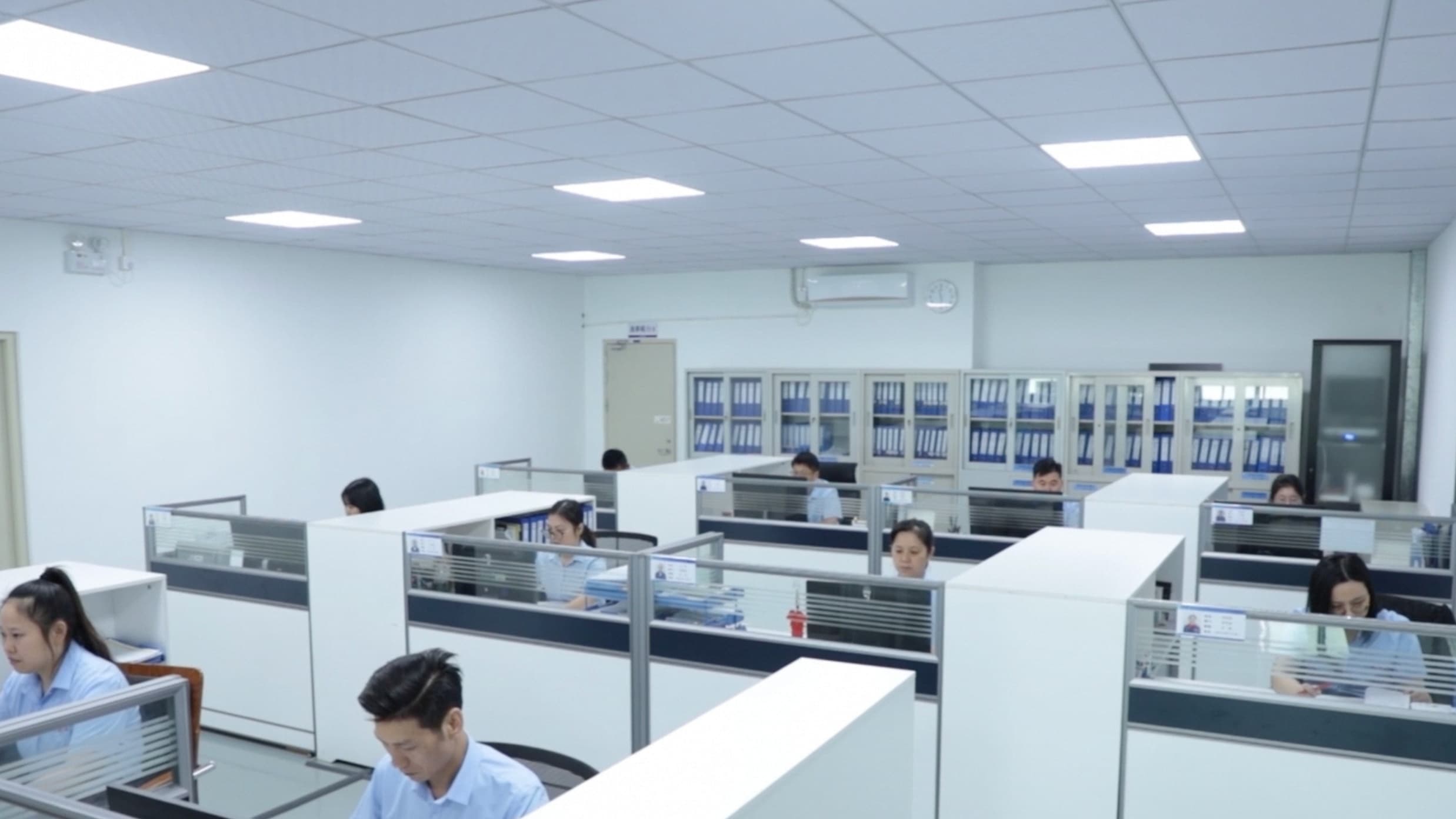
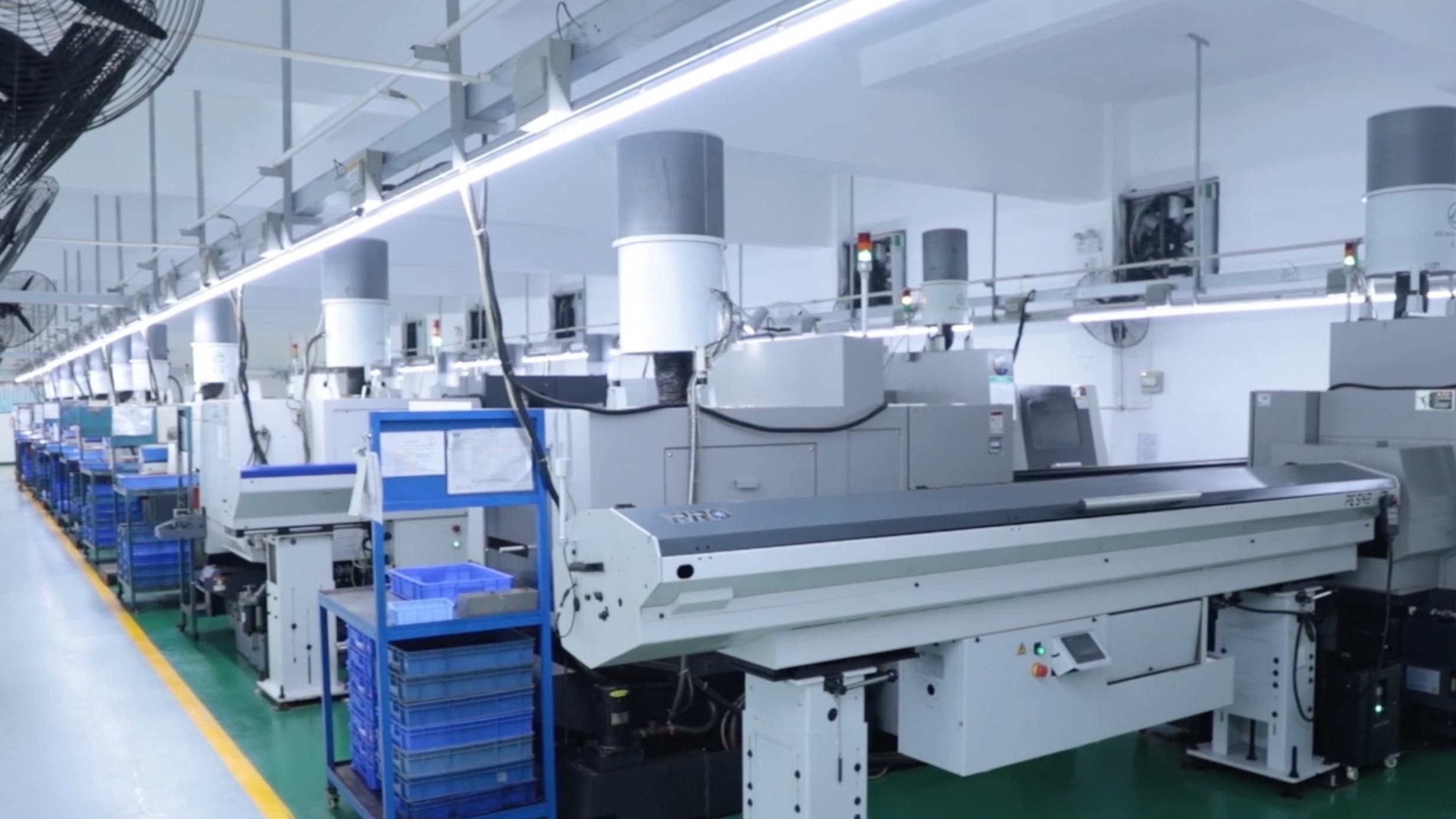
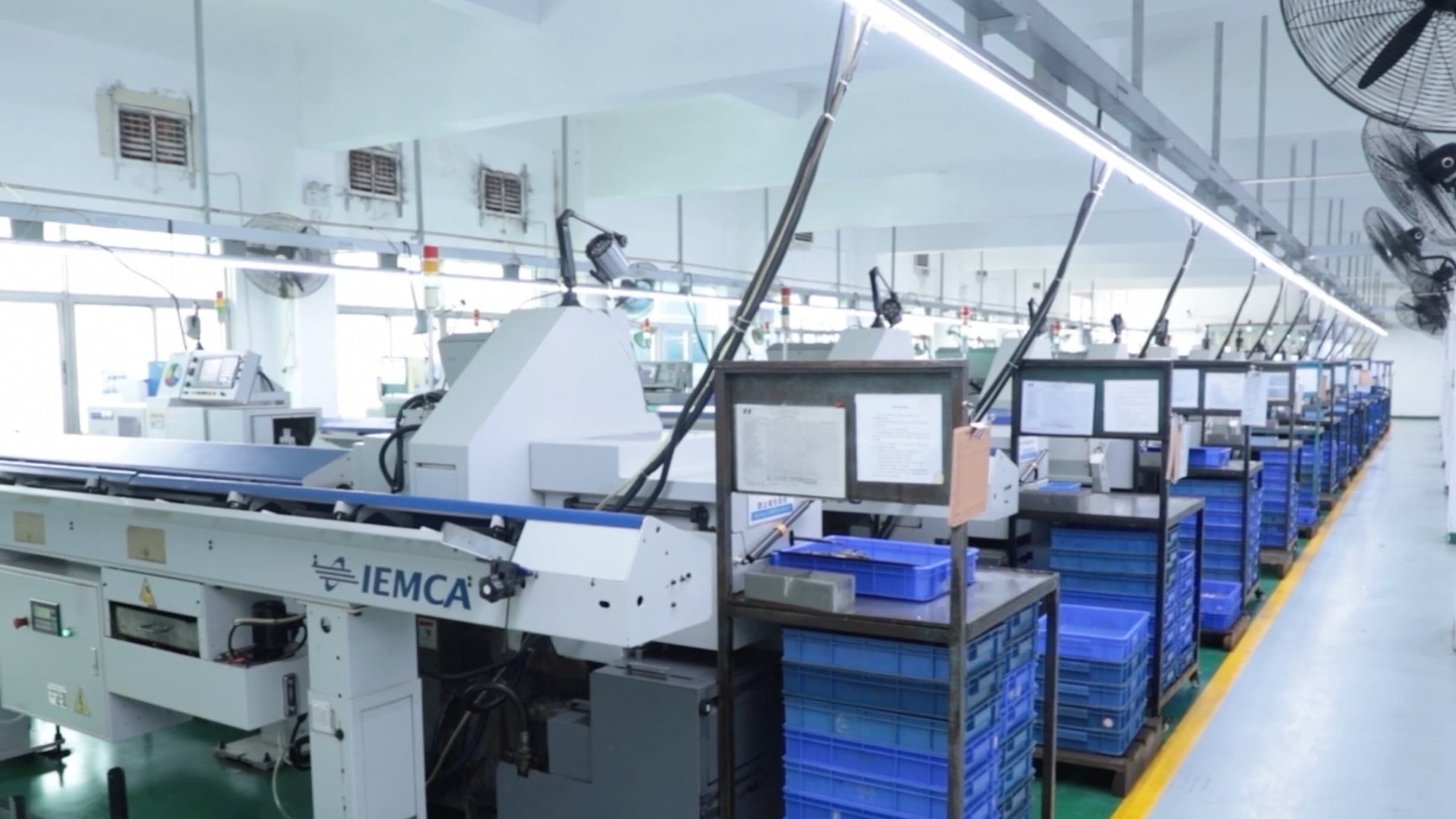
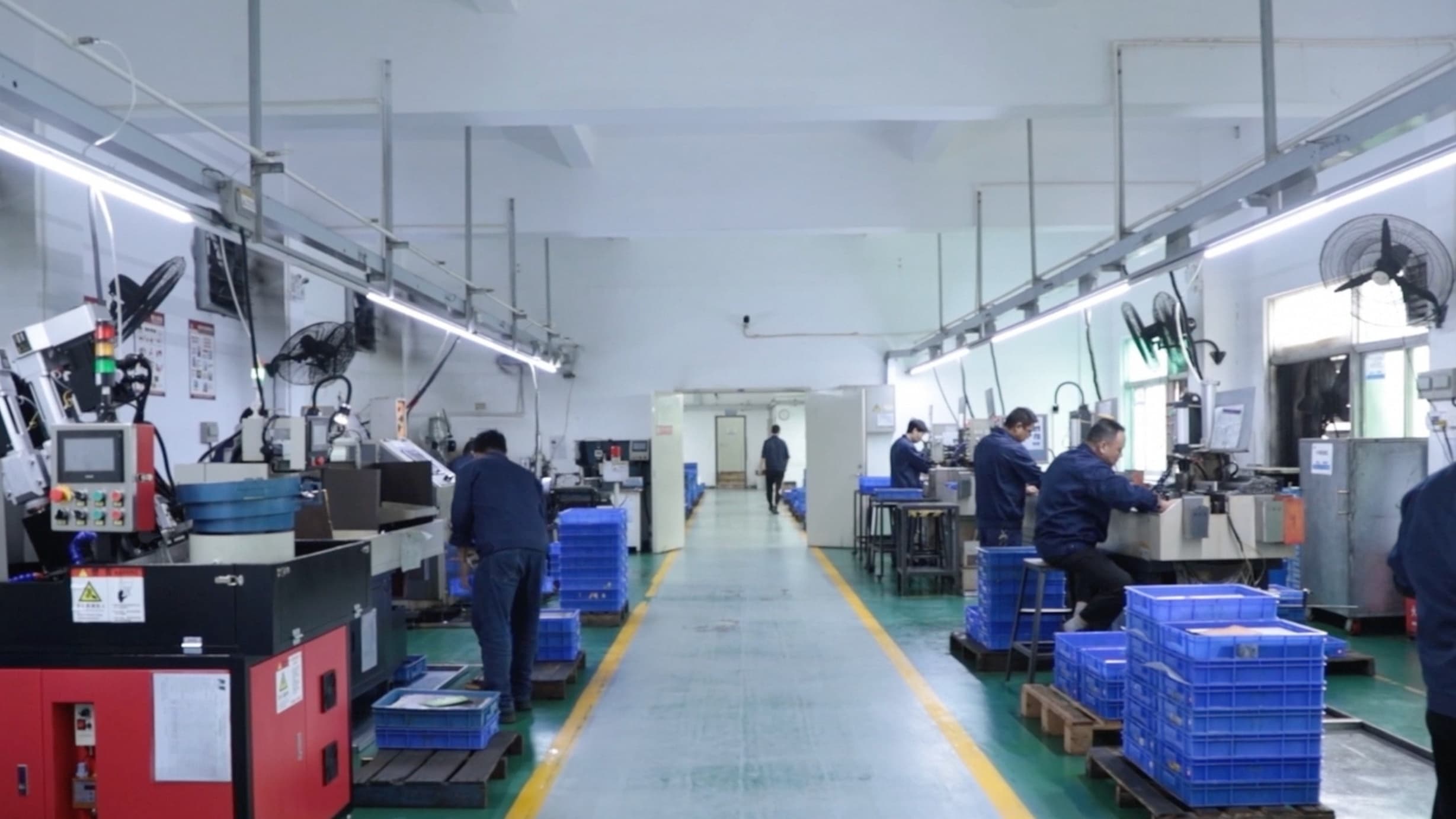
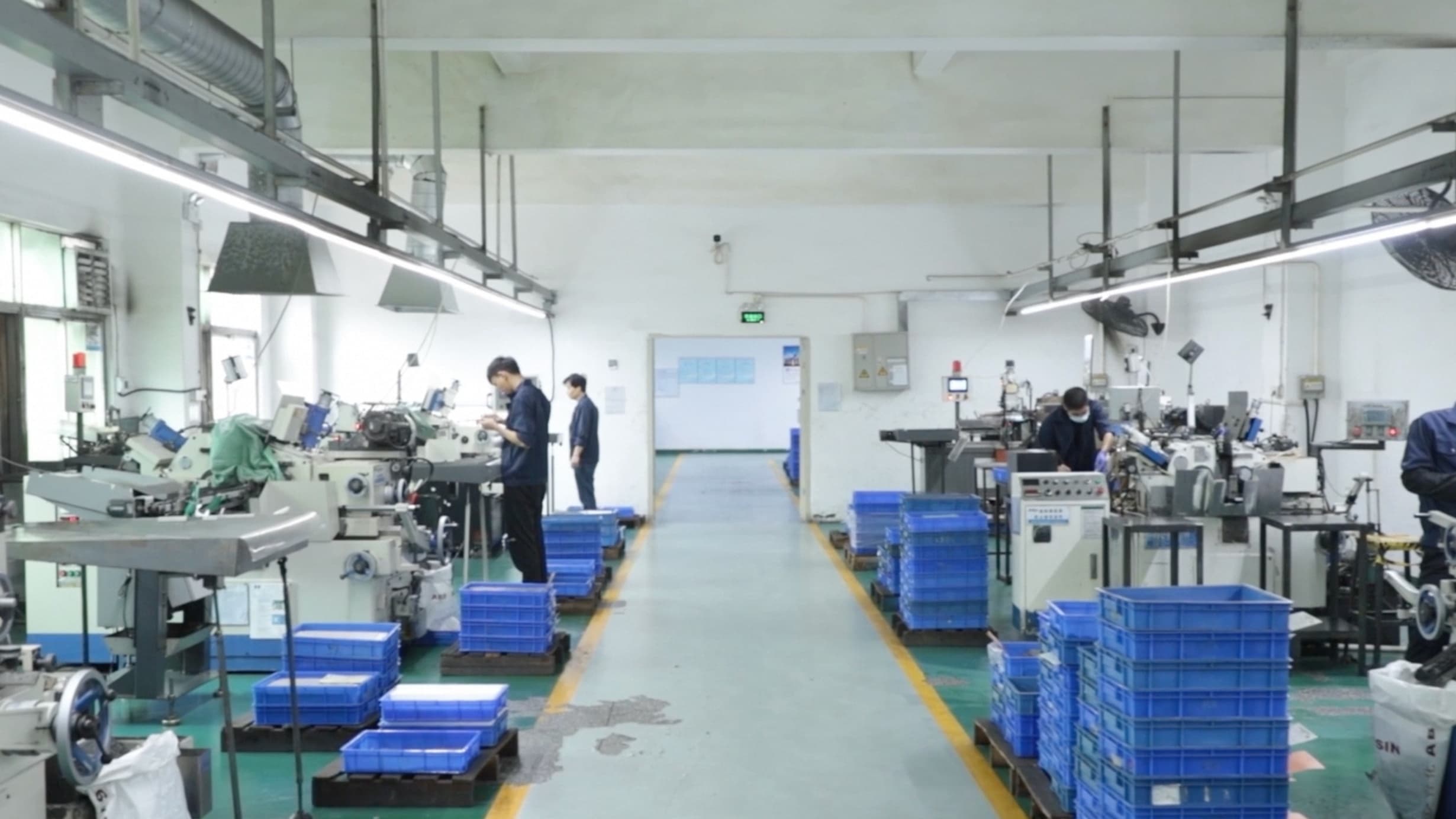
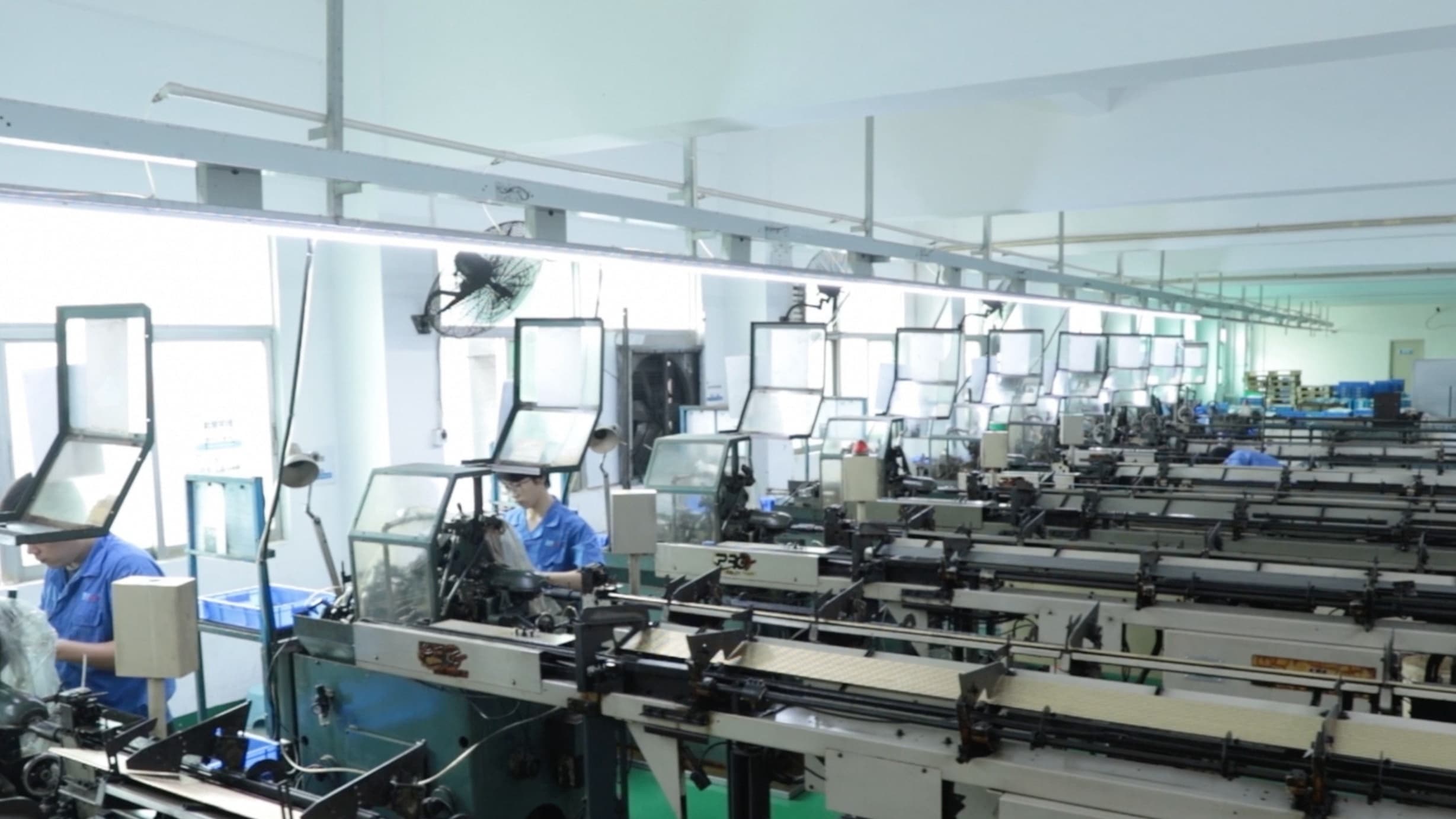
Deploying advanced implants in developing markets like Central African Republic, Chad, and Cameroon requires more than just shipping boxes of implants. It requires a holistic industrial solution that guarantees uninterrupted supply chains, comprehensive training, and surgical instrument compatibility.
Expert technical insights regarding clinical usage, materials, and distribution in CAR.
Discover our wider range of spine surgical components, including laminar hooks, posterior cervical connectors, and crosslink stabilizers.
 Pure Orthopedic Implants