Total Knee Replacement (TKR) Manufacturer & Factories in the Equatorial Guinea Market

Elevating Orthopedic Standard Across Central Africa: Advanced Titanium Implants, High-Precision Manufacturing, and Global Procurement Synergies for Superior Patient Outcomes.

Featured TKR Implants & Systems

Primary Clinical Selection for West & Central African Markets

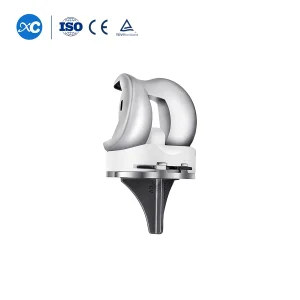
Artificial Titanium Knee Replacement System

Premium Artificial Titanium Knee Replacement System for Equatorial Guinea Hospitals

View Product Specifications
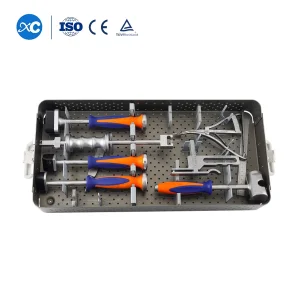
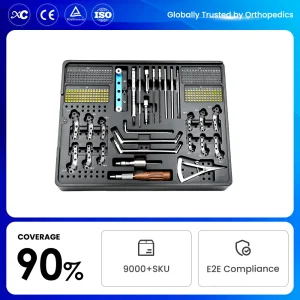
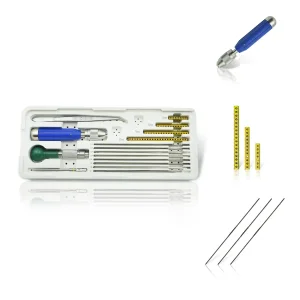
Titanium Knee Replacement Instrument Set

TKA/TKR Primary Knee Joint Prosthesis Instrument Set for Malabo Clinics

View Product Specifications
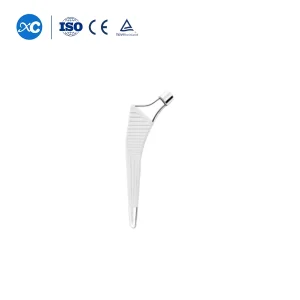
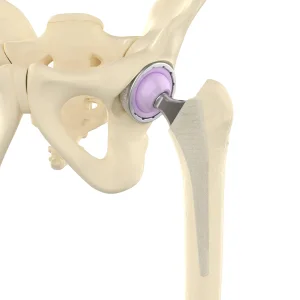
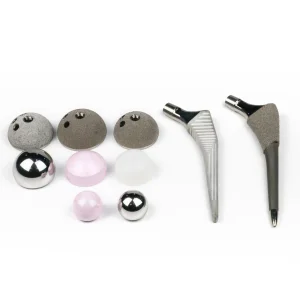
Total Hip Replacement Titanium Prosthesis

Advanced Orthopedic Total Hip Replacement Titanium Prosthesis for Equatorial Guinea Surgery Centers

View Product Specifications
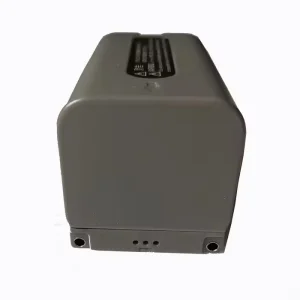
Surveying Instrument Battery

High-Capacity Surveying Battery Unit (Bdc72 replacement) for Infrastructure Development in Equatorial Guinea

View Product Specifications

Equatorial Guinea Orthopedic Market: Comprehensive Commercial & Clinical Assessment

As the healthcare landscape across West-Central Africa evolves rapidly, Equatorial Guinea stands at a pivotal juncture. Driven by national development frameworks and an expansion of both public and private clinical networks—such as the state-of-the-art facilities in Malabo and Bata—the demand for advanced orthopedic implants has risen exponentially. Historically dependent on complex, high-friction supply routes from Western Europe, hospital administrators, distributors, and procurement professionals in Equatorial Guinea are shifting toward direct factory partnerships. By aligning with high-efficiency, certified manufacturers, clinical networks can secure premium materials—such as Titanium Alloys (Ti6Al4V) and Ultra-High-Molecular-Weight Polyethylene (UHMWPE)—while maintaining structural cost-efficiency.

Semantic Insight: Why Direct Factory Sourcing is Essential for Equatorial Guinea

In high-humidity, sub-Saharan coastal environments, logistical delays can compromise sterile packaging integrity. Sourcing directly from manufacturers operating under cleanroom environments certified to ISO 13485 ensures that joint prostheses and fixation kits arrive with verified sterilization envelopes, reducing hospital-acquired infection rates and improving long-term survivorship of implants.

The Local Commercial and Industrial Landscape

Equatorial Guinea's unique geographical profile—comprising the insular region of Bioko and the continental Rio Muni—creates distinct medical distribution challenges. Urban healthcare hubs, including the La Paz Medical Center network, are pioneering complex arthroplasty procedures. However, the absence of local medical grade metallurgical production means 100% of joint replacement implants are imported. This reliance makes the market highly sensitive to supply chain volatility and landed cost fluctuations. Leading distributors are actively establishing streamlined supply pathways that bypass traditional multi-tiered brokerages, negotiating directly with manufacturing facilities capable of preparing customized, steril-packaged orthopedic kits ready for immediate theater use.

Global TKR and Joint Replacement Industry Dynamics

The global joint replacement industry is shifting toward personalized medicine, driven by advanced imaging and digital fabrication. In 2024, the global Total Knee Arthroplasty (TKA) market continues to grow, fueled by aging demographics and the expansion of healthcare access in emerging economies. The technological transition from traditional cast Cobalt-Chromium (CoCr) alloys to additive-manufactured 3D-printed Titanium components has revolutionized bone ingrowth. Direct structural integration, or osseointegration, has drastically reduced the incidence of aseptic loosening—the leading cause of long-term implant failure. This global standard is now the baseline benchmark that African clinical institutions demand for their orthopedic departments.

Advanced Materials Science

Utilizing high-grade biocompatible Ti-6Al-4V ELI (Extra Low Interstitials) and medical-grade UHMWPE to minimize wear debris and maximize the functional lifespan of the knee joint.

Additive Manufacturing

Precision 3D printing of trabecular metal structures that mimic natural cancellous bone, facilitating accelerated bone-implant fixation and recovery.

Regulatory Conformity

Rigorous verification aligning with CE marking, FDA 510(k) clearances, and ISO 13485 certification protocols, ensuring safety compliance across global borders.
Chinese Manufacturing Excellence & Supply Chain Efficiency

Optimized Production Cycles & Global Distribution Scalability

China's orthopedic manufacturing sector has evolved into a global powerhouse, utilizing advanced automation, robotics, and integrated supply networks to deliver high-quality implants at highly competitive price points. By concentrating manufacturing operations within specialized clusters, Chinese factories achieve economies of scale that reduce unit costs without compromising clinical performance. For markets like Equatorial Guinea, this translates into access to premium-grade implants at a fraction of the cost of traditional European alternatives.

Key advantages include state-of-the-art CNC multi-axis milling machines, automated cleanrooms, and robust quality control systems that ensure dimensional consistency down to the micron. These technological capabilities enable the rapid production of custom implants tailored to specific patient populations or surgical requirements. Additionally, streamlined shipping and customs clearance procedures expedite transit times, ensuring timely delivery to West African distribution hubs.

Manufacturing Infrastructure & Corporate Commitment

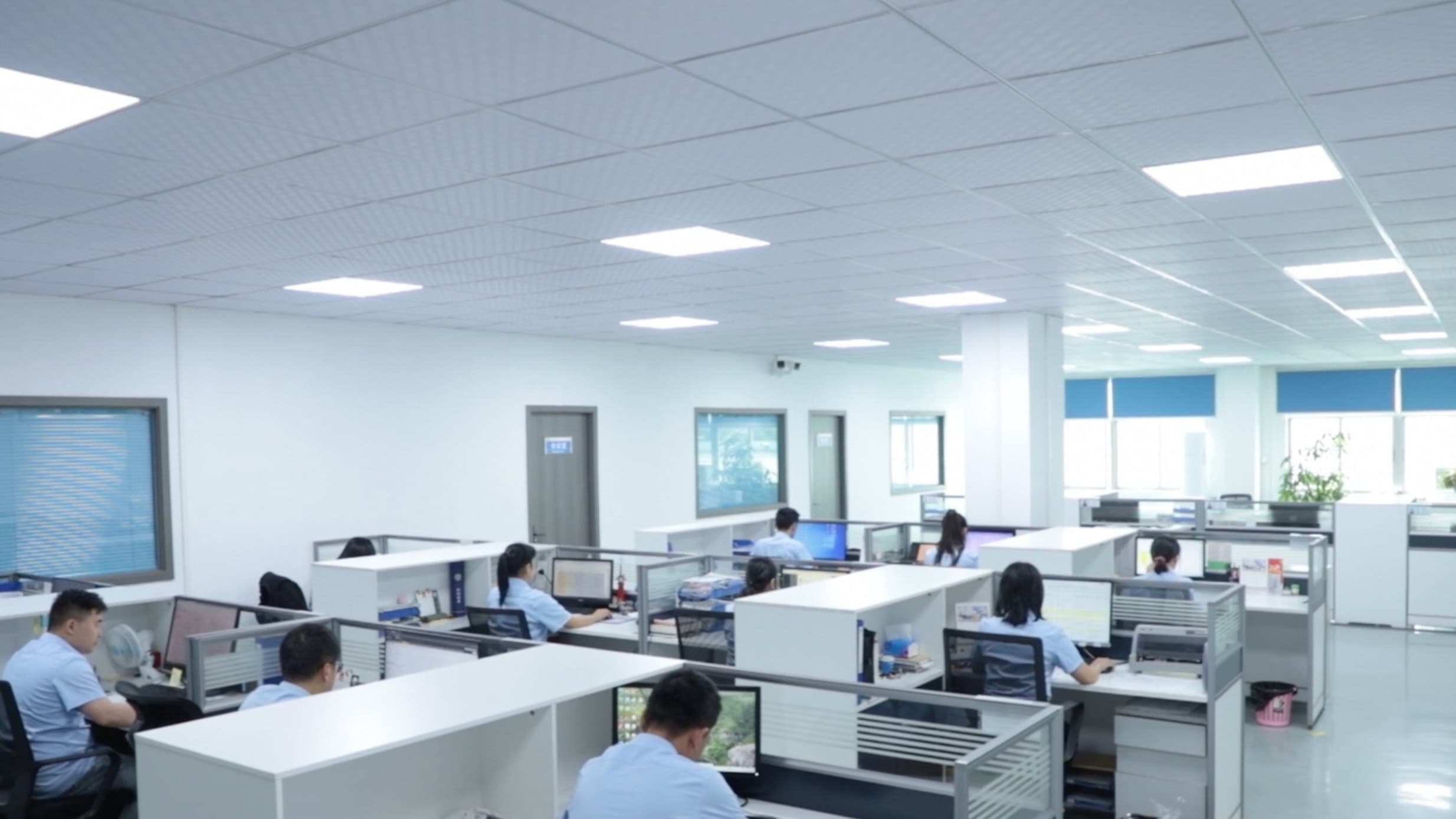
The company is committed to producing and selling advanced medical devices, equipment, and disposable medical supplies. Our product range primarily includes the production and sale of instruments for otolaryngology, orthopedics, urology, abdominal surgery, gynecology, and related disposable equipment, as well as sports and fitness equipment. The main focus is on orthopedic devices: implants, mechanical equipment, etc.

Our comprehensive portfolio covers: Urology Instruments; Laparoscopic Instruments; Gynecology Instruments; Otolaryngology Instruments; Orthopedic Instruments; Disposable Instruments; Devices. Our team of experts is dedicated to ensuring that our products meet the highest standards of quality and safety.

3000+ Square Meters Built
20+ Canes
3 Production Lines
20+ Exporting Countries

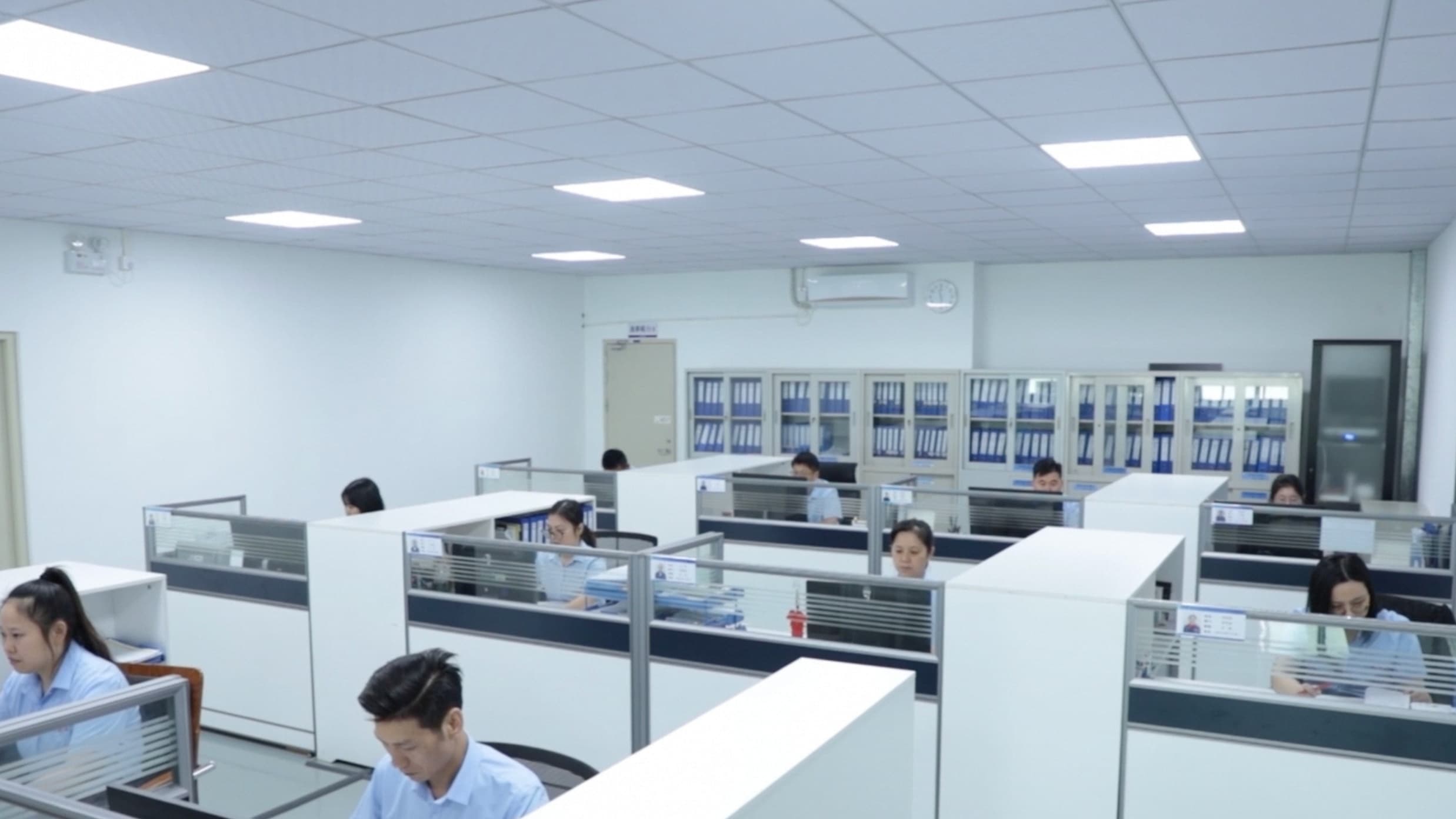
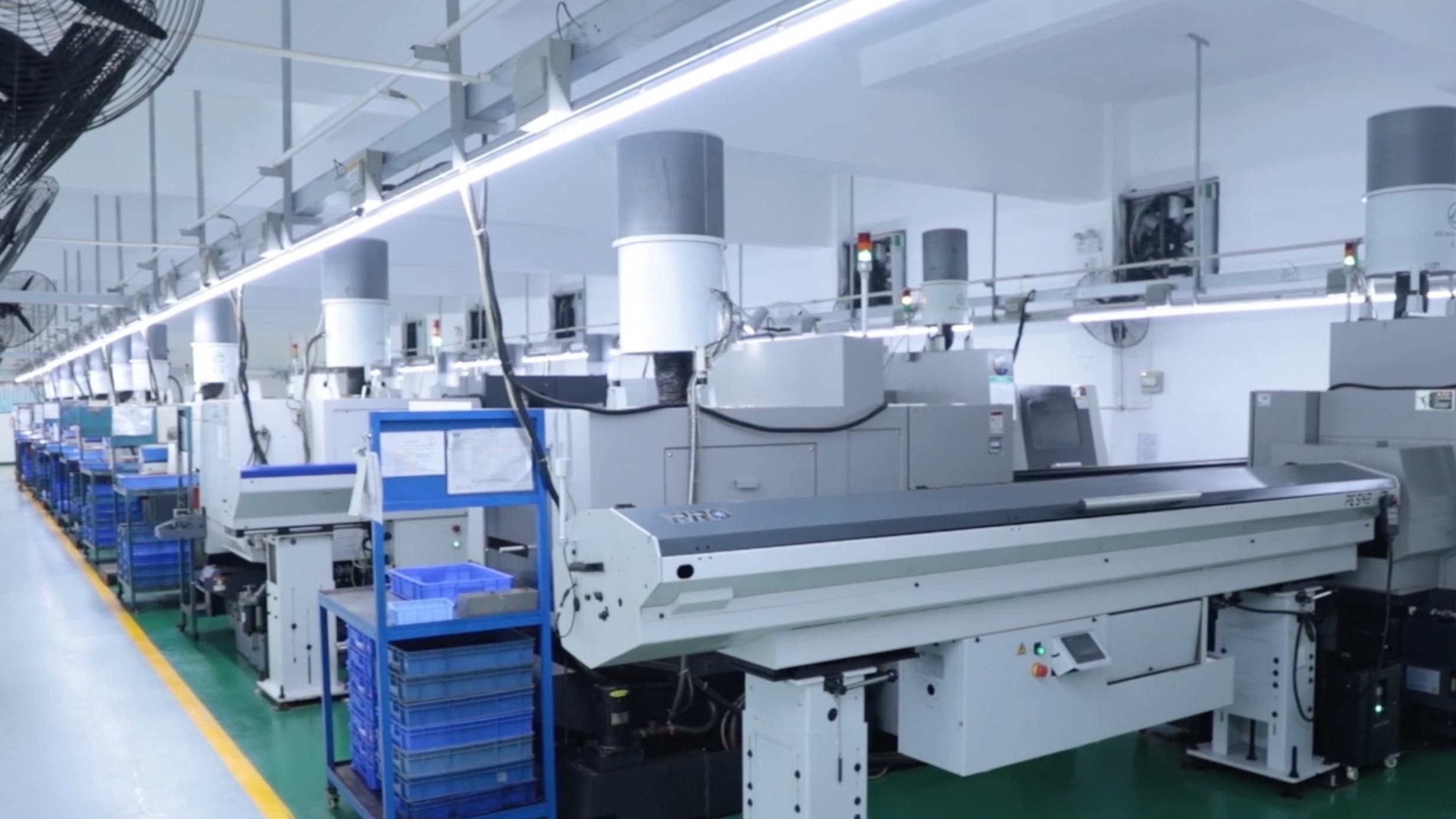
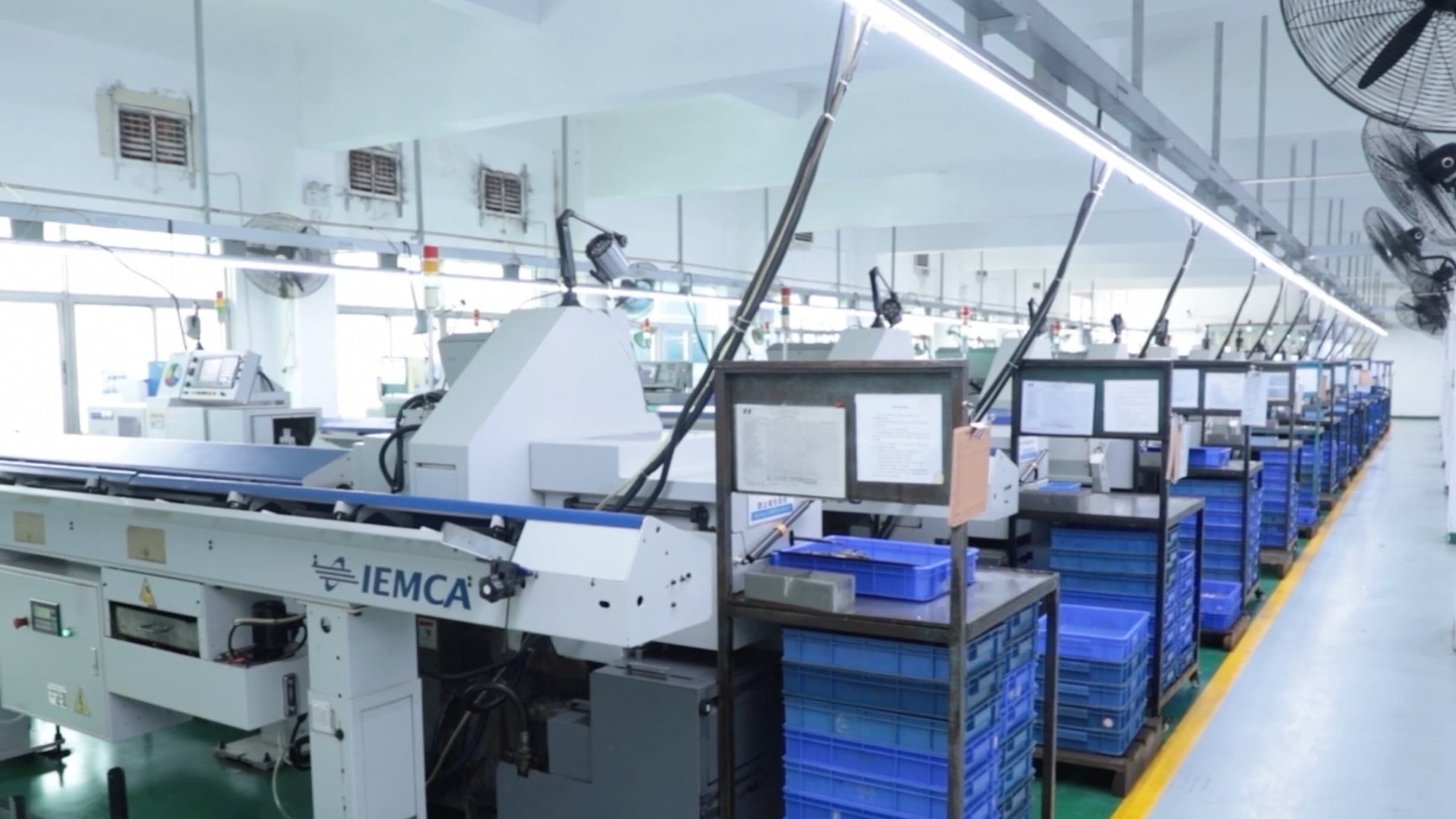
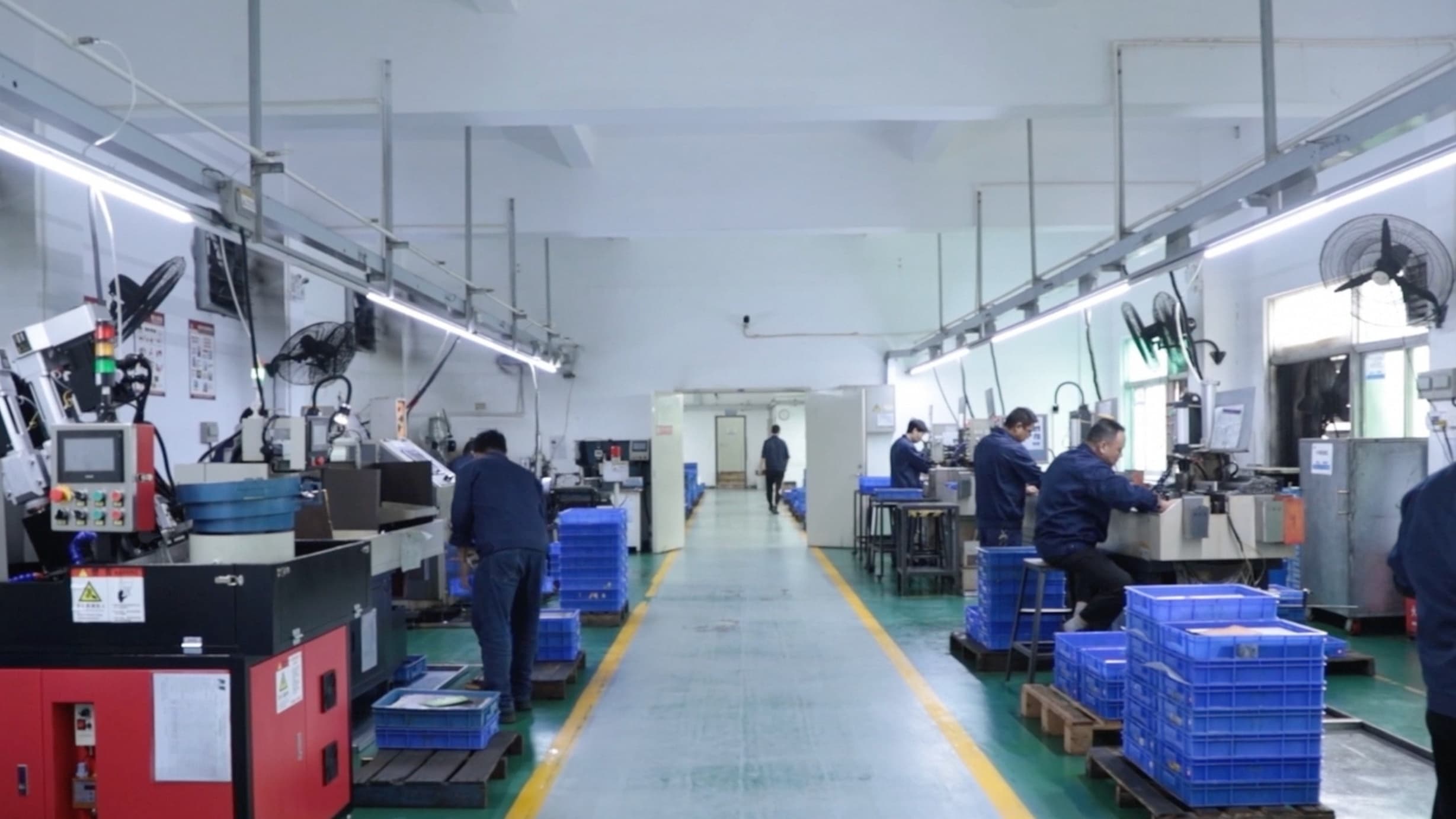
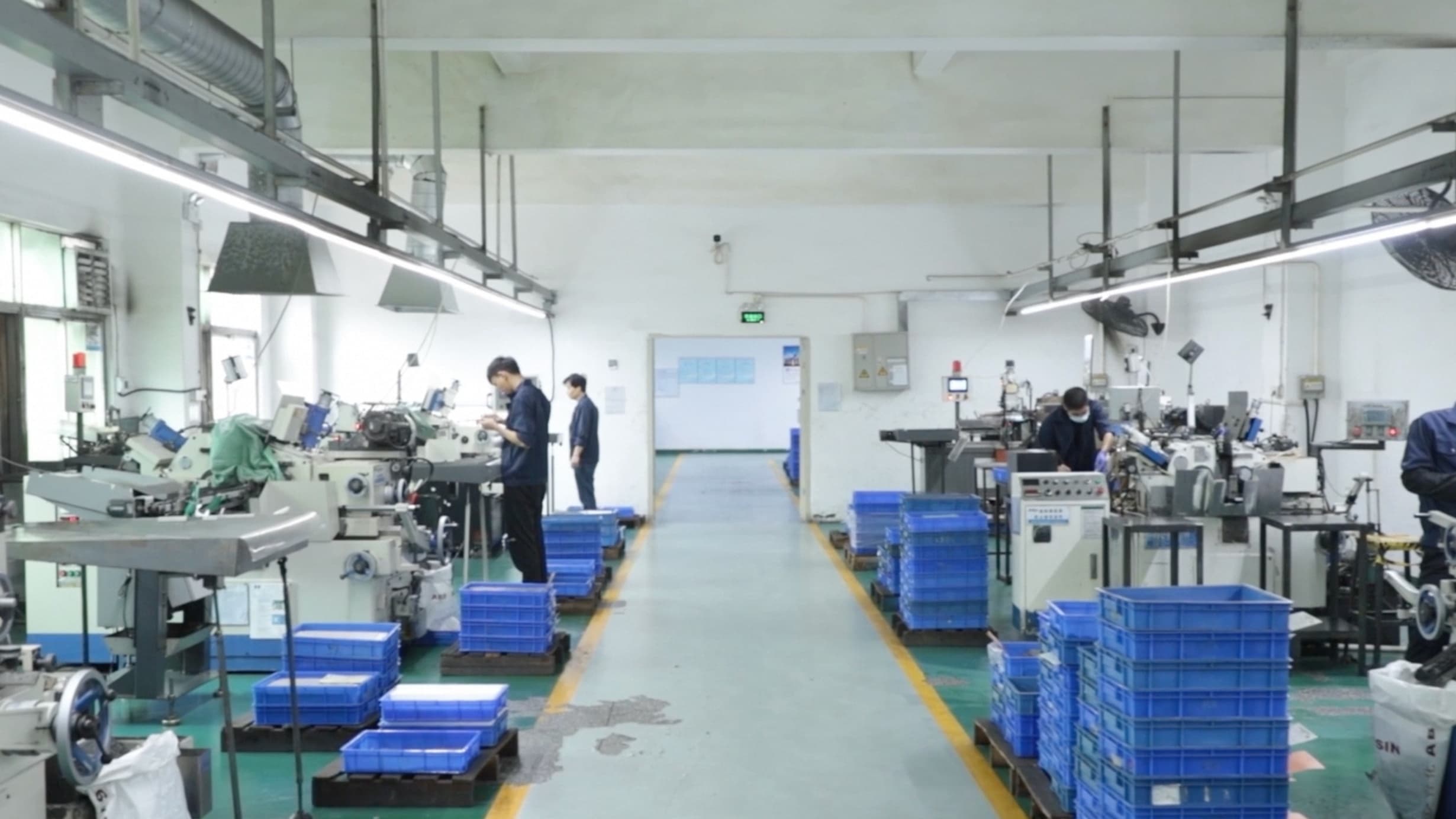
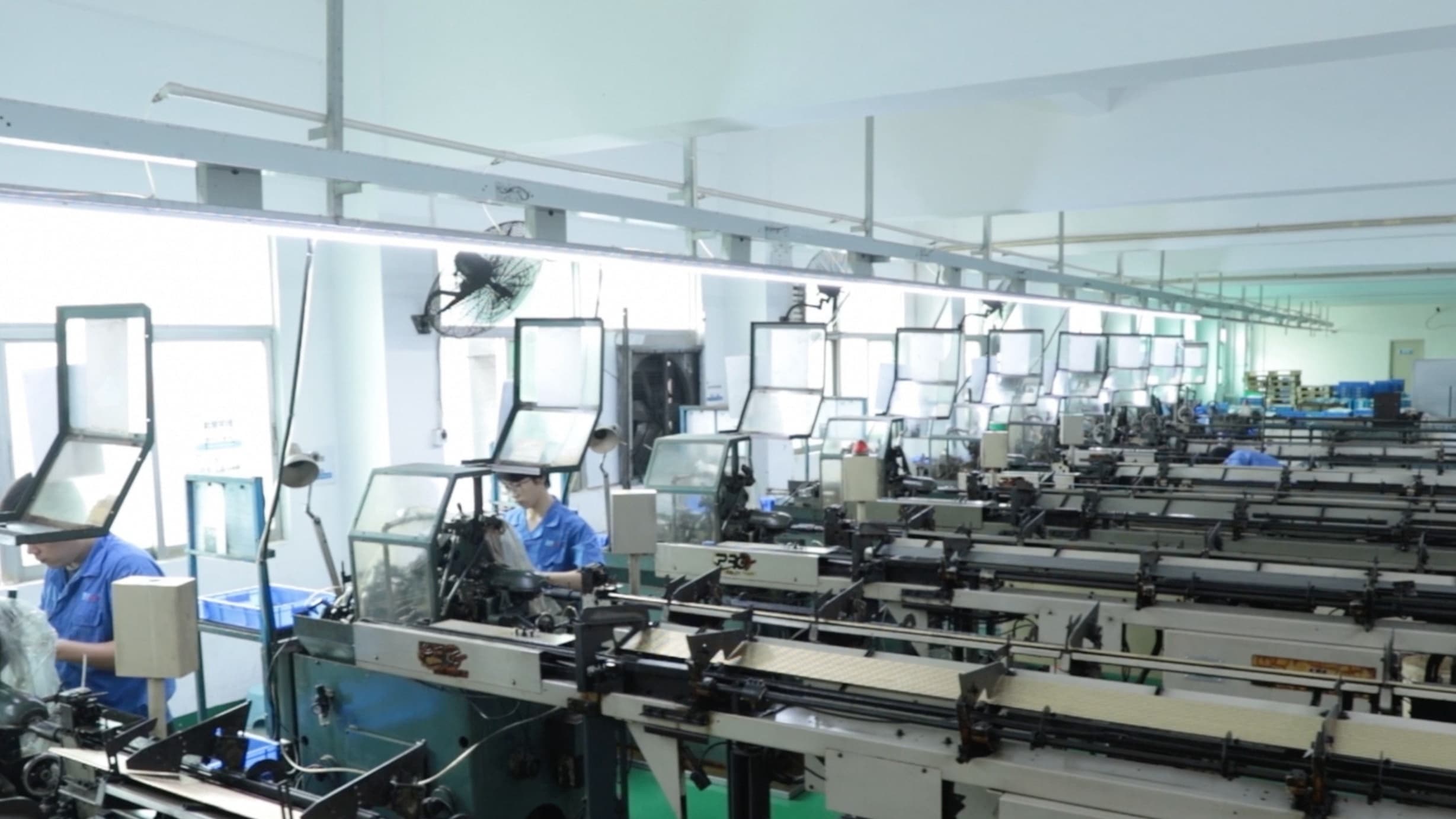
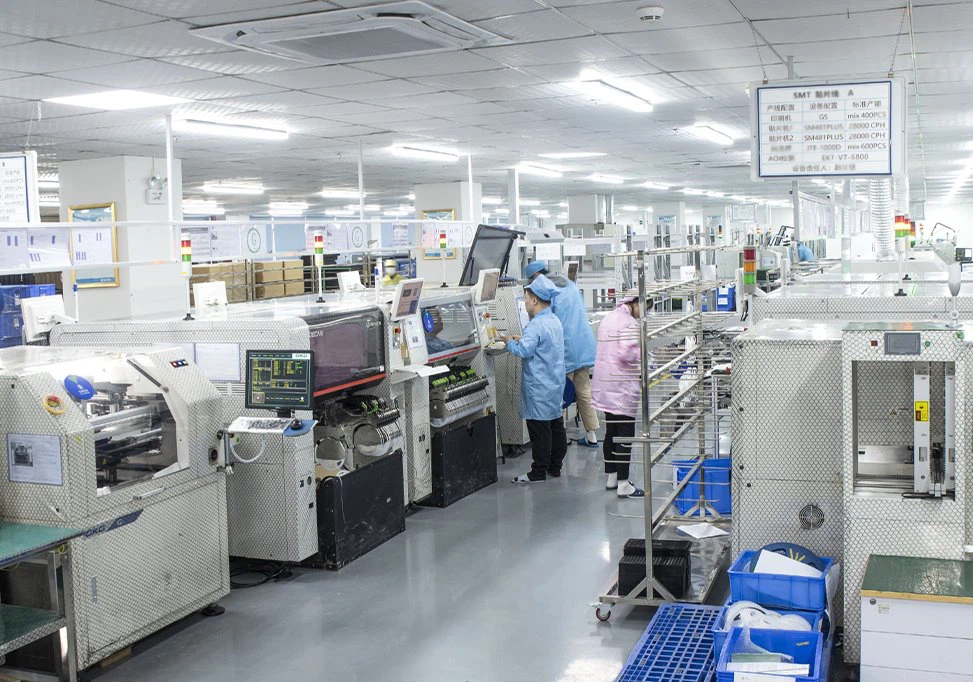
Production Facilities & Quality Control Operations

Our integrated manufacturing facilities feature advanced cleanrooms and testing labs designed to ensure compliance with strict international medical device standards. The following visual showcase highlights our production environments, testing machinery, and assembly lines:

Localized Application Scenarios in Equatorial Guinea

Successful clinical outcomes require adapting implant choices to the unique demographic and clinical needs of the region. In Equatorial Guinea, orthopedic teams address a wide range of degenerative and traumatic joint conditions under distinct operational constraints:

1. Advanced Osteoarthritis Management in Aging Populations

With life expectancy increasing, age-related knee joint degradation has become a significant clinical concern in urban centers like Malabo. Implementing high-wear-resistant UHMWPE liners coupled with highly polished titanium femoral components minimizes joint friction, ensuring that patients can regain mobility and maintain independence for 15-20 years post-surgery.

2. Post-Traumatic Reconstruction in Industrial and Construction Hubs

Given the active petrochemical and infrastructure sectors in Bata and the island regions, high-energy trauma cases affecting the knee are relatively common. Surgeons require versatile, modular revision knee systems that allow for intraoperative customization to address significant bone loss and ligamentous instability resulting from severe injuries.

3. Addressing Post-Infectious Joint Degeneration

In tropical climates, joint infections can lead to rapid cartilage destruction and secondary osteoarthritis. Deploying non-cemented implants with advanced bioactive surface coatings helps promote rapid integration with healthy bone tissue, improving success rates in patients recovering from joint infections.

Future Trends in Arthroplasty and Global Sourcing Standards

1. Robotic-Assisted Surgery Integration

Modern surgical suites are increasingly incorporating robotic guidance systems to improve implant alignment accuracy. Sourcing components that are compatible with computer-assisted surgery (CAS) and robotic platforms is crucial for hospitals looking to modernize their orthopedic capabilities.

2. Trabecular Metal and 3D Printed Customization

Standard sizing cannot address all anatomical variations. The industry is moving toward custom 3D-printed implants designed from patient CT scans, offering a precise anatomical fit that reduces operating times and improves post-operative joint kinematics.

3. Streamlined Logistics and Cold Chain Security

Ensuring that sterile packaging remains intact from the manufacturing plant to the hospital in Equatorial Guinea is vital. Advanced packaging techniques using double-barrier sterile bags and impact-resistant outer cases help safeguard implants during long-distance transit.

Procurement Strategy for Equatorial Guinean Distributors

When importing surgical components, ensure that manufacturers provide comprehensive documentation, including material mill test certificates, sterilization validation reports (SAL 10^-6), and regulatory registration certificates (CE and ISO). Having this documentation ready helps streamline import clearances at the ports of Malabo and Bata.

Frequently Asked Questions (FAQ)

1. What materials are used in your Total Knee Replacement (TKR) implants?
Our knee joint implants are manufactured using medical-grade Titanium Alloy (Ti6Al4V) for the femoral and tibial components, coupled with Ultra-High-Molecular-Weight Polyethylene (UHMWPE) for the articular insert, ensuring biocompatibility and wear resistance.
2. Are the surgical instruments included with the implants?
Yes, we provide matching surgical instrument kits (TKA/TKR primary systems) for precise implant placement. These instrument sets can be ordered along with the implants to ensure system compatibility.
3. What international certifications do your orthopedic devices hold?
Our manufacturing processes comply with ISO 13485 standards. Depending on the product line, our implants hold CE certification and conform to relevant international biomedical standards.
4. What is the typical delivery timeline to Equatorial Guinea (Bata or Malabo)?
Standard orders are typically processed and shipped within 15-30 days from our manufacturing facility. Delivery times to Equatorial Guinea vary depending on the shipping method chosen (air freight or sea freight).
5. Can you accommodate customized sizing for specific clinical cases?
Yes, we offer custom manufacturing services, including 3D-printed options for complex cases, based on 3D CT scan data provided by the clinical team.
6. How is packaging integrity maintained during transit to Africa?
Implants are double-packaged in protective sterile blister packs and outer cartons designed to withstand temperature and humidity variations, helping maintain sterility throughout the transit process.
7. Do you provide training or technical support for orthopedic surgeons in Equatorial Guinea?
We offer comprehensive technical documentation, detailed surgical guides, and video tutorials. For large hospital installations, we can also organize remote training sessions for surgical and nursing teams.
8. What is your minimum order quantity (MOQ) for international procurement contracts?
MOQs depend on the product type. For standard knee joint implants, we offer flexible ordering options for hospital networks and distributors. Please contact our sales team to discuss your specific requirements.

Extended Medical Portfolio & Surgical Solutions

High-Precision Devices & Orthopedic Fixation Systems

UHMWPE Liner Exchange Total Hip Arthroplasty

UHMWPE Revision Liner for Total Arthroplasty, Certified for Equatorial Guinea Health Network

View Details
Non Cemented Total Hip Replacement

Non-Cemented Titanium Hip Joint Replacement System for Equatorial Guinea Orthopedic Orthopedists

View Details
Veterinary Orthopedic Multi-Axial Locking Set

Veterinary Orthopedic Multi-Axial Locking TPLO Kit for Central African Veterinary Clinics

View Details
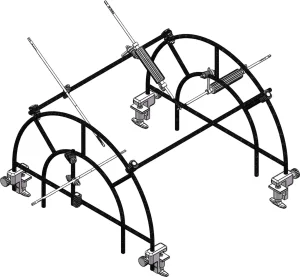
Orthopedic Pelvic External Fixator

Pelvic External Fixator Surgical Device for Equatorial Guinea Trauma Centers

View Details
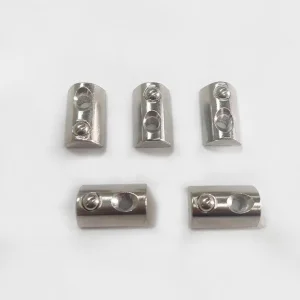
Marble Nut System

Nickel-Plated Industrial Fixation Systems for Equatorial Guinea Processing Plants

View Details
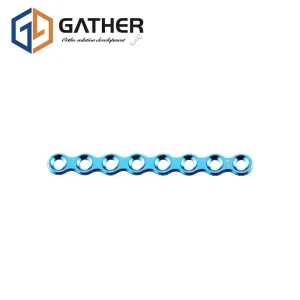
Maxillofacial Mini Arc Plate

Maxillofacial Mini Arc Plate Surgical Implants for Reconstruction in Malabo Hospitals

View Details
Veterinary Mini External Fixator

Mini External Fixator for Avian and Exotic Animal Care in Equatorial Guinea

View Details
Zinc Plated Rail Fastening System

Zinc-Plated Heavy-Duty Rail Fastening Assemblies for West African Transport Infrastructure

View Details

Ready to Establish a Reliable Sourcing Agreement?

Get in touch with our team of orthopedic manufacturing specialists to request technical catalogs, sample components, or a customized pricing proposal.

Send Inquiry Now